World’s most isolated tribes and their habitats


 Photo courtesy: © Christian Caron – Creative Commons A-NC-SA Photo courtesy: © Christian Caron – Creative Commons A-NC-SA |
01
World’s most isolated tribes and their habitats
Nomadic tribes in the world and their beautiful culture
In this age of global connectivity, it's essential to recognize that many Indigenous groups still live in isolation, actively avoid contact with the outside world, and often resist it vehemently. If reports are to go by, more than 100 uncontacted tribes exist till date, and the actual number could be higher. These communities are highly secluded, preferring isolation to protect their lands, cultures, and lives. Despite this, external interference remains a persistent threat.
Here are some of the world’s most isolated tribes that you need to know.
Read more: Nomadic tribes in the world and their beautiful culture
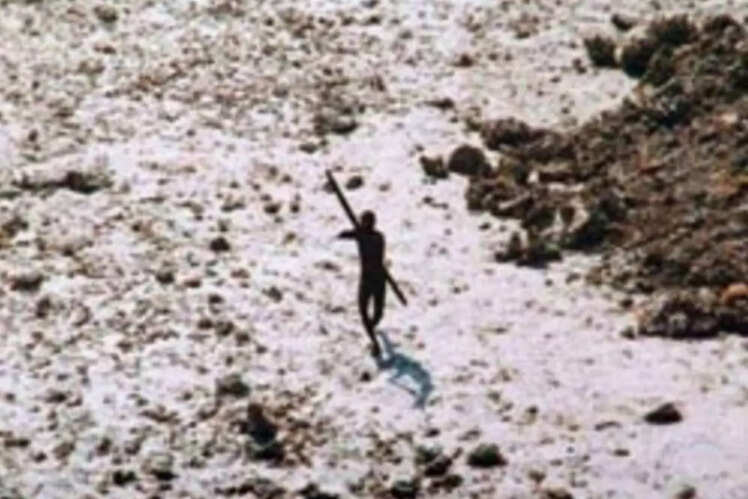 Photo courtesy: https://www.survivalinternational.org/tribes/sentinelese Photo courtesy: https://www.survivalinternational.org/tribes/sentinelese |
02
Sentinelese, India
Often dubbed as the world's most isolated community, the Sentinelese are also known as highly reclusive inhabitants because of their violent resistance to outsiders. These people, commonly referred to as the Sentinelese or North Sentinel Islanders, remain a linguistic enigma, with an unknown native language even to related Andaman tribes on nearby islands.
As per the estimates, their population today might stand at 50 to 200, and they sustain themselves through hunting and gathering, using canoes for fishing, and opting for other traditional hunting methods. The island garnered global attention in 2018 when an American missionary, who illegally visited, was killed by the tribe.
 |
03
Yaifo and more, Papua New Guinea
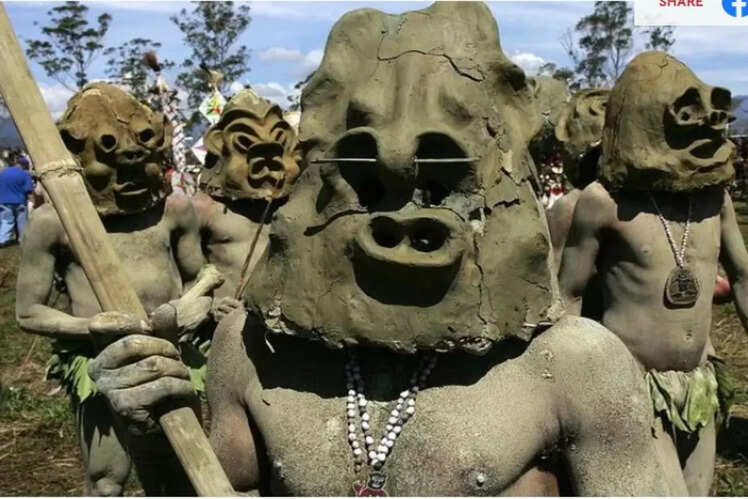
As per the records, there can be as many as 40 uncontacted tribes in Papua New Guinea. These tribes mostly follow hunter-gatherer lifestyles, and are sometimes associated with practices like headhunting and cannibalism. Their contact with the outside world is almost zero or very limited. For example, the Yaifo tribe that generally avoids contact with the outsiders, until one British explorer managed to contact them, who went missing during an expedition. He was fine.
Then, there is the Korowai tribe that not merely remained uncontacted, but were totally unknown to Western anthropologists for centuries, and was first encountered in the 1970s.
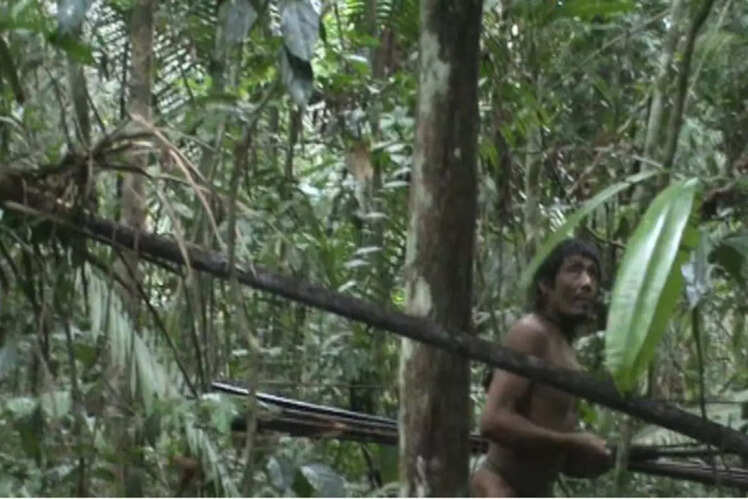 Photo courtesy: https://www.survivalinternational.org/articles/3394-kawahiva Photo courtesy: https://www.survivalinternational.org/articles/3394-kawahiva |
04
Kawahiva, Brazil
Also known as the ‘short people’ or the ‘red head people’ by nearby tribes, Kawahiva people have probably been compelled to adopt a nomadic way of life in the recent decades due to deforestation in the Amazon rainforest of Brazil. Apart from this, there is very little information available about them, also because they never had peaceful interactions with outsiders. They sustain themselves through hunting, gathering, and constructing intricate ladders to reach trees for honey collection. If latest reports are to go by, the Kawahiva likely have a population of no more than 30 individuals.
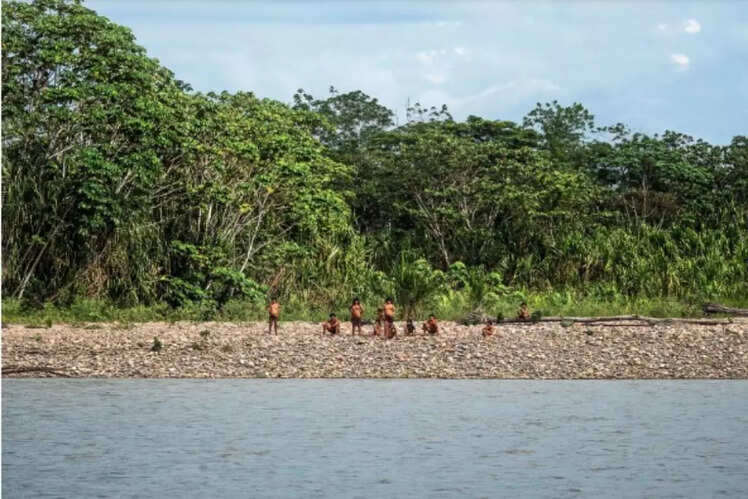 Photo courtesy: Photograph by Aaron Vincent Elkaim for The New Yorker Photo courtesy: Photograph by Aaron Vincent Elkaim for The New Yorker |
05
Mashco Piro, Peru
If reports are to go by, there are around 15 uncontacted tribes in Peru, including the Mashco Piro, all of whom face the looming dangers of advancing oil and logging industries. It’s reported that the Mashco Piro have usually maintained a distance from outsiders, but have been more visible in recent times due to displacement. Traditionally, they rely on hunting and gathering turtle eggs for sustenance, with the government estimating their population to be less than 800 individuals.
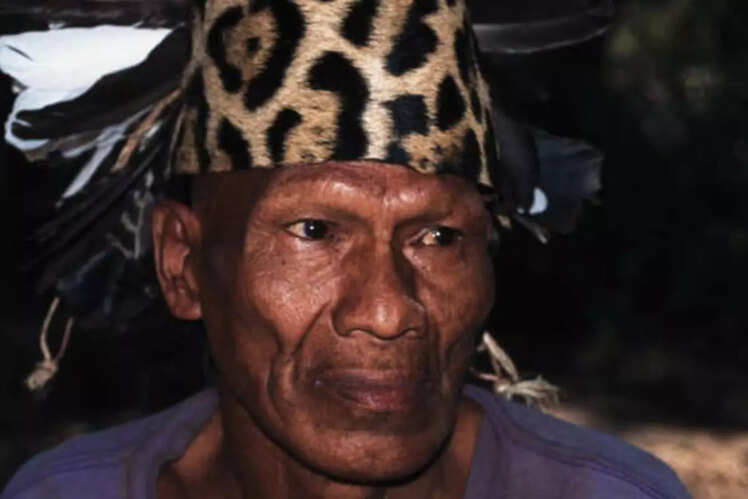 Photo courtesy: https://www.survivalinternational.org/tribes/ayoreo Photo courtesy: https://www.survivalinternational.org/tribes/ayoreo |
06
Ayoreo, Paraguay
Ayoreo people live in isolation within the Chaco, South America's largest forest outside of the Amazon, who could probably be the last uncontacted indigenous group on the continent, apart from those within the Amazon basin. These people have encountered bulldozers, which they describe as ‘beasts with metal skin,’ and have both resisted and fled as loggers cleared the forest they considered their home. Now, an unspecified number of Ayoreo people continue to live nomadically in the forest.
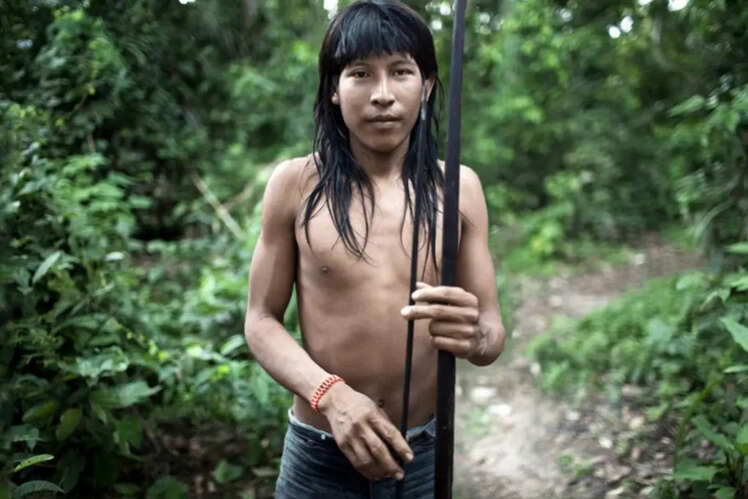 Photo courtesy: https://www.survivalinternational.org/ Photo courtesy: https://www.survivalinternational.org/ |
07
Awa, Brazil
Known as the most endangered tribe on the planet, if records are to go by, there are approximately 100 out of the Awá's estimated 600 members that still maintain a nomadic lifestyle within the Amazon rainforest along the Brazil-Peru border. Reports further suggest that they face nearly constant dangers from wildfire and illegal logging. This dire situation has prompted another tribe, the Guajajara, to take action as ‘Forest Guardians’ in order to protect them.
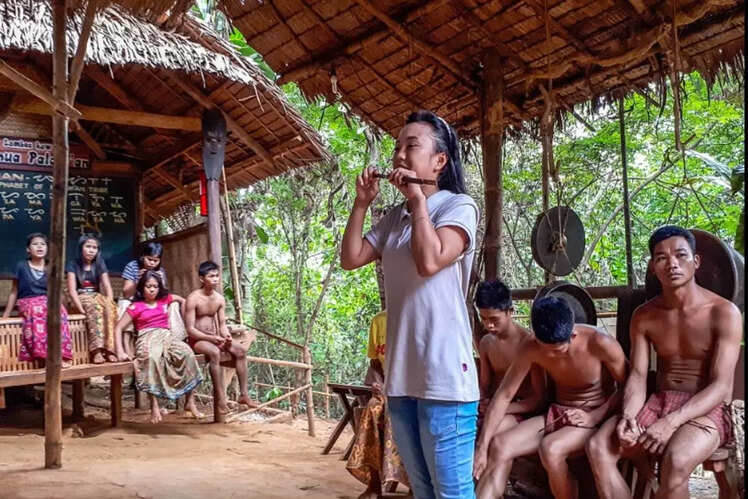 Photo courtesy: https://www.survivalinternational.org/ Photo courtesy: https://www.survivalinternational.org/ |
08
Palawan, Philippines
If reports are to go by, the southern regions of Palawan Island in the Philippines serve as home to approximately 40,000 Palawan people . It must be noted that those in the interior remain isolated with limited outside contact. They practice shifting cultivation, allowing the forest to rejuvenate as they move their farms, but have been facing threats from strip and open-pit mining in the recent years.
Visual Stories
Right arrow
Travel
10 pretty Indian villages to visit this year-end

Travel
8 castles in Germany straight out of a fairy-tale
Travel
8 tiger reserves every wildlife enthusiast should visit in India
Travel
10 animals that are easily spotted in Ranthambore National Park
Travel
How to prepare for a night safari in India?

Travel
9 rare animals to spot in the Western Ghats and where to find them

Travel
10 must-visit Indian cities starting with the letter ‘V’
Travel
From tigers to caracals: Top destinations in Rajasthan to spot big cats
Travel
10 things to know before going on a tiger safari in Tadoba-Andheri Tiger Reserve

Travel
8 deadliest snakes that live in the forests of Amazon
Join Us On FacebookClose

closecomments

Be the first one to review.
We have sent you a verification email. To verify, just follow the link in the message
Trending Stories
Indian Railways launches first Bharat Gaurav Tourist train to Nepal: Route, fare, itinerary and what travellers should know
From Sapera to Irulas: Famous snake tribes of India and why they fascinate travellers from the world over
6 incredible animals that are found only in India, and where tourists can see them
Russian traveller, now settled in India, shares 12 things that surprise her the most in this country
This remote village in Russia wakes up to “Hare Krishna”; how Indian travellers can reach here
7 countries where Indians can enjoy island vacations; all under INR 80,000!
48°C and counting: What India’s brutal heatwave is doing to summer travel plans
5 snake parks in India where travellers can spot rare and venomous species and how to reach them
All deer species in India, and national parks where visitors can spot them
Last chance! 5 tiger safaris to experience in India before the wildlife season ends in June



Comments (0)