What makes Ajanta and Ellora Caves an architectural gem?


 Credit: iStock Credit: iStock |
01
What makes Ajanta and Ellora Caves an architectural gem?
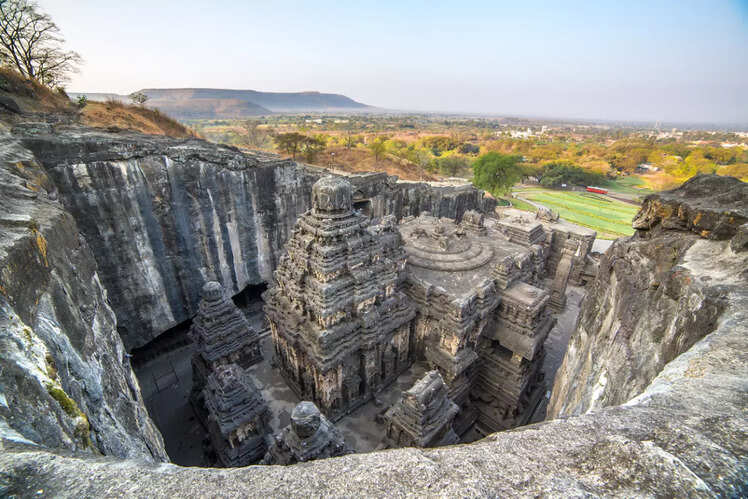
Ajanta and Ellora Caves come to mind when we think of places that fill us with wonder. The Ajanta and Ellora Caves, located in Aurangabad, Maharashtra, are beyond impressive, thanks to their exceptional rock-cut architecture, intricate sculptures, and historical importance. We often speak of Ajanta and Ellora Caves together, but there’s a distance of approximately 100 km between the two. Distance aside, there are a ton of similarities between the two cave complexes and they never fail to amaze us.
These two caves, also UNESCO World Heritage Sites, offer a remarkable window into ancient India's artistic and spiritual past. If only rocks could talk, they would tell us stories we now only imagine.
Here are some of the most fascinating things about these caves.
 Credit: iStock Credit: iStock |
02
UNESCO heritage site
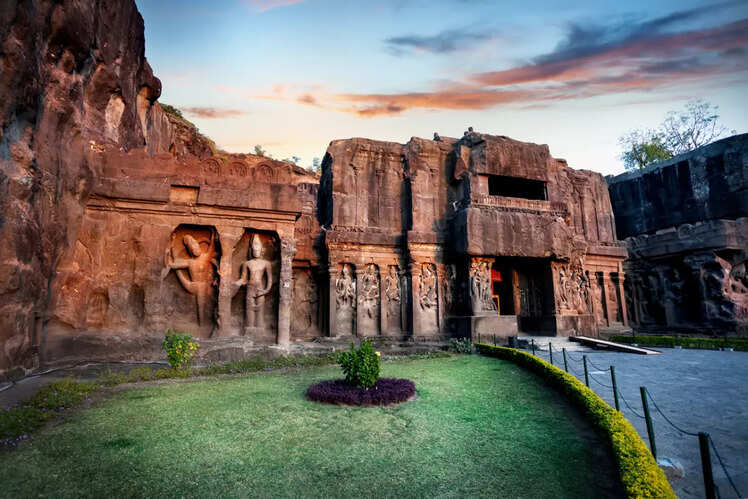
Both Ajanta and Ellora cave complexes were designated as UNESCO World Heritage Sites in 1983. It’s their historical, artistic, and religious significance that has led to this recognition. These caves are some of the best examples of India's rich cultural and artistic heritage.
 Credit: iStock Credit: iStock |
03
Caves’ origins
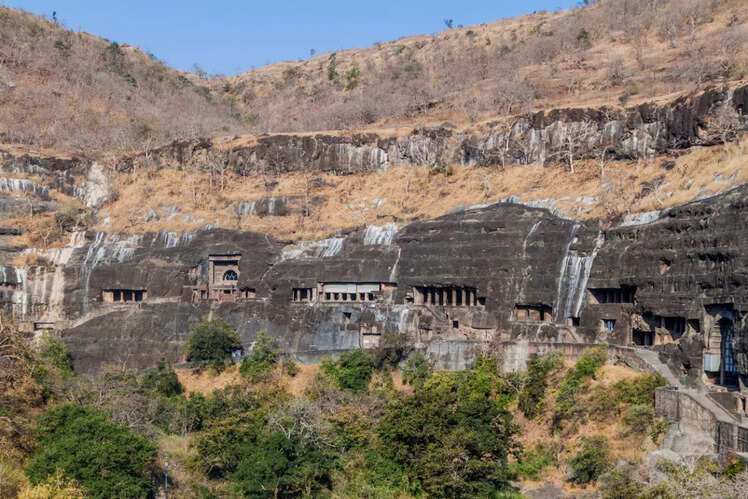
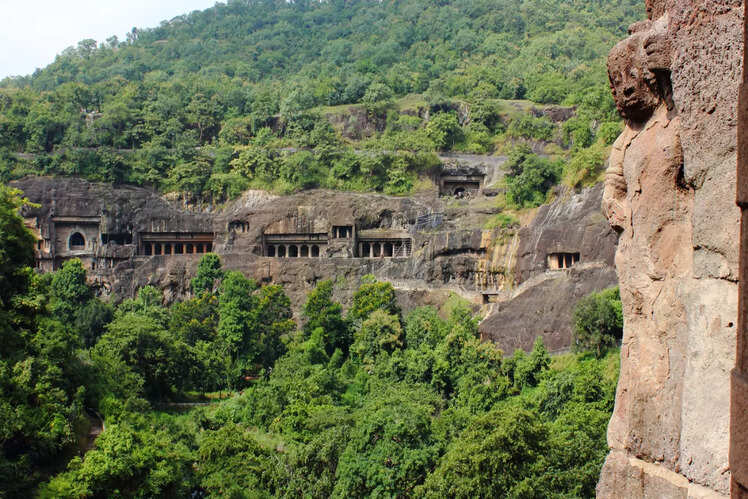
Did you know that Ajanta Caves are older than Ellora Caves? Ajanta Caves date back to the 2nd century BCE and were used as Buddhist monastic complexes. Ellora Caves, date back to the 6th to 10th centuries CE, and include Buddhist, Hindu, and Jain structures.
 Credit: iStock Credit: iStock |
04
Rock-cut wonders
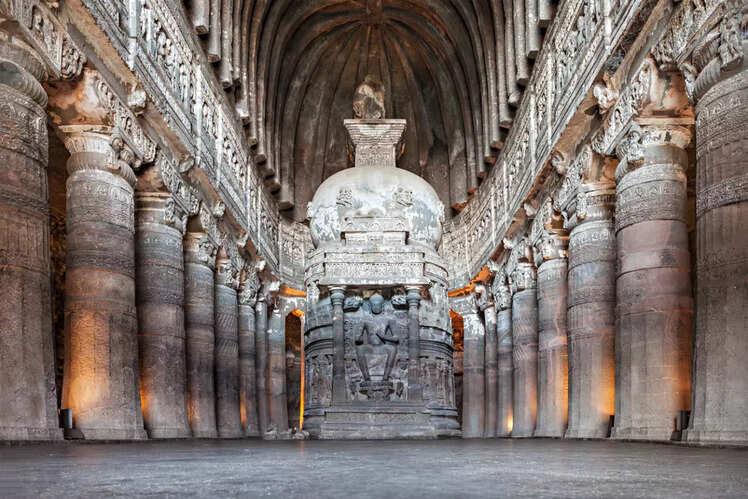
These caves are carved into the rock faces, exhibiting incredible craftsmanship. Both cave complexes consist of intricately carved caves. The sculptures are elaborate and the frescoes impressive.
 Credit: iStock Credit: iStock |
05
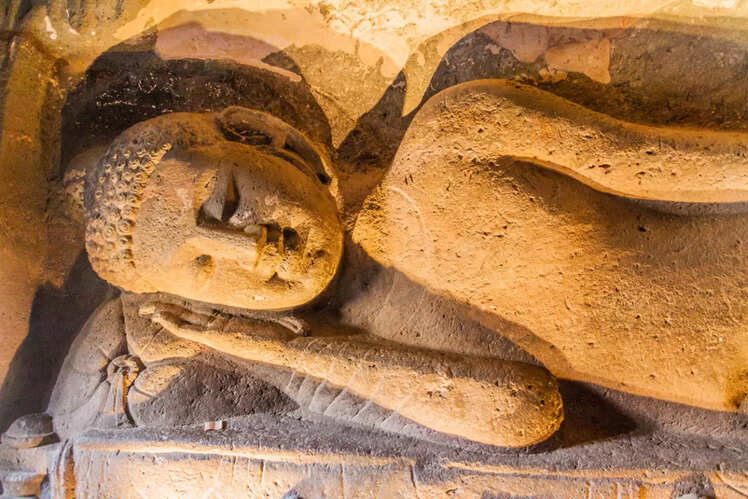
Buddhist influence in Ajanta
Did you know that most of the paintings inside Ajanta Caves predominantly narrate Jataka Tales? Truly fascinating. Look carefully and you will find scenes that depict the life of Buddha.
 Credit: iStock Credit: iStock |
06
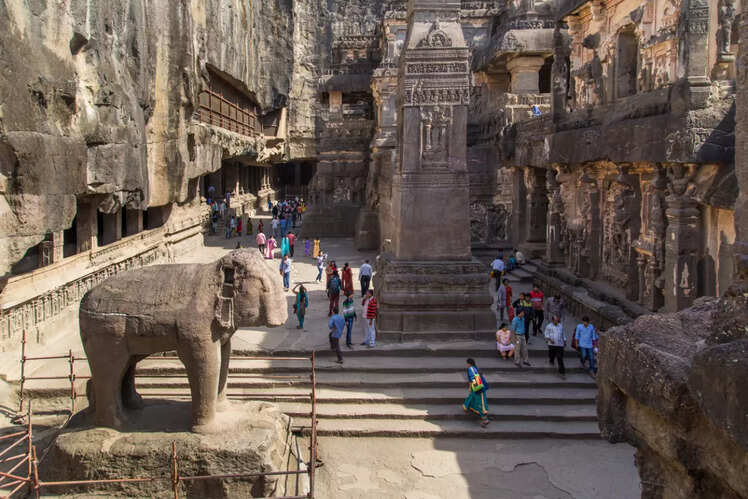
Ellora's multi religious side
While Ajanta is predominantly Buddhist, Ellora is more of a multi religious site. The complex includes Hindu, Buddhist, and Jain temples, showcasing India's religious harmony.
 Credit: iStock Credit: iStock |
07
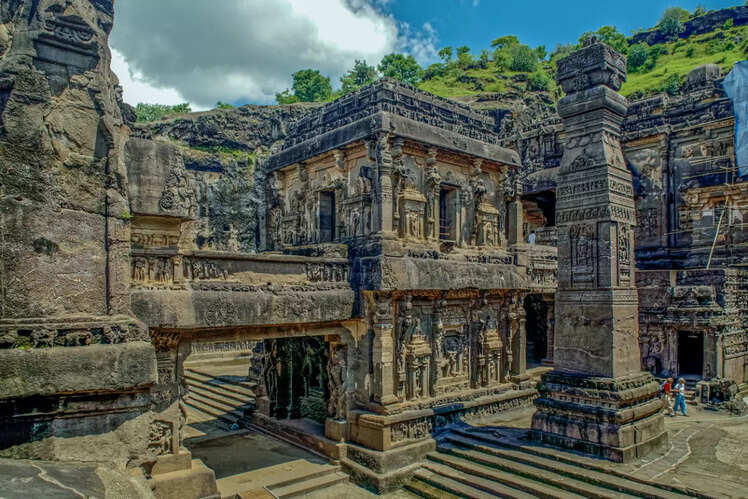
Ellora’s Kailash Temple
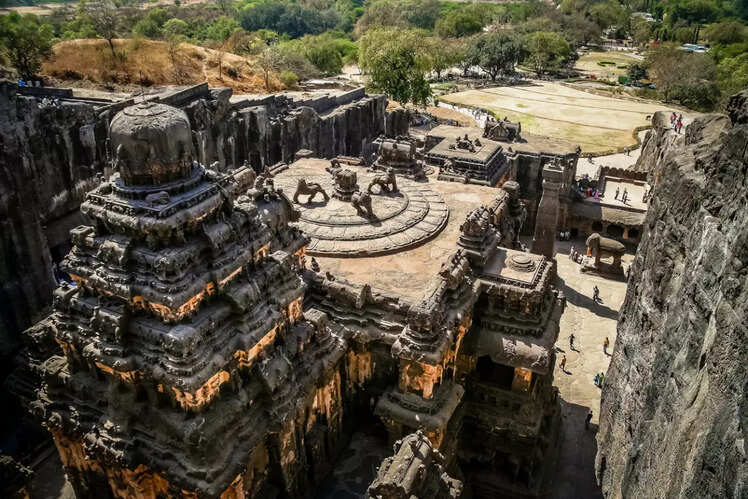
The Kailash Temple in Ellora is an architectural marvel. It is one of the largest monolithic structures in the world. The structure is carved vertically from a single rock, with intricate detailing that will leave you stunned. Contrary to popular beliefs, it took only 18 years to carve out the temple, not 100 years.
 Credit: iStock Credit: iStock |
08
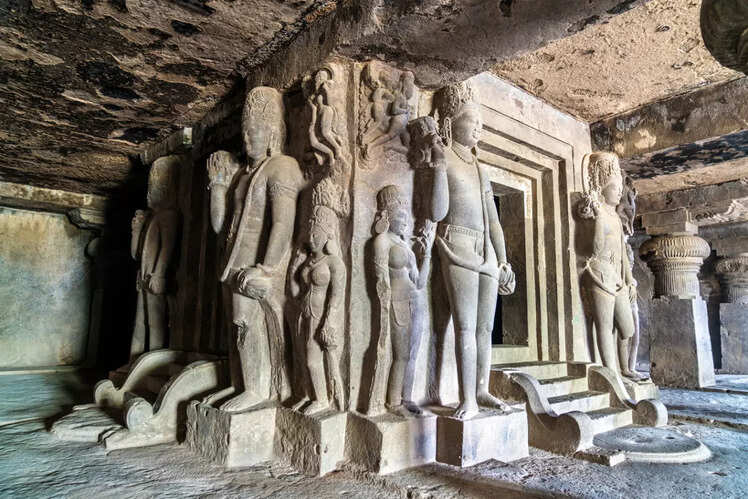
Expert craftsmanship
The caves are adorned with sculptures that reflect the spiritual beliefs of the time. The sculptures range from depictions of deities, celestial beings, and mythological scenes to portraits of royalty and everyday life.
Also read: Rock-cut wonders of Badami Caves
 Credit: iStock Credit: iStock |
09
Caves as monasteries
Ajanta's caves provided living quarters for Buddhist monks. The caves consisted of cells for meditation, assembly halls for discussions, and stupas for rituals.
 Credit: iStock Credit: iStock |
10
Preservation of the heritage sites
With time, the caves also faced natural decay and weathering. Add to that, human activities. Tremendous efforts have gone into conservation of the delicate murals, sculptures, and structures.
Visual Stories
Right arrow
Travel
10 pretty Indian villages to visit this year-end

Travel
8 castles in Germany straight out of a fairy-tale

Travel
8 tiger reserves every wildlife enthusiast should visit in India
Travel
10 animals that are easily spotted in Ranthambore National Park
Travel
How to prepare for a night safari in India?

Travel
9 rare animals to spot in the Western Ghats and where to find them

Travel
10 must-visit Indian cities starting with the letter ‘V’

Travel
From tigers to caracals: Top destinations in Rajasthan to spot big cats

Travel
10 things to know before going on a tiger safari in Tadoba-Andheri Tiger Reserve

Travel
8 deadliest snakes that live in the forests of Amazon
Join Us On FacebookClose

closecomments

Be the first one to review.
We have sent you a verification email. To verify, just follow the link in the message
Trending Stories
Flying abroad with medicines? What travellers need to know before packing prescription drugs
From women-only night beach to floating walkway: What can travellers expect from Dubai's brand new tourist attraction?
Oldest fires in the world that are still burning, and why they deserve to be on your travel-wishlist
What's it like to visit 10 most economically stable countries in the world right now? What's India's rank
Travel warning across these Indian states as IMD forecasts storms, hail and heat wave conditions
10 best UNESCO spa towns of Europe where people visit for wellness and healing
Kolkata Police issues traffic advisory ahead of historic oath ceremony at Brigade Parade Ground; what travellers need to know
4 most hostile natural places on Earth — and why tourists still visit them
8 most uniquely designed passports in the world
She kept screaming, “I am not tied well”; teen tourist dies in a cliff swing accident in China sparking outrage over adventure tourism safety



Comments (0)