Journey through time: Exploring prominent historical landmarks in India


 Credit: iStock Credit: iStock |
01
Journey through time: Exploring prominent historical landmarks in India
India is a nation steeped in history! The country boasts some historical landmarks that are living examples to its glorious past. From the ancient architectural marvels to the remnants of the colonial era, these historical landmarks take us through a journey through time.
Here, we get into some prominent landmarks that showcase India's cultural beauty.
 Credit: iStock Credit: iStock |
02
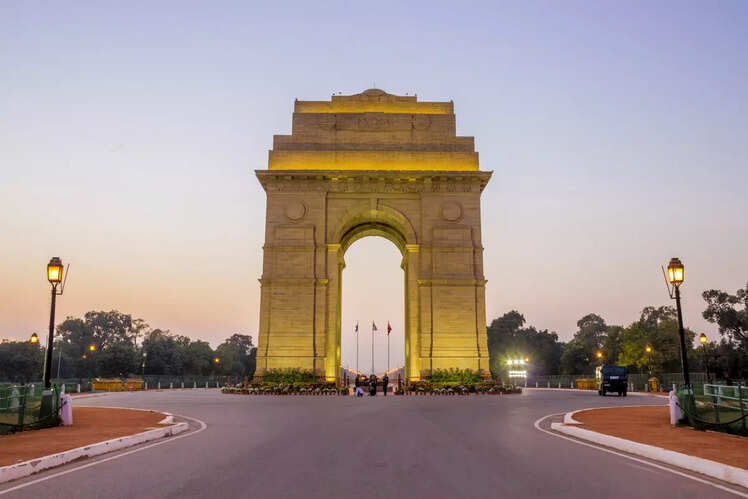
India Gate, Delhi
A tribute to the soldiers who sacrificed their lives in World War I, India Gate is an iconic war memorial. Designed by Sir Edwin Lutyens, this arch stands at the heart of New Delhi, representing the Eternal Flame and the Amar Jawan Jyoti (Flame of the Immortal Soldier).
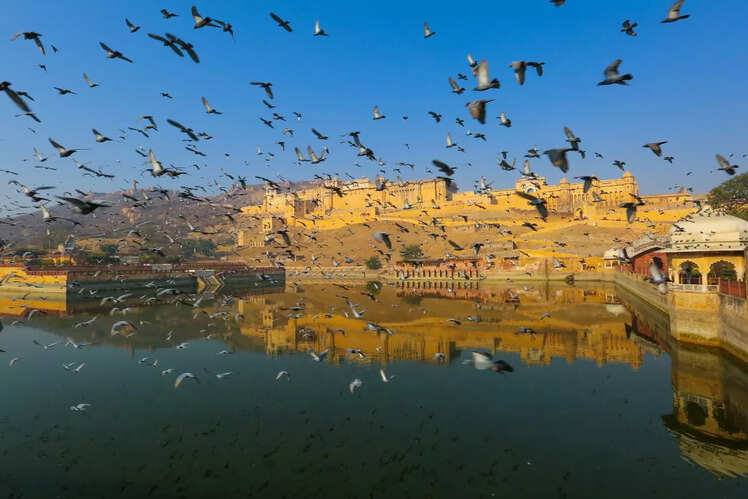 Photo courtesy: Canva Photo courtesy: Canva |
03
Amer Fort, Jaipur
Amer Fort is one of the most beautiful examples of Rajput architecture. The grand fort boasts intricate frescoes, mirror work, and a series of courtyards. The Sheesh Mahal (Hall of Mirrors) is a highlight, showcasing the craftsmanship of the artisans.
 Credit: iStock Credit: iStock |
04
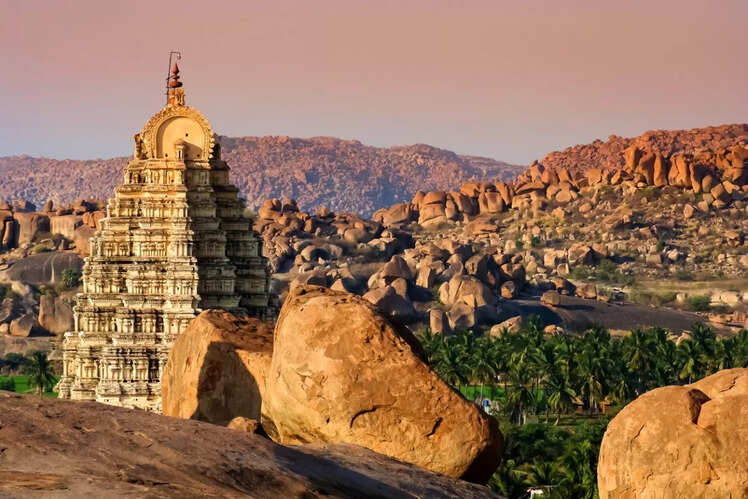
Hampi, Karnataka
Hampi used to be the capital of the Vijayanagara Empire. This sprawling archaeological site is dotted with magical ruins. The Virupaksha Temple, the Stone Chariot, and the Vitthala Temple are among the many architectural wonders of this UNESCO World Heritage Site.
 Credit: iStock Credit: iStock |
05
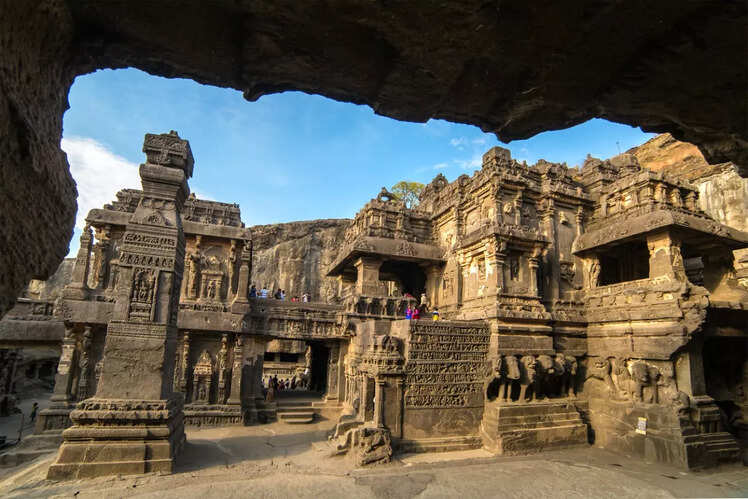
Ajanta-Ellora Caves, Maharashtra
Ajanta and Ellora are a treasure trove of ancient rock-cut caves. These UNESCO World Heritage Sites showcase the beauty of Indian art and sculpture. Carved out over several centuries, these caves depict religious and secular themes, providing a glimpse into the rich cultural tapestry of ancient India.
 Credit: iStock Credit: iStock |
06
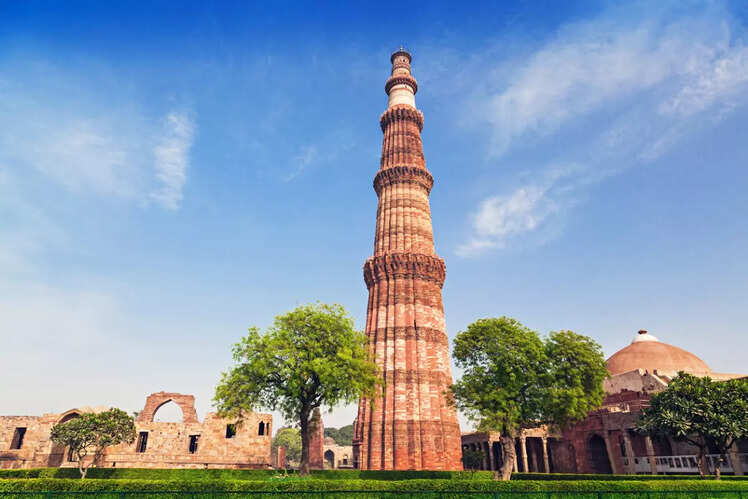
Qutub Minar
Qutub Minar is the tallest brick minaret in the world built by Qutub-ud-din Aibak in the 12th century. This UNESCO World Heritage Site boasts intricate carvings and verses from the Quran. The Qutub Minar reflects the fusion of Indo-Islamic architecture.
 Credit: iStock Credit: iStock |
07
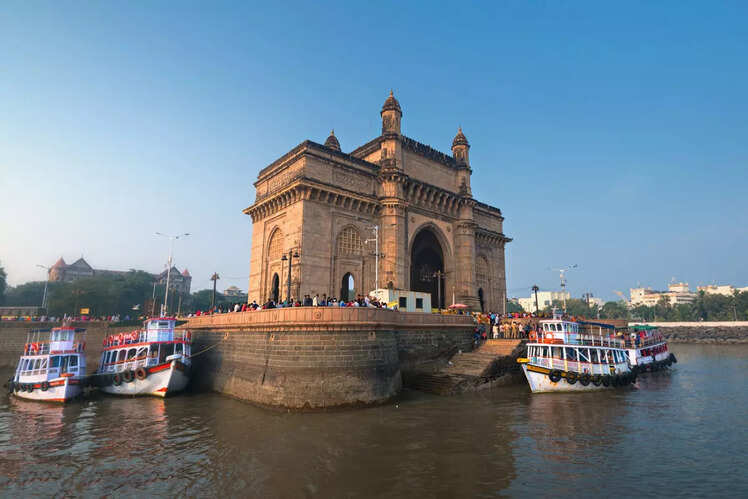
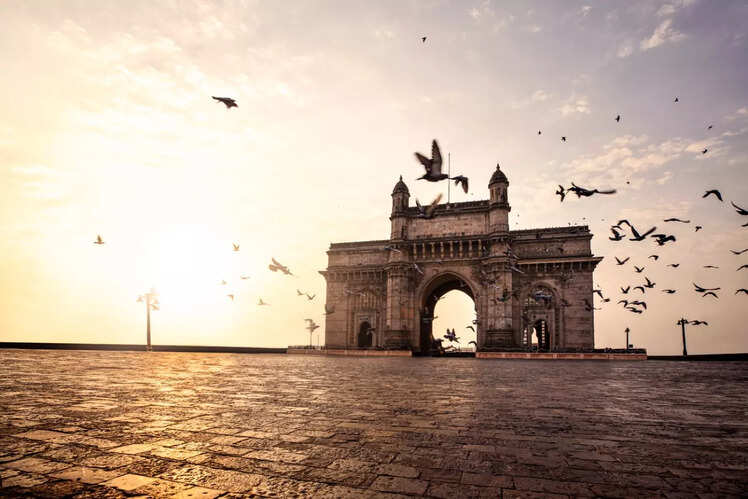
Gateway of India, Mumbai
The Gateway of India is an iconic monument that commemorates the visit of King George V and Queen Mary in 1911. Built in Indo-Saracenic style, this grand beauty has witnessed numerous historical events, from the departure of British troops to the arrival of India's last British regiment.
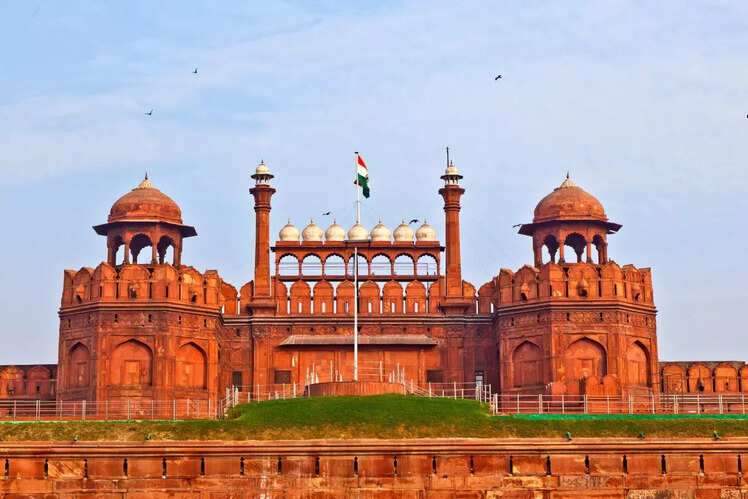 Photo courtesy: Canva Photo courtesy: Canva |
08
Red Fort, Delhi
The Red Fort is a grand fortress that served as the main residence of Mughal emperors for nearly 200 years. The fort is a living symbol of India's struggle for freedom. It has witnessed the unfurling of the Indian tricolor on Independence Day since 1947, marking its significance in modern history.
 Credit: iStock Credit: iStock |
09
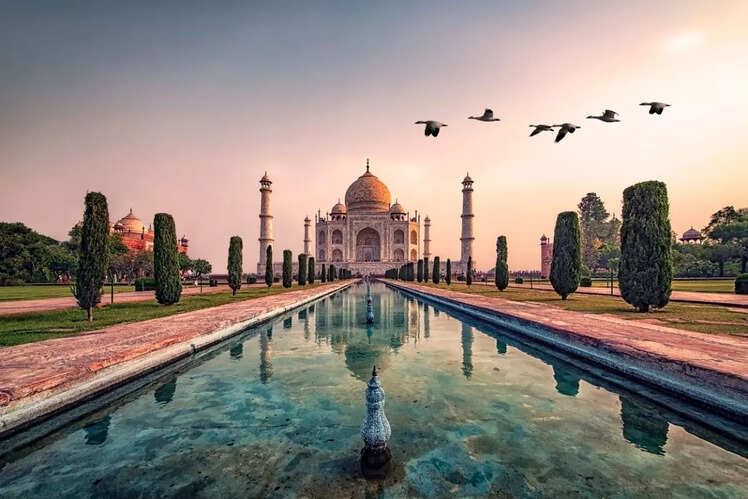
Taj Mahal, Agra
The white marble beauty of Indian architecture, the Taj Mahal is a timeless symbol of love. Commissioned by Emperor Shah Jahan in memory of his beloved wife Mumtaz Mahal, this mausoleum is a UNESCO World Heritage Site and one of the Seven Wonders of the World.
Visual Stories
Right arrow
Travel
10 pretty Indian villages to visit this year-end

Travel
8 castles in Germany straight out of a fairy-tale

Travel
8 tiger reserves every wildlife enthusiast should visit in India

Travel
10 animals that are easily spotted in Ranthambore National Park

Travel
How to prepare for a night safari in India?

Travel
9 rare animals to spot in the Western Ghats and where to find them
Travel
10 must-visit Indian cities starting with the letter ‘V’

Travel
From tigers to caracals: Top destinations in Rajasthan to spot big cats

Travel
10 things to know before going on a tiger safari in Tadoba-Andheri Tiger Reserve

Travel
8 deadliest snakes that live in the forests of Amazon
Join Us On FacebookClose

closecomments

Be the first one to review.
We have sent you a verification email. To verify, just follow the link in the message
Trending Stories
Travel warning across these Indian states as IMD forecasts storms, hail and heat wave conditions
10 best UNESCO spa towns of Europe where people visit for wellness and healing
Kolkata Police issues traffic advisory ahead of historic oath ceremony at Brigade Parade Ground; what travellers need to know
4 most hostile natural places on Earth — and why tourists still visit them
8 most uniquely designed passports in the world
She kept screaming, “I am not tied well”; teen tourist dies in a cliff swing accident in China sparking outrage over adventure tourism safety
Power Bank blast in Indian flight: Why it happens and why these devices can become dangerous onboard
10 weakest passports in the world in 2026; what limited visa-free access means for travellers
IMD issues rain and heat wave warnings across India: Travel advisory for tourists and holidaymakers
If caught with this one item when in the United States, tourists could face a fine of USD 100,000 and prison sentence



Comments (0)