The giant stone coins of Yap
The giant stone coins of Yap
You're Reading


Synopsis
The island of Yap in the Pacific Ocean is one of the four states that make up the independent sovereign island nation of Micronesia. Covering an area of about 100 sq km, these islands are home to about 12,000 people. The island of … Read more
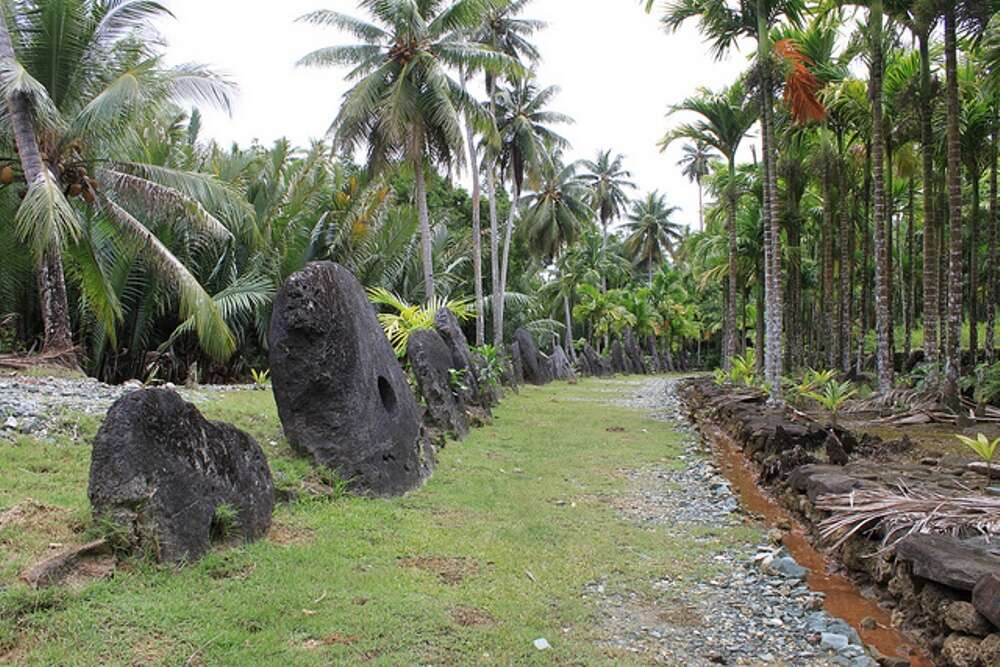
The island of Yap in the Pacific Ocean is one of the four states that make up the independent sovereign island nation of Micronesia. Covering an area of about 100 sq km, these islands are home to about 12,000 people. The island of Yap has no precious material like gold or silver. Instead, they use giant disks of limestone called Rai as currency for trade.
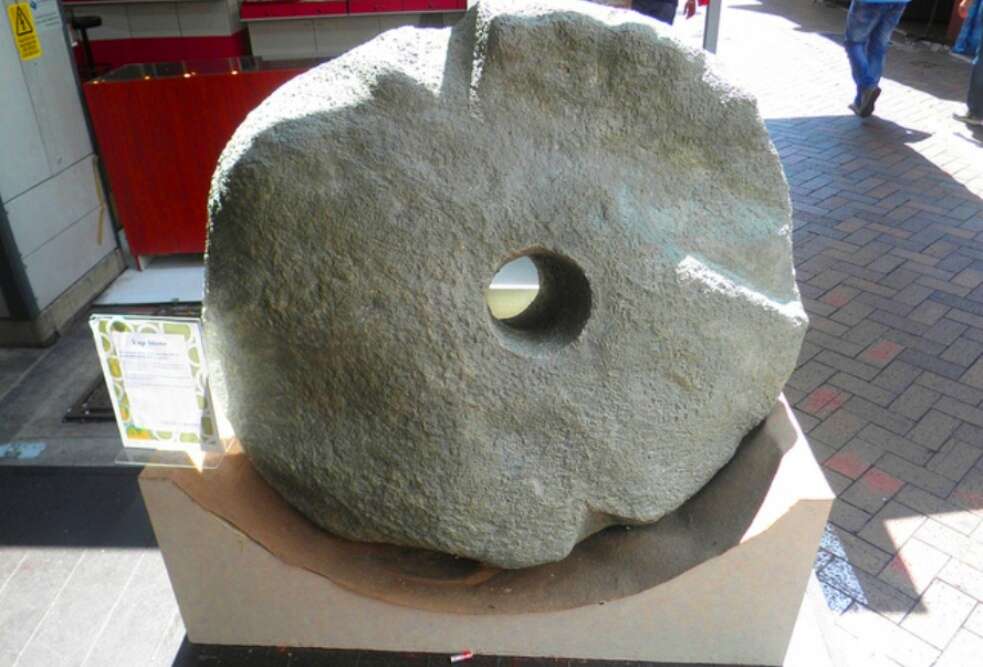
Rai stones are large circular disks with a hole in the centre, like a doughnut, and stand as high as 12 feet and weigh as much as 5 tonnes each. Some of these stones are so large that they aren’t physically moved at all. They are simply owned, like immovable assets, and their transaction or ownership is recorded in oral history. The physical location of the Rai is not important, the ownership is. In one instance, a large Rai was being transported by canoe when it accidentally dropped and sank to the sea floor. Although it was never seen again, everyone agreed that the Rai must still be there, so it continued to be transacted as genuine currency. When moving a Rai is necessary, a strong pole is passed through the hole and carried by men to the required destination. Smaller Rai stones measure 7-8cm in diameter and are far easier to transact.


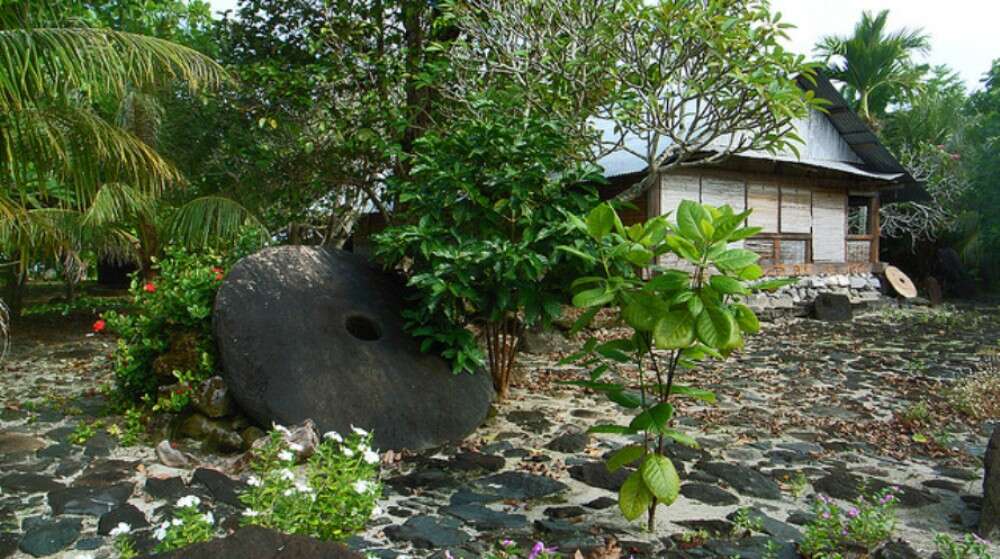
The limestone was originally carved from quarries in the island of Palau, located about 400km away. Limestone was non-existent in Yap and therefore valuable to the Yapese. The perceived value of a specific stone is based on its size and craftsmanship—the larger the stone, the higher its value. The amount of time and effort it took to transport the stone affected its value. At times, the men transporting the Rai stones would die during the journey. This loss of life increased the value of the stone depending on how many men were lost and for which particular Rai stone.
The trade for Rai stones eventually fell in disuse in the beginning of the 20th century due to trade disputes between Spanish and German interests in the area. When imperial Japanese forces took over Yap during World War II, many stones were used for construction or as anchor.
Although modern currency has replaced the stones as everyday currency, the Rai stones are still exchanged in traditional ways between the Yapese, especially in rare important social transactions such as marriage, inheritance, political deal or sign of an alliance.

closecomments

Be the first one to review.
We have sent you a verification email. To verify, just follow the link in the message
end of article

Visual Stories

10 pretty Indian villages to visit this year-end

8 castles in Germany straight out of a fairy-tale

8 tiger reserves every wildlife enthusiast should visit in India

10 animals that are easily spotted in Ranthambore National Park

How to prepare for a night safari in India?

9 rare animals to spot in the Western Ghats and where to find them



Trending Stories
Siberia’s mysterious Indian village: Temples, bhajans, traditions - travellers can’t believe what they found at -40°C
Watch: Shocking video of a travel influencer washing underwear in a hotel coffee machine; 5 things in a hotel that can be dirtier than we think
What’s inside the deep, natural water slides of Snake Canyon in Oman; decoding the mystery
How old is the world's largest tree? 5 facts that inspire travellers to see it
IMD forecasts monsoon rain in these south Indian states, and severe heat in north: What travellers need to know




Comments (0)