6 most uninhabitable places on Earth and why


 Credit: iStock Credit: iStock |
01
6 most uninhabitable places on Earth and why
Inhabitable places are defined by their extreme environmental conditions, making them extremely challenging for human settlement. From scorching deserts to frigid polar regions, here are six of the world's most inhospitable places and the reasons behind their non livability.
 Credit: iStock Credit: iStock |
02
Death Valley, California, USA
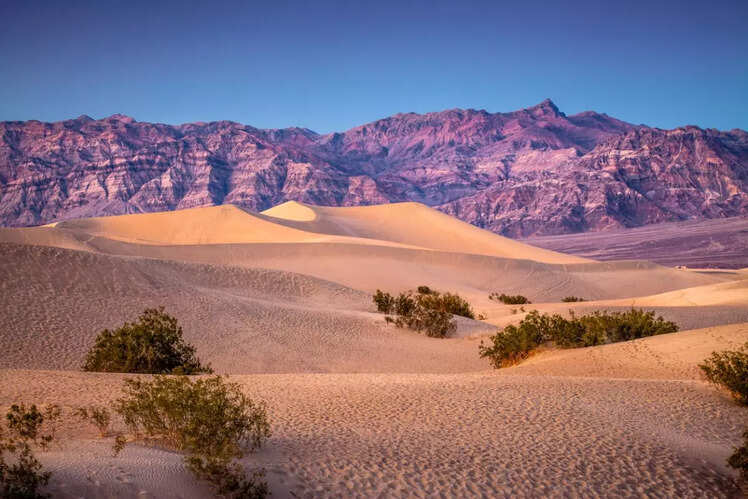
Death Valley is one of the hottest places on Earth, with temperatures often exceeding 120°F (49°C) in summer. This desert region, located in California's Mojave Desert, is known for its dry conditions and lack of water sources. The valley’s extreme heat, combined with its arid climate and high evaporation rates, makes it a harsh environment for both humans and wildlife. The region's sparse vegetation and limited access to resources further contribute to its inhospitable nature.
 Credit: iStock Credit: iStock |
03
Antarctica
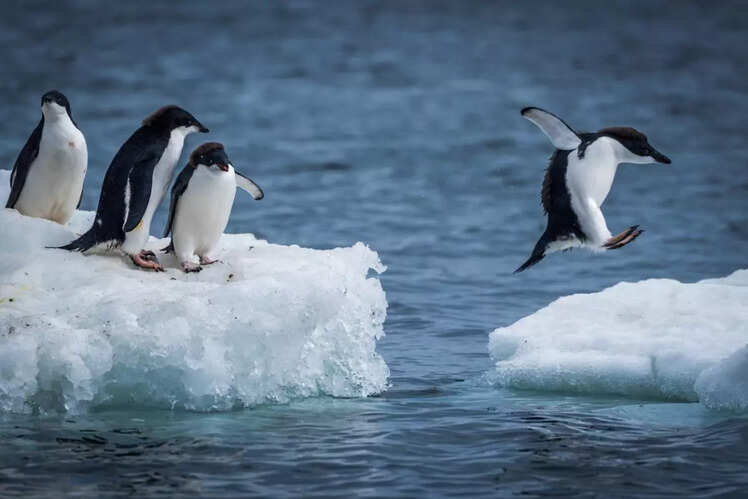
Antarctica, the coldest continent on Earth, presents a formidable challenge for habitation due to its extreme temperatures and icy conditions. Winter temperatures in Antarctica can plunge below -100°F (-73°C), and even in summer, temperatures remain well below freezing. The continent is also plagued by high winds and snowstorms. Its remote location and lack of infrastructure make living conditions particularly difficult. Despite being home to research stations, the harsh climate and isolation keep permanent human settlement at bay.
 Credit: iStock Credit: iStock |
04
Dallol, Ethiopia
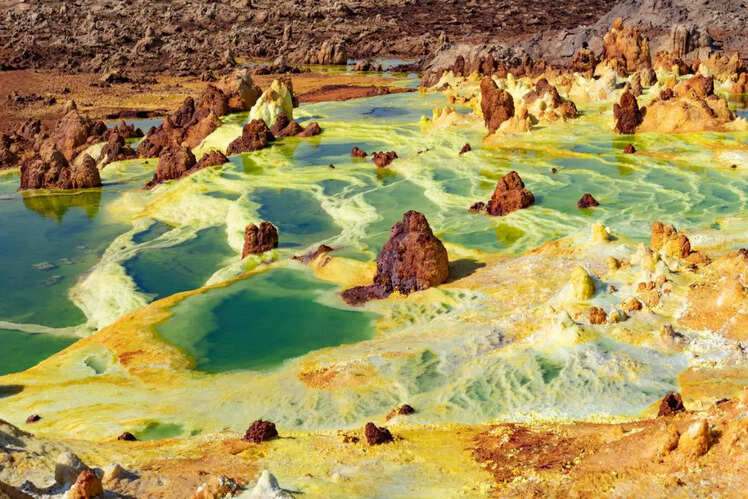
Dallol is one of the hottest places on Earth, with average annual temperatures exceeding 94°F (34°C). The region is also known for its highly acidic springs and volcanic activity. The combination of intense heat, toxic gasses, and sulfuric acid makes Dallol extremely inhospitable. The area's geothermal features and harsh environmental conditions create a landscape that is both visually striking and challenging for human survival.
 Credit: iStock Credit: iStock |
05
Atacama Desert, Chile
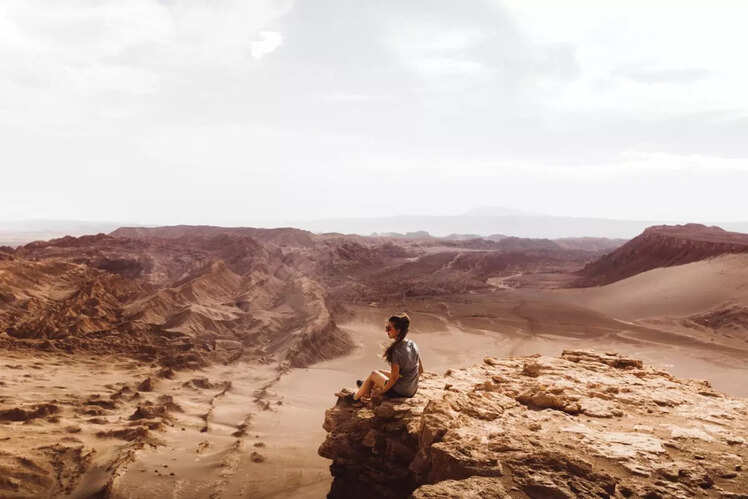
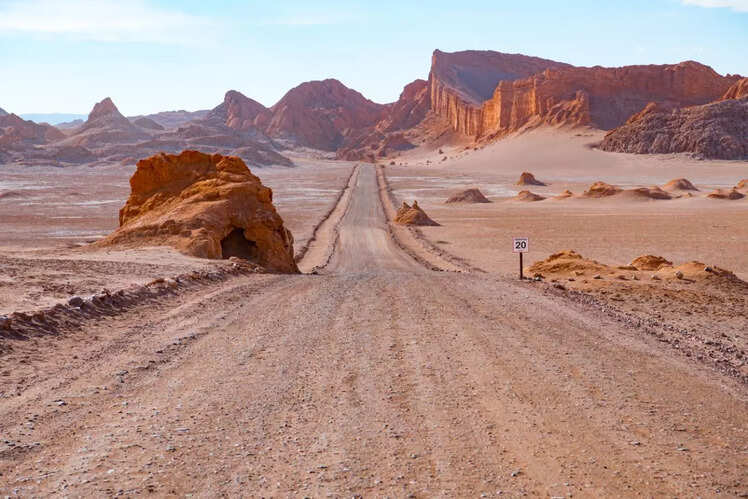
The Atacama Desert is one of the driest places on the planet, with some regions receiving less than 0.04 inches (1 mm) of rainfall per year. The desert's extreme dryness, combined with high altitudes and temperature fluctuations, makes it a harsh environment for human habitation. Despite its striking beauty and unique landscapes, the Atacama’s lack of water and limited resources pose significant challenges for long-term settlement.
 Credit: iStock Credit: iStock |
06
Lut Desert, Iran
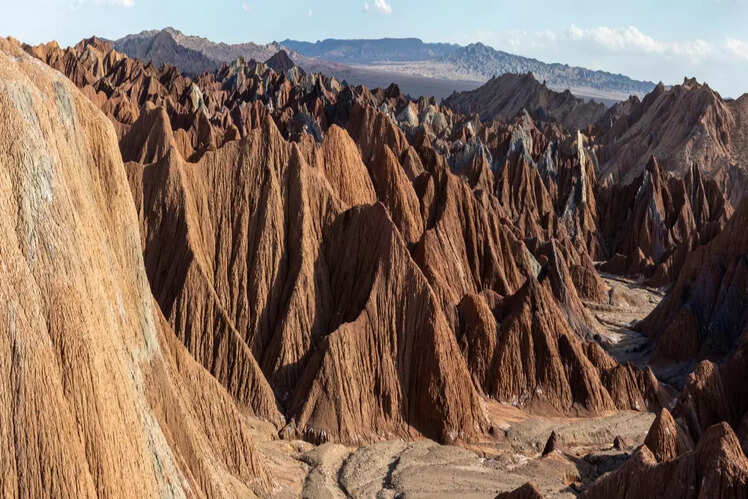
The Lut Desert, or Dasht-e Lut, is known for having some of the highest ground temperatures recorded on Earth. In this Iranian desert, surface temperatures have been measured as high as 159°F (70.7°C). The Lut Desert's extreme heat, coupled with its arid conditions and vast stretches of sand, makes it one of the most inhospitable places globally. The region’s lack of water and vegetation further exacerbates the challenges of surviving in such a harsh environment.
 Credit: iStock Credit: iStock |
07
Norilsk, Russia
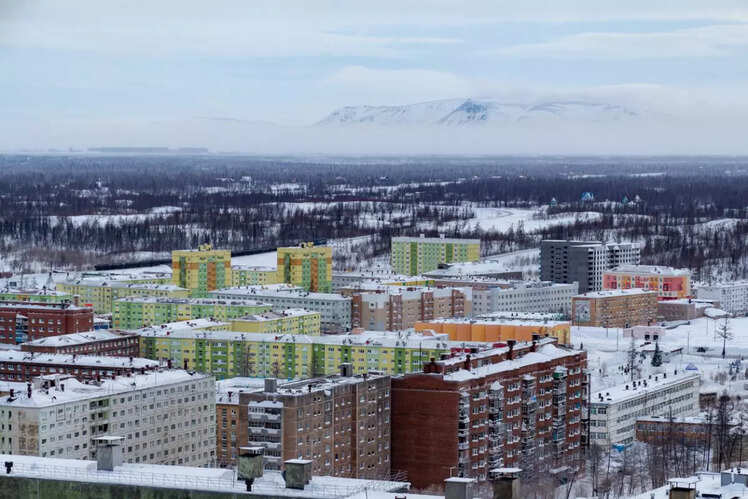
Norilsk is one of the northernmost cities in the world, situated above the Arctic Circle in Siberia. The city experiences long, harsh winters with temperatures often plunging below -30°F (-34°C). Norilsk is also known for its extreme air pollution due to the nearby nickel and copper mining operations. The city's remoteness, combined with its severe cold and industrial pollution, makes it a challenging place to live. Despite the harsh conditions, Norilsk is home to thousands of residents who work in the mining industry.
Visual Stories
Right arrow
Travel
10 pretty Indian villages to visit this year-end

Travel
8 castles in Germany straight out of a fairy-tale
Travel
8 tiger reserves every wildlife enthusiast should visit in India
Travel
10 animals that are easily spotted in Ranthambore National Park
Travel
How to prepare for a night safari in India?

Travel
9 rare animals to spot in the Western Ghats and where to find them
Travel
10 must-visit Indian cities starting with the letter ‘V’
Travel
From tigers to caracals: Top destinations in Rajasthan to spot big cats
Travel
10 things to know before going on a tiger safari in Tadoba-Andheri Tiger Reserve

Travel
8 deadliest snakes that live in the forests of Amazon
Join Us On FacebookClose

closecomments

Be the first one to review.
We have sent you a verification email. To verify, just follow the link in the message
Trending Stories
Hantavirus Alert: India’s Union Health Ministry activates precautionary surveillance; what travellers need to know
Flying abroad with medicines? What travellers need to know before packing prescription drugs
From women-only night beach to floating walkway: What can travellers expect from Dubai's brand new tourist attraction?
Oldest fires in the world that are still burning, and why they deserve to be on your travel-wishlist
What's it like to visit 10 most economically stable countries in the world right now? What's India's rank
Travel warning across these Indian states as IMD forecasts storms, hail and heat wave conditions
10 best UNESCO spa towns of Europe where people visit for wellness and healing
Kolkata Police issues traffic advisory ahead of historic oath ceremony at Brigade Parade Ground; what travellers need to know
4 most hostile natural places on Earth — and why tourists still visit them
8 most uniquely designed passports in the world



Comments (0)