
- News
- Sports News
- Cricket News
- Five penalty runs! ICC introduces stop clock, new rules for Test cricket in 2025-27 WTC cycle
Trending
Five penalty runs! ICC introduces stop clock, new rules for Test cricket in 2025-27 WTC cycle
The International Cricket Council introduces a fresh set of regulations for Test cricket. These changes include a stop clock system to combat slow over-rates. A new rule allows the fielding team to choose the striker after a deliberate short run. These rules are part of the 2025-27 World Test Championship.
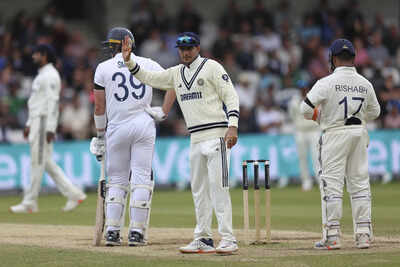
India's captain Shubman Gill (AP Photo/Scott Heppell)
Poll
Should the ICC allow teams to change the ball if saliva is applied?

About the Author
TOI Sports DeskEnd of Article
Follow Us On Social Media










Top Sports News
Top Trending
Explore Every Corner
Across The Globe
Ryan NembhardNBA Draft 2025WWE Night of Champions 2025Dylan Harper ParentsZohran MamdaniAntonio BrownIsrael Iran newsNFL MVP 2025Austrian F1 Grand Prix 2025Cristiano RonaldoPatrick MahomesSachin TendulkarNHL Trade RumorChelsea GreenChris RobinsonShubhanshu ShuklaKhaman MaluachAlijah BermanCasey BrownHDB IPOAntonio BrownUsman KhawajaCam NewtonElijah BermanDwyane Wades WifePM Shehbaz SharifMuharram 2025Astronaut Shubhanshu ShuklaJeff Bezos weddingCBSE Class 10 Board Exam
Hot on the Web
Jagannath Rath Yatra WishesMike FremontPriya Sachdev KapurBlood PressureSonakshi SinhaLiver HealthPanchayat 4 ReviewStomach Cancer SymptomsLargest CrocodilesSitaare Zameen Par ReviewKannappa Twitter ReviewAbhinav ShuklaIbrahim QadriBaba Vanga PredictionsPuri Rath Yatra 2025F1 Movie Twitter ReviewR MadhavanFlight Booking HacksKuberaa Box Office CollectionGoldfish TypesWorld Largest SnakesArchana Puran SinghSitaare Zameen Par Box Office CollectionSunjay KapurHeart Health ExercisePanchayat Actors FeesAishwarya SharmaUS Embassy New RulesMost Haunted Sites IndiaSports HerniaHigh Blood SugarBest Romantic AnimeBelly FatBlack Mamba FightCancer ResearchSimpson PredictionBad Breath CausesMicrosoft Sued By AuthorsBumble LayoffsGauranga DasCastor Oil BenefitsGinger Health Benefits
Trending Topics
CBSE New Exam Pattern ExplainedCSIR UGC NET RegistrationCBSE Biannual ExamYashasvi JaiswalMagnus CarlsenR AshwinGautam GambhirSanjiv GoenkaStuart BroadHarshit RanaCollin MurrayWho is Yang HansenHarvansh SinghRavindra JadejaTommy DevitoPrithvi ShawCBSE Supplementary Timetable 2025Operation SindoorElon MuskChris RobinsonTanpreet Kaur StabbedRickea JacksonKL RahulNHL Trade RumorsIND vs ENGPV SindhuPPU Result Part 3Connor McdavidWho are Wayne Gretzky KidsAllahabad University BA Final ResultsAccenture RevenueSundar PichaiNYT Connections HintsWordle Today HintsElon MuskBill Gates DaughterBest Romantic AnimeRogers Mobile Network OutageWalmart CeoJeff Bezos WeddingMukesh AmbaniNarayana Murthy
Popular Categories
HeadlinesSports NewsBusiness NewsIndia NewsWorld NewsBollywood NewsHealth+ TipsIndian TV ShowsTechnologyTravelEtimesHealth & FitnessNFLIntel The Learning CurveIndia vs EnglandAstrologyWeather TodayPlatinum Rate TodaySilver Rate TodayGold Rate TodayDelhi AQI TodayJune Bank HolidaysPublic Holidays in JuneStock Market HolidaysNSE HolidaysBSE HolidaysTechnology NewsInternational SportsPublic HolidaysBank Holidays
Latest News
5 of the most dangerous ants in the worldMeet the unsung heroes: How local marshals are trained for Formula E races'Won trust with marriage promise': Australian PIO held for duping Pune woman of Rs 3.6cr; may have conned manyKareena Kapoor Khan says Taimur and Jeh are constantly irritated with her: 'They love it when Saif is there'Exclusive - When Saanand Verma realised ‘I Like It’ had become a household catchphraseMaria Harper stuns NBA fans with viral draft moment as Dylan Harper joins San Antonio SpursTaylor Swift’s surprise TEU performance stuns NFL stars—Mac Jones’ girlfriend Sophie Scott reacts, flaunts $3K Louis Vuitton bagAnuradha Paudwal calls AR Rahman 'rare': He nurtures everyone painstakingly; says he is like 'ek chotta innocent school ka bachcha'‘We take data security seriously’: Scale AI locks down sensitive files of Google, Meta and xAI that were reportedly made publicly accessibleVAO, assistant arrested for accepting bribe near Salem"What a night!": Kajol shares pictures from screening of her upcoming film 'MAA'"On the first day, we were both a little shy..." Konkona Sen Sharma talks about working with Pankaj Tripathi in 'Metro...In Dino'NASCAR driver Natalie Decker turns heads in stunning black bikini for 28th birthday bash"It's a very happy thing...", says Udit Narayan as IAF Group Captain Shubhanshu Shukla picks 'Yun Hi Chala Chal' song for Axiom 4 Mission launch dayIND vs ENG: Former India bowler slams Ravindra Jadeja - 'He bowled either too short or too fast, too full''US strikes caused significant physical damage but ... ': Iran's nuclear program wiped out? What nuclear watchdog chief said'American citizen only for 7 years': Republican Club calls for Zohran Mamdani's deportation, 'He isn't the mayor yet''BJP stooge': Mamata claims ECI covertly introducing NRC in Bengal; urges allies to 'build resistance'
Copyright © 2025 Bennett, Coleman & Co. Ltd. All rights reserved. For reprint rights: Times Syndication Service