
- News
- Science News
- Deep Ocean Mission: Indian aquanauts dive record 5,000 metres; milestone for undersea exploration
Deep Ocean Mission: Indian aquanauts dive record 5,000 metres; milestone for undersea exploration

India has achieved a significant milestone with its aquanauts successfully reaching depths exceeding 5,000 metres in the North Atlantic, marking progress in the Deep Ocean Mission. This follows closely after an Indian astronaut's visit to the International Space Station.
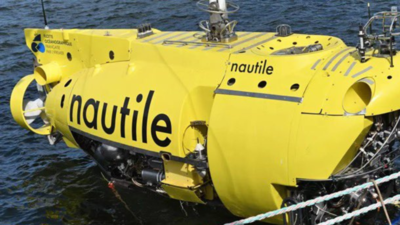
(Photo: X)
Poll
Which achievement do you think is more significant for India's scientific progress?
Matsya 6000

About the Author
TOI Science DeskEnd of Article
Follow Us On Social Media
Hot Picks
Top Trending
Explore Every Corner
Across The Globe
GST Rate CutNirmala SitharamanGST ReformsTaylor SwiftTom Brady SonTravis HunterDwyane Wade WifeGST on essentialsBryan HayesWayne GretzkyGST Rate Cut ListJosh AllenAntonio BrownTom BradyNIRF Rankings 2025SSC CGL ExamStephen CurryNew Tax SlabsSchool Closed TomorrowGST Rate Cut on CementAngel Reese Net WorthNIRF Hindu CollegeNIRF Top 10 UniversitiesGST on AutoUS Open 2025Teacher Day SpeechGST on Stock MarketNew GST SlabTeachers Day QuotesDelhi NCR Rains
Hot on the Web
FDA Ice Cream RecallHappy Teachers Day 2025Fruits For Kidney HealthDulquer SalmanAshish Kapoor Arrest NewsHigh Blood PressureChamomile TeaLiver DetoxSaiyaara OTT ReleasePremanand Ji MaharajHeart Attack PreventionChandra Grahan 2025Happy Teachers Day WishesKidney HealthLemon Water BenefitsKunickaa SadanandUric AcidTeacher's Day SpeechOffbeat Train StationsMonkey Vs ApesFood New GST RatesPumpkin Seeds BenefitsParam Sundari Box Office CollectionLokah Chapter 1: Chandra CollectionParam Sundari Movie ReviewKartik AaryanRaj KundraWar 2 Box Office CollectionCoolie Movie ReviewCoolie Box Office CollectionPlants That Flourish With Baking SodaHerbs For Vitamin CFatty LiverBest Time To Take Fish OilPancreatic SymptomsLunar Eclipse 2025Skin Problems Caused By DiabetesLow Vitamin D SignsHeart HealthBest Cooking Oil For Indian KitchenFastag Annual Pass
Trending Topics
Teachers Day 2025NCVT ITI ResultElla HemmingsSSC CGL Exam DateBrian SchottenheimerReese KetlerIIT MadrasTop Indian UniversitiesCBSE New PortalGiorgio Armani Passes AwayAmit MishraRPSC Grade 2 Admit CardCam ThomasDivya DeshmukhGST Rate CutsMCC NEET UG CounsellingJasprit BumrahAIBE 20 Exam DateWorld ChampionshipsDelhi NCR RainsUS Indian Students NewsYamuna Water LevelHardoi Missing HusbandPune RSV CasesArun GawliNagpur BlastAir India Flight Bird HitDelhi FloodsBihar Jail WeddingRPSC NewsArun GawliGST On Luxury CarsiPhone 17 ProTrump TariffsBaba Vanga PredictionsSteve JobsMark ZuckerbergWordle TodayLucy GuoGST On CarsElon MuskGST On Electronic Items
Popular Categories
HeadlinesSports NewsBusiness NewsIndia NewsWorld NewsBollywood NewsHealth+ TipsIndian TV ShowsTechnologyTravelEtimesHealth & FitnessDelhi Gold Rate TodayNumerology Number 1 HoroscopeChinese Horoscope PredictionsAstrologyWeather TodayPlatinum Rate TodaySilver Rate TodayGold Rate TodayIs Bank open todayIs Bank Open TomorrowBank Holidays in SeptemberPublic Holidays in SeptemberStock Market HolidaysFinancial CalculatorsTechnology NewsInternational SportsPublic HolidaysBank Holidays
Trending Videos
India's GST Big Reset Is Logical, Transparent, And Not About Trump Tariffs: Says Sanjeev SanyalSatellite Images Show Pakistan Begins Reconstruction At Nur Khan Air Base Damaged In Indian StrikesNeetu Kapoor pays touching tribute to Rishi Kapoor on his 73rd birth anniversaryNick Jonas loudly serenades Priyanka during her UV facial — her priceless reaction steals the showWe Reviewed U&i's Rs 599 Earbuds & Rs 949 SoundbarPrabhas lauds Anushka Shetty’s 'Ghaati' as 'intense, intriguing'Shraddha Kapoor celebrates Shakti's birthday with 'Hero No. 1' movie nightRamanand Sagar’s Son Prem Sagar Passes Away After IllnessSushmita Sen’s Heartfelt Birthday Wish For Daughter ReneeRasha Thadani’s 'Missing Tam' Post Melts Tamannaah Bhatia’s HeartSoon-to-Be Mom Parineeti Chopra Shares Joyful August MomentsIndia's Indo-Pacific Blitz: PM Modi, Singapore PM Wong Sign Major Pacts Amid Trump TariffsTrump’s ‘Hoax’ Claim Backfires; Epstein Survivors Demand In-Person MeetingManipur Peace Pact, Bengal Assembly Ruckus, US Open Thriller And MoreAlia Bhatt Sends Heartfelt Prayers Amid Punjab Flood TragedyMassive Chaos in Bengal Assembly: BJP and TMC Trade 'Chor' Jibes, Mamata Speech Triggers Ruckus‘You Are 4th Largest Economy’: Singapore PM Wong Hails India’s Growth, Signs Key Pacts With PM ModiKim Jong Un’s Secret Ritual Exposed After Meeting With Putin
Latest News
GST reforms 2025: Education stationery and maps now tax-free; here’s what parents and students should knowDuleep Trophy: Ruturaj Gaikwad returns with classy 178Vijay Varma posing with Majnu Bhai aka Anil Kapoor's iconic painting from 'Welcome' is the best thing on the internet todaySilver hallmarking: Govt rolls out voluntary system to check metal purity; check detailsIIT Patna climbs to 36th spot among higher education institutionsWoman gives birth to baby girl aboard Avadh-Assam ExpBigg Boss 19: Bigg Boss reprimands housemates for daytime napping, reminds them who’s in chargeCam Thomas signs a $6 million deal with the Brooklyn Nets for 1 year'Avatar: The Way of Water' rerelease - James Cameron directorial returns on October 2, ahead of 'Avatar: Fire & Ash'Section of Bihar Animal Sciences University campus likely to be inaugurated this month: Senior officialToo dark for Trump? US president can’t stomach his name on America’s most notorious lockup, once dubbed ‘in his honor’From 6-0, 6-0 humiliation to US Open semifinal: Amanda Anisimova's fearless fightbackDouble voter ID row: EC notice to Congress leader Pawan Khera's wife; told to reply by Sept 10Nepal bans X, Insta & FB: Action after SC order; 'non-compliance' cited as reasonPhiladelphia Eagles vs Dallas Cowboys: Start timings, when and where to watch, venue, and more5 birds that look just like penguins: Nature’s peculiar lookalikesPolice recover stolen non judicial stamp papers worth Rs 10 lakhRailways to run 10 pairs of festival special trains
Copyright © 2025 Bennett, Coleman & Co. Ltd. All rights reserved. For reprint rights: Times Syndication Service