
- News
- Science News
- Chucarosaurus diripienda: The dinosaur so massive it shattered roads and transformed how scientists study titanosaurs
Chucarosaurus diripienda: The dinosaur so massive it shattered roads and transformed how scientists study titanosaurs
A colossal titanosaur, Chucarosaurus diripienda, unearthed in Patagonia, measured 30 meters and weighed tens of tonnes. Its immense size even cracked a road during transport, highlighting its incredible bulk. This discovery offers new insights into how these giants evolved, moved, and survived, challenging previous notions of their agility and strength.
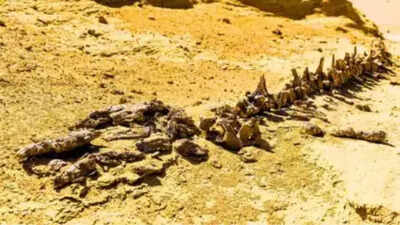
Source: The Daily Galaxy
Study reveals Chucarosaurus diripienda, a dinosaur 30 metres long
A name born from chaos and strength
Not the biggest, but one of the most fascinating
How Chucarosaurus reveals the secrets of titanosaur mobility and strength
Chucarosaurus diripienda highlights the scale and resilience of titanosaurs

About the AuthorTOI Science Desk
End of Article
Follow Us On Social Media

Hot Picks
Top Trending
Tired of too many ads?go ad free now
Trending Stories
In Section
Entire Website
- Cardi B and Stefon Diggs look so in love as they celebrate his birthday on Instagram
- MLB trade rumors: Chicago Cubs predicted to land $400 million Detroit Tiger Cy Young Winner in blockbuster deal
- While Drake Maye preps quietly for Giants, wife Ann’s viral gym photo brings unexpected buzz to Patriots fans
- Shedeur Sanders’ mom shows off proud mama style in unforgettable glam game-day look
- Donald Trump’s flashy golf moment with Wayne Gretzky fuels debate over his claimed 38 championships
- DRDO Recruitment 2025: CEPTAM 11 notfication expected soon at drdo.gov.in; check eligibility, exam pattern and how to apply online
- NEET PG 2026 releases important notice on nationality change for NRI candidates: Check details here
- LRD result 2025: Gujarat Lok Raksha Dal result out at gprb.gujarat.gov.in; check UPC, APC, Jail Sepoy, SRPF cutoff and other details here
- Vaibhav Suryavanshi creates history, blasts record-breaking SMAT century
- These Guys Deserve Better! Ex-selectors say Rohit Sharma and Virat Kohli must stop being put on trial
- Cardi B and Stefon Diggs look so in love as they celebrate his birthday on Instagram
- MLB trade rumors: Chicago Cubs predicted to land $400 million Detroit Tiger Cy Young Winner in blockbuster deal
- While Drake Maye preps quietly for Giants, wife Ann’s viral gym photo brings unexpected buzz to Patriots fans
- Shedeur Sanders’ mom shows off proud mama style in unforgettable glam game-day look
- Donald Trump’s flashy golf moment with Wayne Gretzky fuels debate over his claimed 38 championships
- DRDO Recruitment 2025: CEPTAM 11 notfication expected soon at drdo.gov.in; check eligibility, exam pattern and how to apply online
- NEET PG 2026 releases important notice on nationality change for NRI candidates: Check details here
- LRD result 2025: Gujarat Lok Raksha Dal result out at gprb.gujarat.gov.in; check UPC, APC, Jail Sepoy, SRPF cutoff and other details here
- Vaibhav Suryavanshi creates history, blasts record-breaking SMAT century
- These Guys Deserve Better! Ex-selectors say Rohit Sharma and Virat Kohli must stop being put on trial
Tired of too many ads?go ad free now



Explore Every Corner
Across The Globe
Mark DonovanLeon DraisaitlMadison BeerHockey Canada Sexual Assault ControversyAuston MatthewTemba BavumaVaibhav SuryavanshiMLB Trade RumorsShedeur SandersDrake MayeIND vs SA 2nd ODISaudi Russia VisaGianni Infantino Net WorthCyclone DitwahSunjay Kapoor Asset CaseLudhiana FiringCyclone Ditwah NewsIPL Auction Players ListCISF Tradesman Admit CardRic FlairIndigo Bomb ThreatLawrence BishnoiSanchar Saathi AppOICL AO Scale-I recruitmentMark AndrewsDonald TrumpNEET PG 2026Imran KhanHamza AlbarT20 World Cup Schedule
Hot on the Web
Kidney DamageNelson MandelaNelson Mandela QuotesRanveer SinghRice For SkinShhyamali DeSamantha Ruth Prabhu WeddingMorgan FreemanAttract Good LuckBlood PressureJapanese TechniquesTere Ishk Mein CollectionRed DrinksConstipation ReliefSamantha Ruth Prabhu MehendiSamantha Ruth PrabhuRaj NidimoruBlood Circulation In LegKidney DiseaseKidney HealthParentingGustaakh Ishq Box Office CollectionThe Family Man Season 3 ReviewBhagavad Gita LessonsRaj Nidimoru Net WorthTere Ishk Mein Movie ReviewNaga ChaitanyaType 2 Diabetes PreventionHema MaliniNelson MandelaElephant Safari National ParkOvernight Habits That Affect HealthLiver Failure Warning SignsCucumber Vs ZucchiniEarly Signs Of Mouth CancerLargest Ant In The WorldWarning Signs Of Kidney DamageColours That Attract SharksBenefits Of Boiling Sweet PotatoesFatty Liver SignsDrinks That Harm Your Kidney
Trending Topics
RMS CET Admit Card 2025RRB JE Recruitment 2025Anthony DavisAsmongoldBrandon Carlo InjuryNID DAT 2026 ApplicationPete HegsethCBSE Recruitment NotificationAnthony DavisAndrew TateRyan NembhardBryan RustStefon DiggsAmon Ra St Brown InjuryMilwaukee Bucks vs Washington WizardsIndia Post Parcel ThrownICSI CS ExecutiveIndigo Bomb ThreatSelena GomezSunjay Kapur Property RowCyclone DitwahCyclone Ditwah NewsT20 World CupNishant Agarwal ArrestedChennai Metro StoppedVibha DeviSambhal Headmaster Heart AttackMadhya Pradesh Bridge CollapseRohit SharmaMP AYUSH NEET UG counsellingTravis KelceBasketball Zero CodesMark CubanAndy JassyBill GatesNYT ConnectionsNyt StrandsThe Forge CodesElon MuskVivo X300Clear Gmail StorageAmar Subramanya
Popular Categories
HeadlinesSports NewsBusiness NewsIndia NewsWorld NewsBollywood NewsHealth+ TipsIndian TV ShowsTechnologyTravelEtimesHealth & FitnessDelhi Gold Rate TodayNumerology Number 1 HoroscopeChinese Horoscope PredictionsAstrologyWeather TodayPlatinum Rate TodaySilver Rate TodayGold Rate TodayIs Bank open todayIs Bank Open TomorrowBank Holidays in NovemberPublic Holidays in NovemberStock Market HolidaysNFL ScheduleTechnology NewsInternational SportsPublic HolidaysBank Holidays
Trending Videos
Ducati Launches Panigale V2 And V2 S In IndiaCentre Signals Willingness to Discuss SIR, Asks Opposition Not to Set TimelinePakistan's Adiala Jail To Open Gate To Imran Khan's Sister After PTI Fury Forces Sharif, MunirJaipur Headlines Today — The Biggest Updates You Need to Know.Russia Confirms Su-57 Fighter Jets, S-400 Deal On Agenda Ahead of Vladimir Putin’s India VisitPope Leo XIV's 2020 Beirut Blast Site Prayer Reduces Victims' Families To TearsHarshit Rana press conference: On social media trolls, outside noise, Virat Kohli and Rohit SharmaMusic World Shocked As Travis Barker Collaborator POORSTACY Found Dead At HotelCapt Shubhanshu Shares What India Can Learn from ISS SuccessesKremlin Praises PM Modi’s Ukraine Approach, Calls India A Trusted Partner Ahead of Putin's Key VisitSri Lanka Races to Find Hundreds Missing as Regional Flood Death Toll Surges Past 1,200Chennai Headlines Today — The Biggest Updates You Need to Know.First Lady’s Festive Decor Hints at Secrets, Melania Drops Cryptic Clues About MarriageSnowstorm Targets Northeast As U.S' Midwest Grapples With I-70 Freeze & Post-Holiday Travel ChaosWhat Naga Chaitanya Posted On Ex Wife Samantha's Wedding Day?Goa Headlines Today — The Biggest Updates You Need to KnowSonu Nigam Shares A Warm Hug with Sunny & Bobby Deol At Dharmendra Prayer Meet!Ram Gopal Varma Defends His 'Thunder Thighs' Remark About Sridevi!
Latest News
EPS 95 setback: Government cites EPS fund deficit; will the minimum Rs 1,000 pension stay unchanged?NHL Update: Cal Foote signs pro deal amid ongoing Hockey Canada sexual assault controversyMarkets near record highs? Why volatility is normal — and where the smart money is headingOppo A6x 5G launched with 6,500mAh battery, MediaTek Dimensity 6300 SoC: Price in India, specs and moreDoes Harshit Rana get preferential treatment from Gautam Gambhir? Pacer breaks silence on claimsUPSC CSE interview schedule 2025 released: Check direct link and key details hereThree injured as clash erupts in Patna villages“A big impact”: Chiefs president Mark Donovan opens up about how Travis Kelce and Taylor Swift's relationship supercharged the franchiseMan dies after tree branch falls on him in Jamui villageSiddhant Chaturvedi on Transforming Into V. Shantaram, says "From a boy who dreamt silently to standing in a legend's shadow'Ro-Ko mania hits Raipur! Virat Kohli goes big, Rohit Sharma takes notes - WATCHTHIS cosy winter habit may silently damage your skin and breathing while you sleepTop 5 US colleges for long-term career success, according to LinkedIn’s 2025 rankingsCBSE recruitment 2025-26: Notification released for 124 Group A, B, C posts; apply here'Chor ki daadhi mein tinka': BJP defends Sanchar Saathi app; attacks Congress over privacy row‘Dubai is the only place Indians respect the law’: Andrew Tate draws flak for targeted comment on social mediaJeff Bezos’ wife Lauren Sánchez on big decision they have taken about family's wealth; says: Will give more than $100 million to …'My brother is alive but being mentally tortured': Imran Khan's sister after jail visit; ex-PM blames Asim Munir
Copyright © 2025 Bennett, Coleman & Co. Ltd. All rights reserved. For reprint rights: Times Syndication Service