
- News
- Science News
- 14 scientific facts you probably didn't know
14 scientific facts you probably didn't know
14 scientific facts you probably didn't know
The world is full of surprising facts about the Earth and how we interact with it, even when we don’t understand or appreciate what happens around us. We use a bit of science to sort out the millions of bits of information our feet feel every second. There are many surprising facts about nature, including that you share more DNA with a banana than you may realise. Several things around us are surprising, including the strength of a single human hair and the vast space in the solar system. The following story has amazing facts about the body, the animals that live on Earth with us, and about space.
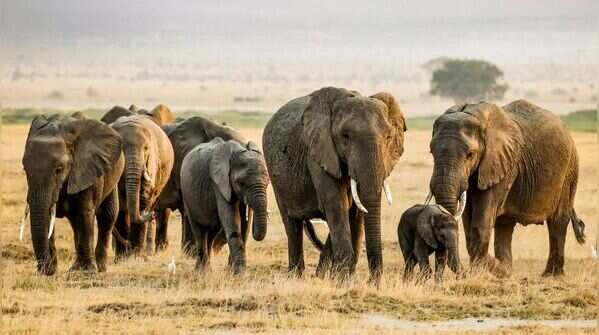
The elephant has the longest gestation period of all mammals
The elephant has the longest gestation period of any land animal, at 22 months (almost 2 years). For the calf to develop fully, it must have a brain that can think and a body large enough to walk right after birth.
PC: Canva

Nearly 1000 animal species have gone extinct since the 1500s
Due to human intervention, nearly 1000 species are under threat of extinction. Even more alarming, many species may have been lost to us before they were even known to exist. The result is a worldwide biodiversity emergency.
PC: Canva
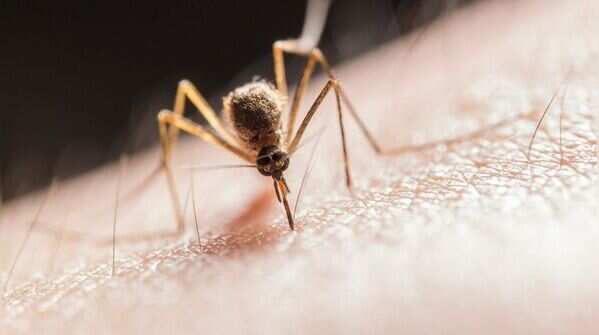
It would take 1.1 million mosquitoes to drain all your blood
The average adult human body has a blood volume of approximately 5 litres (or about 1.32 gallons). Given that no more than 5 microlitres (0.000005 litres) of blood is consumed by 1 mosquito while feeding, it would take approximately 1.1 million mosquitoes biting a person to completely deplete all the blood from that person's body. While a single mosquito bite may just be an annoyance, this number illustrates the actual total volume of blood present in the average adult's body.
PC: Canva
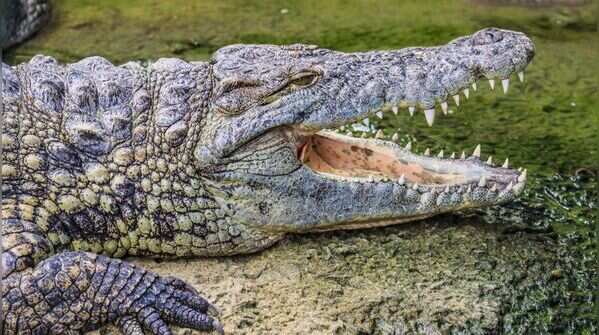
Crocodiles have the most powerful bite in the world
A Saltwater Crocodile has a record-setting bite force of 3,700 pounds per square inch (psi), the highest recorded in any living creature. This is almost four times as strong as a lion's bite force. The muscles in a Saltwater Crocodile's jaws are built to allow them to trap and retain large prey, much more than any other predatory species could do.
PC: Canva
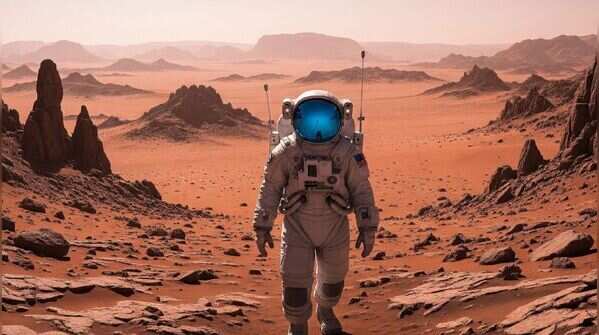
Astronauts grow up to three per cent taller in outer space
Astronauts are known to grow in height while in space by nearly 3%. This occurs due to the lack of gravity on Earth, compressing their spines. Once an astronaut is weightless (because he/she is no longer under the influence of Earth's gravitational pull), the cartilage that is located within each vertebrae can expand, resulting in lengthening the vertebrae. This is only temporary, however; when an astronaut returns to Earth, they will revert to their normal height as gravitational force compresses their spines.
PC: Canva
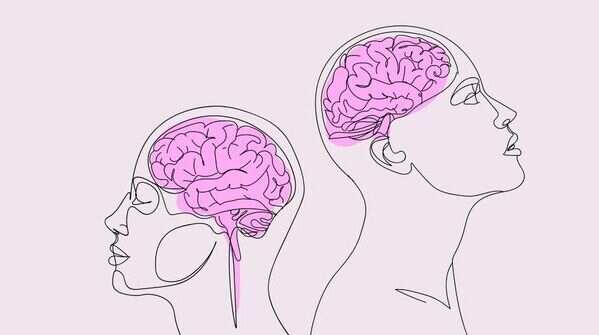
Men’s brains may be bigger, but women’s brains are more efficient
Although males typically have larger overall brains than females, research suggests that females generally have more efficient brains. Research using brain activity mapping has also shown that female brains typically have stronger connections between the left and right hemispheres than male brains. Consequently, the more developed ‘network’ in females enables faster communication across different brain regions, leading to better performance in tasks such as memory, intuition, and social information processing.
PC: Canva

The average human eats 7,000 animals in their lifetime
According to data regarding the consumption of animals through diet and the average lifespan of various animal species, an individual who consumes meat will eat approximately 7000 animals over their lifetime. Approximately 11 of these will be cows, 27 will be pigs, 2400 will be chickens, 80 will be turkeys, and many thousands will be fish. These statistics illustrate the vast amount of livestock that must be produced to support diets based heavily on protein, and serve as an example of how large the food industry is today.
PC: Canva
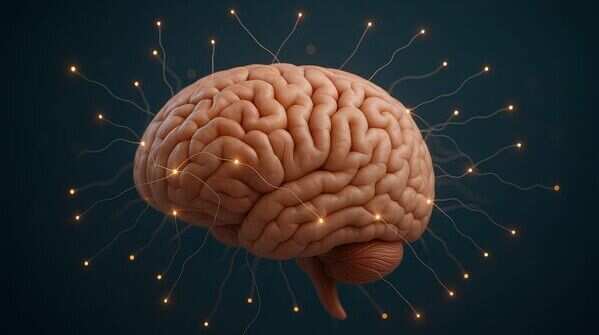
Your brain registers 11 million bits of information every second
Your sensory organs - eyes, ears, skin, and nose - are bombarded by information at all times. While your brain can process an astonishing 11 million bits of information every second, your conscious mind can only process approximately 40 to 50 bits. This shows how great the difference is in what your subconscious mind filters out to protect you from sensory overload and allow you to focus on the most important things for survival.
PC: Canva
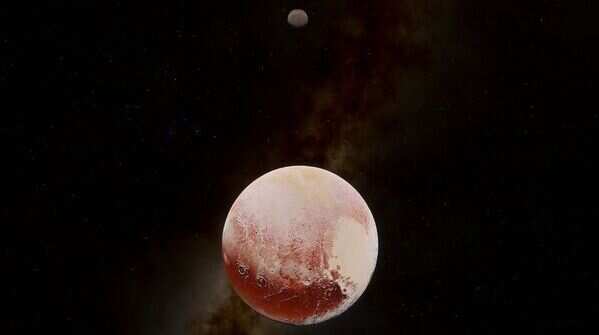
Russia and Pluto comparison
There was historically a debate surrounding whether or not the USSR was larger than Pluto when comparing surface measurements. However, due to measurements performed by NASA's New Horizons spacecraft in 2015, there is now a distinction between the two. Pluto has a greater total surface area than Russia, with 17.6 million square km compared to 17.1 million square km for Russia.
PC: Canva

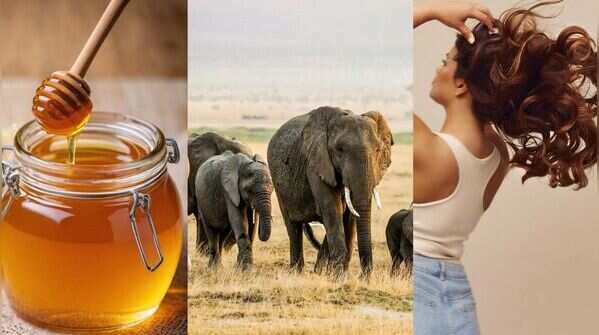
Honey has an indefinite shelf life
Honey is one of the only foods that is still edible after being stored for thousands of years. Archaeologists have found containers of honey in tombs dating back over 3000 years (in Egypt) that remain edible today. The reason honey has remained untouched for so long is due to its acidity, low moisture content, high sugar concentration, and the hydrogen peroxide produced by bees, all of which combine to create an environment where bacteria will not grow.
PV: Canva
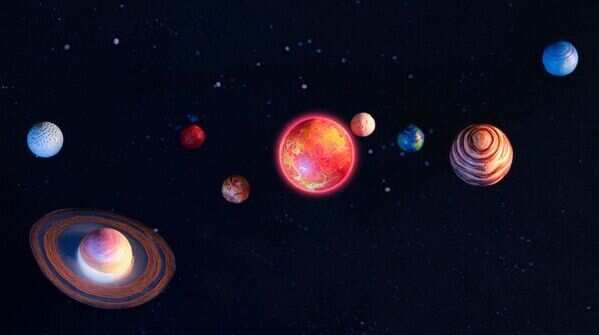
All the planets in our solar system could fit between Earth and the Moon
The average distance from Earth to the Moon is approximately 384400 kilometres. If you were to put all planets from Mercury through to Neptune side by side, their total diameter would be about 380000 kilometres. Thus, you can fit all 8 planets in that gap, leaving approximately 4400 kilometres of space unfilled.
PC: Canva

Human hair is strong enough to hold the weight of two elephants
A strand of human hair can support approximately 100 grams. With an average of approximately 120,000 hairs on a person's scalp, this total would equal approximately 12,000 kilograms, or about 2 adult elephants. Hair is composed of the protein called keratin, which is exceptionally strong and has an excellent strength-to-weight ratio when compared with steel.
PC: Canva

The human body has over 640 muscles
The human body includes over 640 separate skeletal muscles, which are responsible for every motion in your body (e.g., how you walk or smile). These 600 muscles are attached to your bones and work in pairs, one muscle pulls and the other muscle releases. Along with the many other types of muscle (such as ‘smooth’ muscle) in the human body that are used for functions like digestion, these 640 muscles are the only muscles to which we consciously attempt to utilise while experiencing normal activity.
PC: Canva
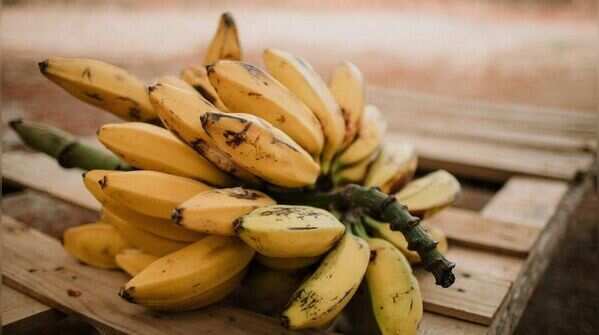
Bananas share about 60 per cent of the same DNA as humans
Strange as it may seem, humans and bananas share about 60% of the same genetic code. We can do so because every living thing on this planet shares a common ancestor. We also have ‘housekeeping’ genes that carry out some of the most basic functions of life, such as turning oxygen into energy and repairing damaged DNA. The instructions for these basic functions have been nearly identical for billions of years.
PC: Canva
Featured In Science

