
- News
- Religion News
- 8 Most iconic Goddess Durga temples in India and the story behind them
8 Most iconic Goddess Durga temples in India and the story behind them
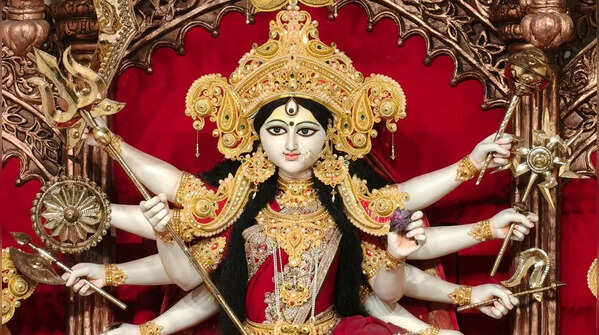
Most iconic Goddess Durga temples in India and the story behind them
As per Hindu mythology, Goddess Durga, also worshipped as Shakti, is the epitome of feminine power and strength and is highly revered and worshipped across India in various forms and avatars. Interestingly, each region of India boasts of a unique story of Shakti and her presence. So, from the snow-capped mountains of Jammu to the lush landscapes of Assam to the riverside temple of Devi, each temple has a tale to tell. So, read on to know more about these iconic Goddess Durga temples.
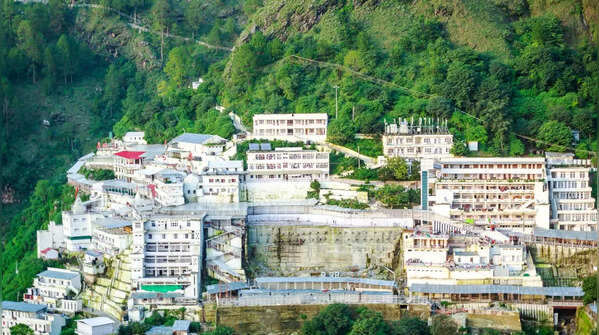
Vaishno Devi Temple, Jammu & Kashmir
Located amidst the snow-capped mountains, Vaishno Devi Temple is in the Trikuta Mountains, and every year millions of devotees visit this holy shrine. According to Hindu mythology, this temple is one of the most revered pilgrimage sites in India. According to legend, Vaishno Devi was a devotee of Lord Rama and was once chased by a tantric known as Bhairo Nath. While she was fleeing from one place to another, she found a cave wherein she took refuge and was meditating. She was troubled by the tantric, who wanted her to let him enter the cave, when she ultimately beheaded and slew Bhairo Nath. The cave was later established as a shrine that was discovered by Pandit Sridhar around 700 years ago.
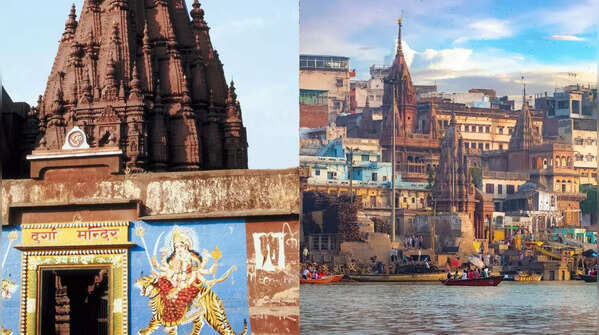
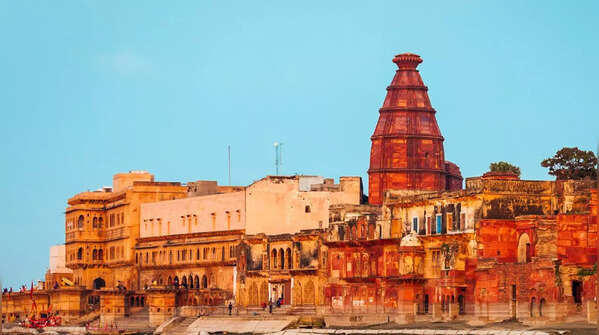
Durga Temple, Varanasi
This Durga temple was built in the 18th century, and the unique red structure by Rani Bhabani features a self-manifested idol by a sacred kund once linked to the Ganges. According to the books of mythology, it is believed that this Durga temple was created to honor Durga, who came on a lion and fought the war with rival kings to protect Varanasi and Kashi Naresh's daughter and her husband.
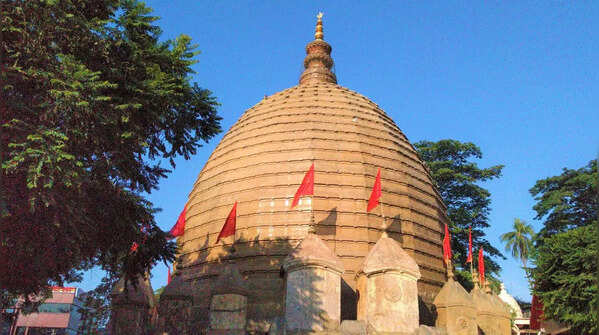
Kamakhya Temple, Assam
Another prominent Shakti Peeth, which is situated on the Nilachal Hill in Guwahati, this Shakti Peeth marks where Sati's yoni fell; there is no idol, but a stone yoni is revered as Durga/Tantra Devi. There are many tales that revolve around this temple, such as that this holy shrine is dedicated to the Goddess Durga and her power of creation. Legend says that Sati's yoni (female genitalia) fell on this region when Lord Shiva was carrying her corpse, and since then, Maa Kamakhya has been worshipped. This temple also holds an annual 'Ambubachi Mela,' which celebrates the process of creation, and the temple remains closed during the menstrual cycle, and no one is allowed to enter the grabh griha.
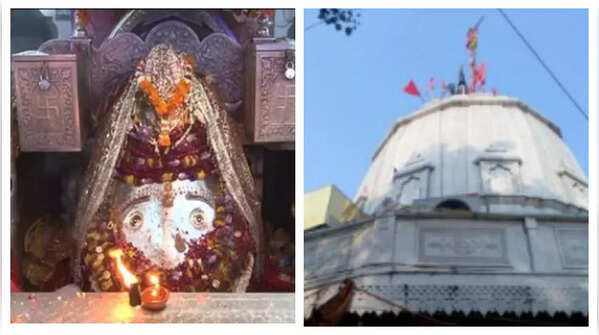
Kalkaji Mandir, Delhi
One of the oldest Shakti temples in India, Kalkaji Mandir is over 3,000 years old and is located on top of the Aravalli Hills, near Nehru Place, Delhi. This Devi temple is linked to the Pandavas and Krishna's presence. In fact, as per the legend, Goddess Parvati gave birth to Kaushiki Devi from her cell to defeat two demons troubling Devas and people, and since then Devi has been worshipped in this place.
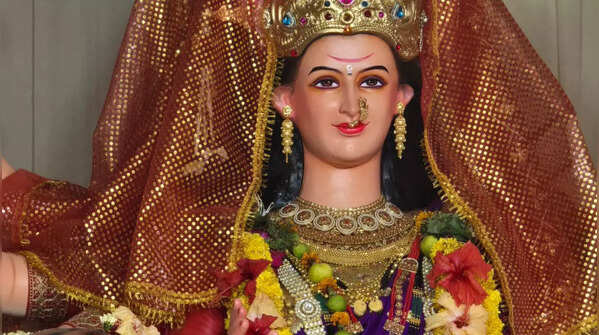
Katyayani Temple, Vrindavan, Uttar Pradesh
This temple is dedicated to Goddess Katyayani, and it is one of the most popular and oldest temples in Vrindavan. Every year devotees frequent this holy temple to seek blessings of Goddess Katyayani. According to ancient texts, it is believed that the temple dates back to the era of Lord Krishna and was a prominent place of worship, as it was believed that the gopis (cowherd girls) worshipped Maa Katyayani to bless them with Lord Krishna as their husband.
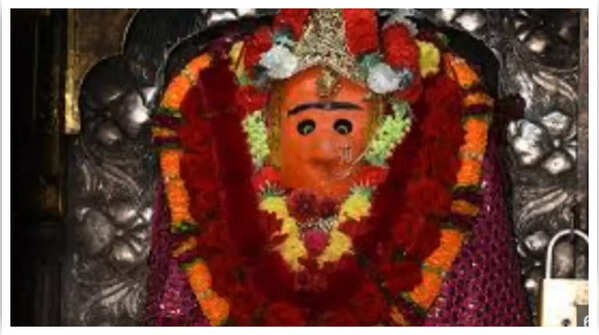
Chamunda Devi Temple, Himachal Pradesh
This temple is located on the lush green mountains in Himachal, near Chamba. Every year devotees come from far lands to visit as well as honor Goddess Durga's Chamunda avatar. According to Hindu mythology, it is believed that this avatar was born from Durga's (Ambika's) brow, which was created to slay the demons Chanda and Munda, who disturbed her during meditation and created a wrath in the world. The temple embodies her warrior form in tiger skin and skull garland, drawing devotees for protection.
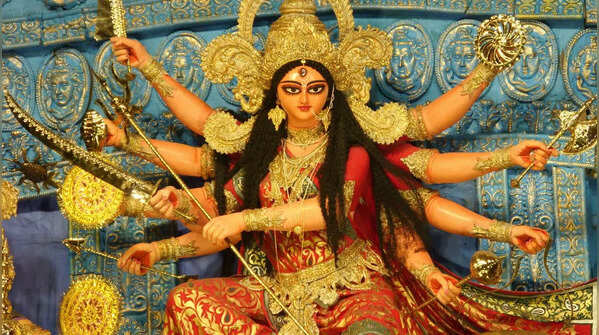
Chamundeshwari Temple, Karnataka
This holy shrine is located on the top of the beautiful Chamundi Hills near Mysore; this 600-year-old temple honors Durga as Chamundi, who slayed the demon Mahishasura. King Chamaraja Wadiyar survived lightning here, crediting her protection; it's central to Dussehra celebrations.
Kanaka Durga Temple, Andhra Pradesh
Situated on the Indrakeeladri Hill in Vijayawada near the Krishna River in Andhra Pradesh. This ancient shrine depicts golden Durga slaying Mahishasura, which was built by the Chalukya kings around the 10th century in the place with mantra shastra sculptures, which symbolizes victory and draws huge Navratri crowds.
Featured In Religion

