
- News
- Relationships News
- Quote of the day by Socrates on love: ‘The hottest love has the coldest end’
Quote of the day by Socrates on love: ‘The hottest love has the coldest end’
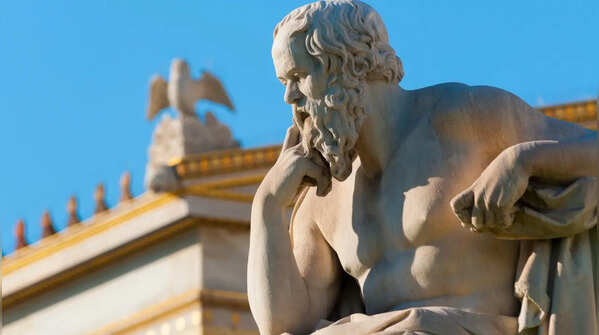
Quote of the day by Socrates on love: ‘The hottest love has the coldest end’
Few philosophers have tried to understand the complexities of human emotions like Socrates. His deep observations of the human condition have stood the test of time. Yes, we call it by different names today, but the foundational emotion of love remains the same. One of his reflections on love remains timeless, even in this age of modern romance, right swipes, and evolving dating vocabulary.
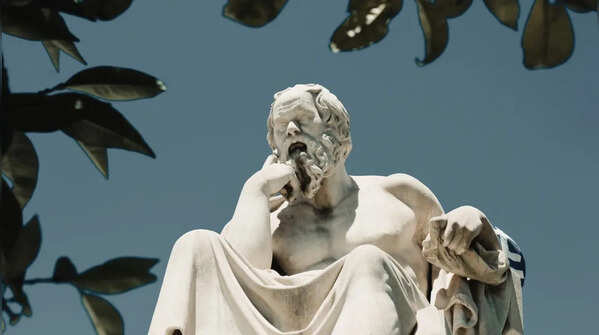
A visionary
Socrates lived in ancient Athens, Greece. Born around 470 BCE and dying in 399 BCE, he spent most of his life in Athens. He lived during a time when philosophical questions were nascent, and yet he kept asking questions about life, virtue, and truth. His quote on love is another deep observation about human nature.

‘The hottest love has the coldest end’
The quote, “The hottest love has the coldest end,” is often attributed to Socrates. Here, the philosopher does not condemn love. He also does not romanticise it blindly, as many do. His quote cuts through the noise and lays out a fact. He understood that extremes rarely sustain, be it love, ambition, or devotion. That is the fundamental truth.

The physics of emotion
Socrates uses an apt metaphor to describe love. Heat naturally fades over time, and even the brightest, hottest flame will eventually cool. Intense love in the beginning can be tempting, but it can also consume you. Socrates suggests that the same intensity that makes love feel overwhelming can also lead to its fading. No, it is not pessimism, but observation. The most passionate relationships often have the most dramatic endings. Think about it: the brightest light has the most noticeable dimming; that is the rule of nature.

Beyond romance
Socrates’ quote on love goes beyond romantic love. In friendships, strong emotions such as admiration can eventually lead to envy or betrayal if there is a lack of balance. The same goes for ambition. While wanting success is not wrong, when it turns into an obsession, it can lead to burnout or, in worse cases, moral compromise. This applies to devotion as well. Attachment can turn into control if you lack balance. In short, what Socrates meant is that intensity does not equate to sustainability. Consistency is key. Impressing your partner with grand gestures in the beginning can be nice, but if you do not keep it up, the relationship is going to suffer. This does not mean always showing up with big gestures, but simply being there. What lasts is not the strongest flame, but the one that is steady enough.
Featured In Relationships

