
- News
- Relationships News
- 5 books to read if you want to be rich and successful in life
5 books to read if you want to be rich and successful in life

Want to be rich and successful? These 5 books could change your life
Let’s be completely honest for a second - there is no magic book hidden in a library somewhere that is going to drop a million dollars into your bank account by tomorrow morning. If becoming wealthy were as simple as finishing a chapter, we’d all be sitting on private islands right now. But while books won't give you a shortcut, they can absolutely rewired the way you look at money, risk, and the opportunities drifting past you every day. And that shift? That’s where the actual work begins.
Some of the most successful people on the planet - from self-made entrepreneurs to the quietest, wealthiest investors - constantly credit specific books for shaping their biggest financial moves. If you’re truly serious about building something substantial, these five books are a fantastic place to start. They don't just give you a "rah-rah" pep talk; they hand you the actual mental frameworks you need to stay in the game.
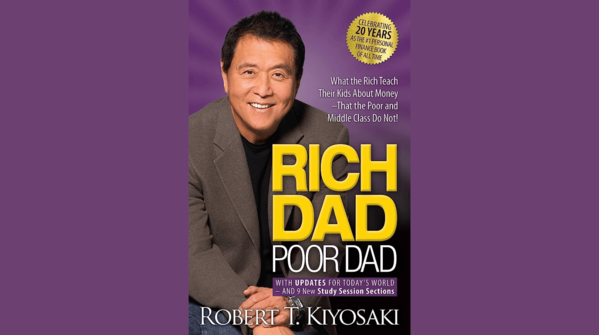
Rich Dad Poor Dad by Robert Kiyosaki
This is probably the most talked-about personal finance book of the last few decades, and honestly, it’s for a very good reason. Kiyosaki doesn't try to drown you in Wall Street jargon or complex formulas. Instead, he focuses on the fundamental "vibe" of how we’re taught to view money.
The book compares two totally different mindsets: one from his "poor dad" (his actual father, a hardworking academic) and his "rich dad" (his friend’s father, a savvy entrepreneur). The big takeaway that sticks with everyone is that wealth isn't about how much you earn - it’s about knowing the difference between an asset and a liability.
Kiyosaki’s core pillars are simple:
Buy things that put money in your pocket (assets).
Stop buying things that take money out (liabilities).
Learn how to make your money work for you, rather than spending your whole life working for a paycheck.
While some people find the storytelling a bit simplified, the core message is a punch to the gut: without financial education, you're just running on a treadmill.
The Intelligent Investor by Benjamin Graham
If you want to actually understand the stock market - not just the "get rich quick" crypto trends, but real, long-term strategy - this is the Bible. It was written by Benjamin Graham, the man who actually mentored Warren Buffett.
Now, a fair warning: this is not a light, breezy beach read. It’s dense, and it can be a bit dry. But the value tucked inside those pages is incredible. Graham teaches you the crucial difference between "investing" and "speculating" (which is basically just gambling). He shows you how to look at the bones of a company to see if it’s actually worth your time and why emotional discipline is the only thing that will save you when the markets go crazy.
Buffett himself has called this "by far the best book on investing ever written," and that’s a recommendation you really can’t ignore.
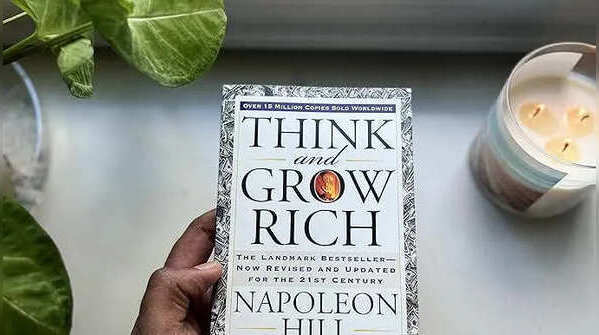
Think and Grow Rich by Napoleon Hill
Don’t let the old-school title fool you; this book is less about bank accounts and more about ambition, grit, and the psychology of winning. Published way back in 1937, it’s based on Hill’s lifelong study of the most successful people of his era.
Even though some of the language feels a bit dated, the principles are surprisingly timeless. Hill argues that success doesn't just happen to people; it starts with a "definite chief aim." You can’t just "want" to be successful; you need a vision so clear it feels real before it even happens. It’s a great read if you struggle with self-doubt or find it hard to stay consistent when things get tough.
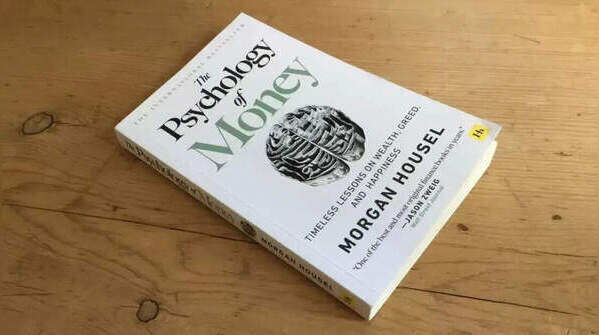
The Psychology of Money by Morgan Housel
This is one of the most refreshing, modern takes on finance you’ll ever find. Housel doesn’t care about what stocks you’re picking. Instead, he explores how human beings actually behave with money—and why your behavior is a way bigger predictor of success than your IQ.
The reality is that most of our financial choices are driven by ego, fear, and social pressure, not logic. Housel uses really simple, gripping stories to explain why saving money is more important than chasing high returns and why "luck" plays a much bigger role in success than we like to admit. One of the best lessons in the book? You don’t need to be a genius to get rich; you just need to be patient and avoid making the kind of massive, ego-driven mistakes that sink most people.
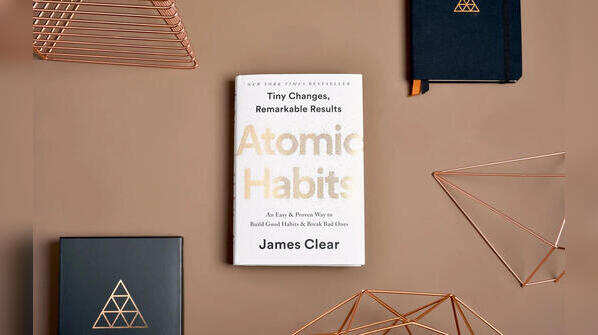
Atomic Habits by James Clear
At first glance, you might wonder why a book about habits is on a "how to get rich" list. But here’s the truth: financial success isn't one big, heroic move. It’s the result of a thousand tiny, boring decisions made over a decade.
James Clear breaks down how small, 1% improvements every day compound into massive results. If you want to build wealth, you have to build the habits of someone who is wealthy: saving consistently, learning every day, and sticking to a plan. Clear makes it obvious that in the long run, your systems -the things you do on autopilot - are way more important than your goals. It’s the ultimate guide to building the discipline that makes all the other financial advice actually stick.

Being rich is a combination of many things
If there is one thing these five books show when you read them together, it's that wealth is a combination of your mindset, your behavior, and your consistency.
Rich Dad Poor Dad changes how you think about money.
The Intelligent Investor teaches you how to protect it.
Think and Grow Rich helps you find the drive to go get it.
The Psychology of Money explains why your ego is your biggest enemy.
Atomic Habits gives you the routine to make it all permanent.
You don't need to tackle all five this weekend. Just pick the one that sounds most interesting and dive in. Take notes, highlight the parts that make you uncomfortable, and actually try to apply one thing you learn. Because at the end of the day, reading won't make you rich, but acting on what you've read just might.
Featured In Relationships

