
- News
- Nilekani argues the case for a digital India
This story is from November 26, 2016
Nilekani argues the case for a digital India
He is the brains behind the Aadhar card project.
Nilekani argues the case for a digital India
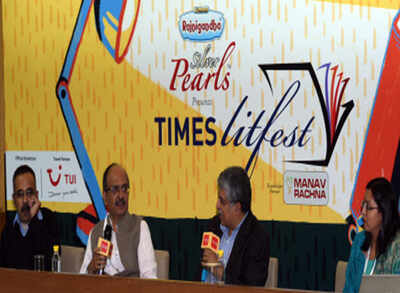
Nilekani was giving the keynote address, ‘India@70: Rebooting the Republic’, on the opening day of the Times Lit Fest, and argued fervently for transforming the way Indians live, consume and transact.
‘Rebooting India’ details his experiences of working on the UIDAI with the government. “It’s a project which went very well. It was executed before time and below budget, which is not very common,” he described.
“This (demonetisation) shock to the system will help in accelerating the digitisation of the economy. But yes, we are going through pain, and we’ll have to bear with the pain for a while,” said Nilekani. He maintained that UIDAI has helped pave the way to a cashless economy, and even made India better prepared to handle the monetary jolts.
“Because of the efforts of the last seven years, a lot of the pieces are already in place, like the Aadhar card, and the Aadhar payment bridge. And instead of a time frame of three years, I see digitisation happening within three to six months.”
The biggest challenge thrown up by demonetisation is the disruption of the flow of money, more so in small transactions, at shops and small establishments. “The risk is that economic activity will come down. So the key is making merchant transactions cashless, and we have the infrastructure for that.”
There are people who don’t have smartphones or ‘feature’ phones, but they have Aadhar. “People can use their Aadhar number and make a cashless payment. They can also use the card at micro ATMs, at grocery stores and PCs,” Nilekani said.
Asked whether he felt miffed that the current government had borrowed his UID idea and made it their own, he said that on the contrary, he’s happy it has survived and thrived. “My loyalty is to Aadhar.”
Technology, Nilekani insisted, should be used judiciously, and to help empower people. “I am a great believer that we can use technology to develop solutions that can have a great impact.
“The infrastructure we have created is seeping into the system, becoming an integral part of it.” And digitisation must complement areas like education and health. “If we have to address a billion people’s aspirations, we have to rethink and reimagine. For example, how can we apply this architecture to education and health?
“Because building more schools and employing more teachers won’t help in meeting the challenges that India faces.”
Ultimately, technology will take government and bureaucracy out of the equation, and negate the role of the middleman. Such a system, he believes, will be open, and thus less susceptible to fraud.
End of Article
FOLLOW US ON SOCIAL MEDIA

Hot Picks
TOP TRENDING
Popular Categories
Hot on the Web
Top Trends
Trending Topics
Devara CollectionNavya Naveli NandaPawan KalyanJungle SafariStree 2 OTT ReleaseRose GardenDevara CollectionOTT Release MovieMasala OmeletteEmergencyDevaraTaaza Khabar 2 Twitter ReviewDevara Movie ReviewHealthy RaitasSwatantrya Veer SavarkarColdplay India tour 2025Smartphone DealsApple Macbook Air M1Amazon SaleWordle Answer
Living and entertainment
Latest News
India vs Australia: Can Akash Deep make the difference Down Under?Rs 40.87 crore cash, goods seized since inception of mode code: DGP KapoorTulsi Gabbard calls Kamala Harris shameless as VP inspects US-Mexico border: 'No conscience'SC handbook lists terms to be avoided to refer to persons with disabilities, provides alternativesEx-WWE Writer Vince Russo Voices Frustration Over Triple H's Handling of LA KnightQueen Camilla does not want King Charles to meet Prince Harry because...Mapusa rain surges past 4,000mm markAnanya Panday calls new mom Deepika Padukone 'the most beautiful woman ever'Congress leader Pawan Khera asserts people of Haryana want change ahead of assembly electionsRG Kar case: West Bengal junior doctors to resume 'cease work' following SC hearing on MondayGovernment unveils draft rules to take terminally ill off life supportIt’s ‘karma’ that Pakistan ills are consuming its own society: Jaishankar in UNGAMadhya Pradesh: 6 people killed, several injured as bus collides with parked dumper in MaiharShots in the air, wails and disbelief in Beirut after Hezbollah head killedZodiac Signs as Barbie Dolls: Finding Your Cosmic DollWeekly Horoscope, September 29 to October 5, 2024: Read weekly astrological predictionsMS Dhoni to be 'uncapped' player as IPL retention rules announced ahead of mega auctionMayank Yadav picked for Bangladesh T20Is
Copyright © 2024 Bennett, Coleman & Co. Ltd. All rights reserved. For reprint rights: Times Syndication Service