
- News
- Iconic Indians and the Idea of India
This story is from November 29, 2015
Iconic Indians and the Idea of India
After exploring in his previous book the ‘Idea’ – that is, the political and social processes that shaped India, Khilnani now investigates the making of its ‘Icons’.
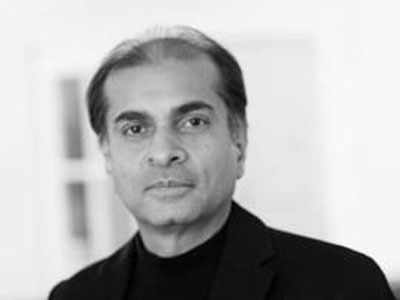
After exploring in his previous book the ‘Idea’ – that is, the political and social processes that shaped India, Khilnani now investigates the making of its ‘Icons’.
After exploring in his previous book the ‘Idea’ – that is, the political and social processes that shaped India, Khilnani now investigates the making of its ‘Icons’ – the people who made its history.
The result of this study will materialize in February as a book of essays called Incarnations: India in 50 Lives, on 50 of India’s notable personalities known and unknown, spanning 2,500 years from Emperor Ashoka to Dhirubhai Ambani. The book, with over 150 images, will also play out on BBC radio and podcast, a first for Khilnani.
India’s history, Khilnani holds, is a curiously unpeopled place. “Beyond a few iconic names, most of the country’s important historical figures recede into a haze of legend and myth,” he suggested. This has partly to do with the pillage of colonizers, who not only ransacked the country’s material resources but its historical records too. And thus, argues Khilnani, they unmoored the subjects from their traditions and their past. “And so the heroes of modern India were made of myth not primary sources,” he argues.
A telling example is Rani Lakshmibai whose mythic escape from the British is often depicted in Indian lore as an equestrian figure flying off the ramparts of Jhansi fort, with child in tow. This image is also telling of the way pre-20th century Indian women are frustratingly framed in Indian history – as goddesses, not flesh-and-bones, fallible heroes, whom the young women of today can more easily identify with and emulate. “We need to demythologize our history in order to rehumanize it,” he pointed out.
He spoke of India’s growing tendency to ‘remoralize’, and restrict the space for creative and critical engagement with authority. Many of the illustrious people in our pantheon of nation-makers, we often forget, were a rabble-rousers and trouble-makers. “By turning them into superheroes, we forgot they were once scrappers,” he said., adding that the idea of criticism was central to the idea of progress.
Shobhaa De, who was in conversation with Khilnani, inquired if young India was not sufficiently interested in its own history, to which the academic pointed out that the youth were indeed interested in the past, but being sceptical of any authority figure, needed to see their icons as real human beings.
Referring to Khilnani’s final chapter on Dhirubhai Ambani, De pointed up a line from the book which said Dhirubhai’s gift was mazimizing and monetizing inequality. “That’s a loaded statement,” she charged.
Dhirubhai used access to information as a lever to make money, Khilnani explained. “In Aden he was amazed at a person’s willing to pay a large amount of money for telegram information about a certain train, and he immediately saw in life, if you have information that no one else has, that’s money,” said Khilnani, “And a form of inequality.”
End of Article
FOLLOW US ON SOCIAL MEDIA
Photostories

Hot Picks
TOP TRENDING
Popular Categories
Hot on the Web
Top Trends
IND vs NZ Live ScoreLawrence BishnoiRohit SharmaTom BradyYahya SinwarTaylor SwiftDelhi AQI LevelSarfaraz KhanSSC CGL Result 2024 Live UpdatesSadhguru Motivational QuotesChampions TrophyJay Cutler ArrestMike WilliamsIndia Test Match New RecordMaharashtra Election ScheduleJharkhand Election ScheduleLive Cricket Score
Trending Topics
Diwali WishesDhanteras 2024Fake PaneerKarwa Chauth WishesKarwa Chauth Mehendi DesignVicky Vidya Ka Woh Wala Video CollectionKarwa Chauth 2024Salim KhanAvinash MishraBigg Boss 18Kaun Banega Crorepati 16Shraddha KapoorVettaiyan CollectionBougainvillea Movie CollectionJuhi ChawlaLiam PayneTop Load Washing MachinesBest Premium LaptopsIntel LayoffsWordle Answer
Living and entertainment
Latest News
Shraddha Kapoor looks chic in black as she heads for work - video insideGoogle still has to bring this one ‘change’ despite getting pause order on Play store rulingDance+ Judge Remo Dsouza, wife Lizelle D'souza and 5 others booked for cheating dance troupe of Rs 11.96 CrSalman Khans's sister Arpita Sharma and Aayush Sharma sell their Bandra house for Rs 22 crores: ReportHow Apple's new iPhone 16 series may have brought ‘a positive sign’ for company in ChinaPriyanka Chopra dazzles in a shimmery corset gown for 'Paani' screening; fans call 'jiju' Nick Jonas a lucky manVijay Varma reveals his negative roles always made women feel intimidated: 'It hurt when Sunidhi Chauhan said she was scared of me'"I'm not impressed”: Pro Football Hall of Famer Troy Aikman criticized the Dallas Cowboys amid their underwhelming start to the seasonOne bomb hoax can cost an airline over Rs 3 croreKartik Maas 2024 Start and End Date: Time, Rituals and SignificanceShakib Al Hasan supporters rally in Dhaka before South Africa Test series'Jigra' box office collection day 7: The Alia Bhatt starrer sees a further drop in numbers as it completes its one week run, inches closer to Rs 25 croreNumerology in Tarot: Decoding Number Symbolism in Major and Minor ArcanaBest Running Shoes for Men Tailored For Every TerrainSeema Sajdeh confirms she is dating someone, Construction of Alia Bhatt-Ranbir Kapoor's Krishna bungalow complete: Top 5 newsLondon’s dream of hosting WWE'S WrestleMania faces major setbackHeartbreak! Rishabh Pant joins rare list of keeper-batters to be dismissed on 99 in a TestTom Holland talks 'Spider-Man 4' script; How he sees challenges in featuring the film in MCU timeline
Copyright © 2024 Bennett, Coleman & Co. Ltd. All rights reserved. For reprint rights: Times Syndication Service