
- News
- Demonetisation is part of govt’s amnesia about the poor: Harsh Mander
This story is from November 27, 2016
Demonetisation is part of govt’s amnesia about the poor: Harsh Mander
Speaking at a panel discussion on Sunday as part of the Times Litfest here, Mander said that the economically deprived had been dealt with a severe blow by the policy.
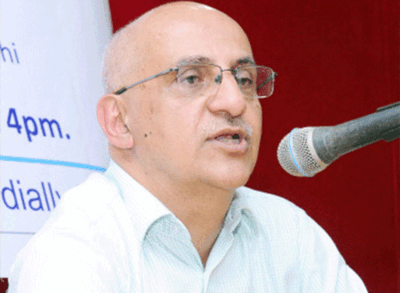
Speaking at a panel discussion on Sunday as part of the Times Litfest here, Mander said that the economically deprived had been dealt with a severe blow by the policy.
“Over the past few years, the attitude of the government towards the poor has changed.
Demonetisation is an indicator of this. Earlier, the government’s concerns were about solving the problems of the underprivileged, Dalits and minorities. Over time, there began what I call an exile of the poor from the consciousness. Consider how they have been banished from popular culture like cinema. That kind of consciousness is characterised by a measure like demonetisation,” said Mander. The panel discussion was on sociologist and development specialist Meera Mitra’s book ‘Breaking Through: India’s Stories of Beating the Odds on Poverty’.
“The book is more than just a treatise on poverty. She (Mitra) has brought out the human dimension of it as well. She has coined the expression ‘by default entrepreneurs’, people who have been forced to become entrepreneurs because jobs do not exist,” said former Chief Election Commissioner S Y Quraishi.
“The urgent need for family planning has been brought out, for instance. Women want to be sterilised. The fact that the government is not working on this is a lapse in policy,” Quraishi added.
“Meera’s stories in the book are about people who fought and overcame odds. Is this because of the state or despite it? If you consider the demonetisation initiative, what about the huge section of the population which does not have cards? The government exists to help big businesses function better. The PM did not respond when India fell to 97 from the 80s in the Global Hunger Index, but he issued a statement when there was a slight change in India’s ranking in Ease of Doing Business. The absence of public compassion in the middle class and the government is the central problem today,” Mander said.
Raising concerns about the situation of the section of citizens who have just elevated themselves above the poverty line and are still vulnerable, and have therefore been hit very hard by the currency shortage, Mitra however said that growth was having a direct impact on the Generation Next of the underprivileged. “My book has stories of how this generation has taken advantage of the opportunities that growth has brought,” the sociologist added.
End of Article
FOLLOW US ON SOCIAL MEDIA
Photostories

Hot Picks
TOP TRENDING
Popular Categories
Hot on the Web
Top Trends
Israel Hezbollah WarMost Runs in International CricketVirat KohliIND vs BAN Live ScoreRohit SharmaIndian Team Fastest Test FiftyMohammed SirajUGC NET Result 2024TS DSC Results 2024Women T20 World Cup Points TableWomen T20 World Cup ScheduleShane McMahon Net WorthHezbollah ChiefTourists Not AllowedDiddyTop Management Colleges of IndiaLive Cricket Score
Trending Topics
Devara CollectionMithun ChakrabortyKangana RanautNavratri WishesGandhi Jayanti WishesAnant AmbaniDevara CollectionGandhi Jayanti 2024Masala OmeletteEmergencyDevaraTaaza Khabar 2 Twitter ReviewDevara Movie ReviewHealthy RaitasSwatantrya Veer SavarkarColdplay India tour 2025Smartphone DealsApple Macbook Air M1Amazon SaleWordle Answer
Living and entertainment
Latest News
iVoomi S1 Lite e-scooter launched at Rs 84,999: 180 km range, three-year warranty!Tata Nexon turbo CNG: Variant-wise features with price explainedPMI in India intensifies efforts against Illicit Tobacco Trade to Safeguard Economic Interests and Consumer ProtectionBarbra Streisand pays tribute to late 'A Star Is Born' co-star Kris Kristofferson: 'He was something special'Mumbai vs Rest Of India: Irani Cup tie offers chance for hopefuls and rejects to impress selectorsOlivia Culpo and Christian McCaffrey buy George Clooney's mansion for $14.5 millionRG Kar case: Kolkata court extends judicial custody of ex-principal, suspended cop till October 4When Dikembe's shoe size astonished the Mumbai Temple guardHow can Ben Stokes and other overseas players avoid a two-year IPL ban?"Nothing he was doing was believable", Darby Allin picks names wrestler who benefited most from AEW All In 2023 backstage incidentColleagues remember braveheart Delhi Police constable Sandeep: 'Would rush to crime scene alone'Header: Kolkata metro conducts public awareness campaign at Dum Dum metro stationBengaluru resident exposes fake Flipkart agent attempting to deliver bogus iPhone 15; read online reactionsBihar and Jharkhand among top two states enrolling for contributory pension scheme for farmers"Tyler Huntley’s 'Snoop' Nickname: The Rapper Connection Explained”BTS star V crowned 'Most Handsome Man in the World 2024'Decoding a bowl of Idli Sambhar: From calories to nutrients4 members of notorious robbery gang held in crackdown by Ghaziabad police
Copyright © 2024 Bennett, Coleman & Co. Ltd. All rights reserved. For reprint rights: Times Syndication Service