
- News
- Demonetisation is not a radical change: SA Aiyar
This story is from November 26, 2016
Demonetisation is not a radical change: SA Aiyar
Swaminathan S Ankelsaria Aiyar, a columnist with Times of India, had a conversation with economist Surjit Bhalla.
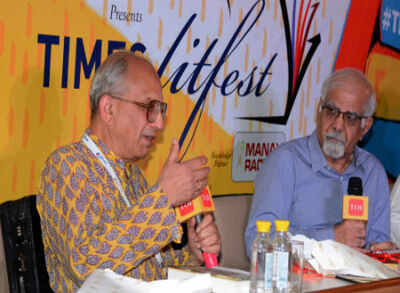
Demonetisation is not a radical change: SA Aiyar
Surjit Bhalla: Is your contrarianism because of instinct or because you reached a result?
Swaminathan Aiyar: I started being a contrarian because if I said what everybody else was saying, who would read me? In policy, when we started in 1970s, I was a socialist type.
Few of us who could see the writing on the wall were honest enough to change our minds by 1980s.
Bhalla: When did you stop being a socialist?
Aiyar: It was the idea businessmen were greasy fellows and it was much better to have politicians. Remember politicians had won us independence. By late 1970s, it had become clear we had moved from greasy businessmen to greasy politicians. It became clear other countries like South Korea were growing twice as fast. Something was dreadfully wrong. Then I remember it was productivity which none of the planning documents reported. In the long run, productivity is almost everything. And public sector has no in it. You require relentless competition.
Bhalla: Have you found your praise for the judiciary as a good institution controversial?
Aiyar: Judiciary is a mixed bag. If I had to reform one thing, it would be police-judicial system. Between the two of them they have ensured nothing happens to anybody who is influential. The only arrests that take place are arbitrary arrests for various reasons.
On the other hand, the system has been successful in writ jurisdiction. You can get arbitrary actions stayed. So rule of law comes in. So, even while judicial process is slow, writ works extremely well.
The judiciary has overstepped and got into large number of areas which is partly a good thing and partly and partly a bad thing.
Bhalla: What happens in your thinking when you get things wrong?
Aiyar: People who lack confidence have great difficulty in admitting they are wrong. If you are attempting to write a column, a topic comes up 24 hours before you write it, we make mistakes. I have got things gloriously wrong.
Bhalla: On demonetization, would you change your assessment of Narendra Modi and say he is a radical reformer?
Aiyar: First, demonetization is not a radical change. It has been tried before; it did not make very much of a difference. As far as generation of fresh black money is concerned that depends on how easy it is to not pay income tax. That requires a different set of reforms altogether.
End of Article
FOLLOW US ON SOCIAL MEDIA
Photostories

Hot Picks
TOP TRENDING
Popular Categories
Hot on the Web
Top Trends
IND vs BAN Live ScoreRussell WilsonsVirat KohliMickey ArthurShantanu NaiduUGC NET ResultNobel Peace PrizeMahadev Betting AppAmazon LayoffsRatan Tata DiesCBSE Class 10 12 Practical ExamPopular Schools in Navi MumbaiManagement Colleges of IndiaTop Medical Colleges of IndiaTop Engineering Colleges of IndiaTop Pharmacy Colleges of IndiaLive Cricket Score
Trending Topics
Diwali WishesDussehra 2024 QuotesDussehra WishesVettaiyan OTT ReleaseVettaiyan CollectionVettaiyan ReviewNatasa StankovicDevara CollectionBigg Boss 18Deepika PadukoneShraddha KapoorRatan Tata Passed AwayJigra Movie ReviewVettaiyan Movie ReviewSwatantrya Veer SavarkarDussehra 2024Elon MuskDussehra Whatsapp StatusUltimate Football Codes October 2024Wordle Answer
Living and entertainment
Latest News
Challenging Aspects in Astrology: What They Mean for YouNew Zealand pile pressure on India after routing Sri Lanka'Promotion of players by agents...': Mickey Arthur criticizes PCB, media for team's declining performancesInfosys to no longer send job offer letters and attachments, the company will ...Sena vs Sena: Dusshera rallies in Mumbai turn political as Shinde, Uddhav take aim at each otherUS carries out airstrikes in Syria to avert Isis attack on American soilExclusive: Aishwarya Khare recalls his childhood memories of Dussehra, says 'my father used to take us all to watch Ram Leela and Ravan Dahan'Punjab NEET UG Counselling 2024: Round 3 provisional merit list out, steps to checkManasi Parekh celebrates National Award win with husband Parthiv Gohil: “What a year it’s been!”In the land of Ram, a Ramlila that unites Hindus and Muslims'Singham Again' stars Ajay Devgn, Kareena Kapoor, Rohit Shetty spotted at airport as they jet off for Raavan Dahan in Delhi - Watch VIDEOPapankusha Ekadashi 2024: Date, Parana Time, Puja Rituals and Significance'Bigg Boss OTT 3' contestant Ranvir Shorey admits lack of patience for 'Bigg Boss', enters the show unprepared7 dead, 1 missing after car plunges into canal in Haryana'HanuMan' director Prasanth Varma reveals 'difference of opinion' with Ranveer Singh, hints at future collaborationETimes Pic of the day: When Indrajith Sukumaran bumped into Mukesh Ambani at a traffic signalDid you know NTR is the only actor to play both Lord Rama and Ravana?Swearing-in ceremony of Nayab Singh government in Haryana on October 17: Manohar Lal Khattar
Copyright © 2024 Bennett, Coleman & Co. Ltd. All rights reserved. For reprint rights: Times Syndication Service