• News
  • lifestyle
  • travel
  • UNESCO names 26 new World Heritage Sites including Maratha Military Landscapes from India

UNESCO names 26 new World Heritage Sites including Maratha Military Landscapes from India

UNESCO has recently added 26 new sites to its World Heritage List, recognizing diverse cultural and natural landmarks across the globe. These additions include India's Maratha Military Landscapes, ancient sites in Tajikistan, and unique ecosystems in Brazil and Guinea-Bissau. The updated list highlights the importance of preserving our shared heritage for future generations.
UNESCO names 26 new World Heritage Sites including Maratha Military Landscapes from India
Source: UNESCO
From ancient forts to breathtaking canyons, UNESCO has added 26 new properties to the World Heritage List during its session in Paris. These include 21 cultural sites, four natural landscapes, and one mixed site. Notably, India’s own Maratha Military Landscapes—a network of 12 historical forts—have earned UNESCO recognition, marking India’s 44th World Heritage site. Whether you’re a history buff, nature lover, or travel junkie, this global update highlights the diversity and significance of our shared heritage. Here is a list of all the important World Heritage Sites added by UNESCO in their official list.

List of 26 new sites added in UNESCO World Heritage list

S NO.
Site Name
Country / Region
Type
1
Cambodian Memorial SitesCambodia (3 locations)
Cultural
2
Cultural Heritage Sites of Ancient Khuttal
Tajikistan
Cultural
3
Diy‑Gid‑Biy Cultural Landscape
Cameroon
Cultural
4
Faya Palaeolandscape
UAE
Cultural
5
Forest Research Institute Park
Malaysia
Cultural
6
Funerary Tradition, Prehistoric Sardinia
Italy
Cultural
7
Maratha Military LandscapesIndia
Cultural
8
Megaliths of Carnac
France
Cultural
9
Minoan Palatial Centres
Greece
Cultural
10
Mount Mulanje Cultural Landscape
Malawi
Cultural
11
Murujuga Cultural Landscape
Australia
Cultural
12
Petroglyphs along Bangucheon Stream
South Korea
Cultural
13
Rock Paintings of Shulgan‑Tash Cave
Russia
Cultural
14
Sardis & Lydian Tumuli of Bin Tepe
Türkiye
Cultural
15
17th‑Century Port Royal
Jamaica
Cultural
16
Colonial Transisthmian Route
Panama
Cultural
17
Palaces of King Ludwig II
Germany
Cultural
18
Prehistoric Sites of Khorramabad Valley
Iran
Cultural
19
Wixarika Route to Wirikuta
Mexico
Cultural
20
Xixia Imperial TombsChina
Cultural
21
Yen Tu‑Vinh Nghiem‑Con Son Complex
Vietnam
Cultural
22
Cavernas do Peruacu National Park
Brazil
Natural
23
Coastal & Marine Ecosystems of Bijagós
Guinea‑Bissau
Natural
24
Gola‑Tiwai Complex
Sierra Leone
Natural
25
Peruaçu River Canyon
Brazil
Natural
26
Møns Klint Chalk Cliffs
Denmark
Natural

New UNESCO World Heritage sites 2025


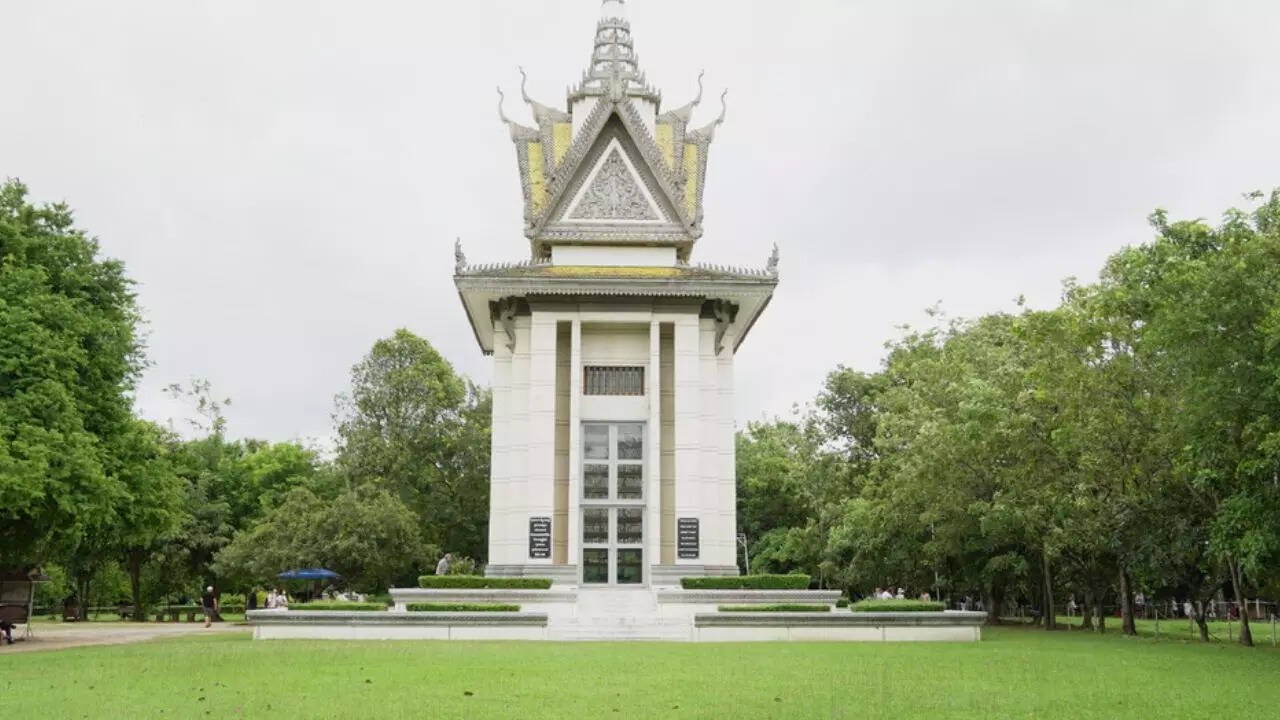
Cambodian Memorial Sites (Cambodia)
Cambodian Memorial Sites (Cambodia) ​
Source: UNESCO
Three powerful memorials—Tuol Sleng prison, Choeung Ek killing fields, and M-13 detention centre—stand as stark reminders of Khmer Rouge atrocities. UNESCO honours these as essential testaments to historical memory, trauma education, and healing, ensuring global awareness of genocide’s lessons.

Cultural Heritage Sites of Ancient Khuttal (Tajikistan)
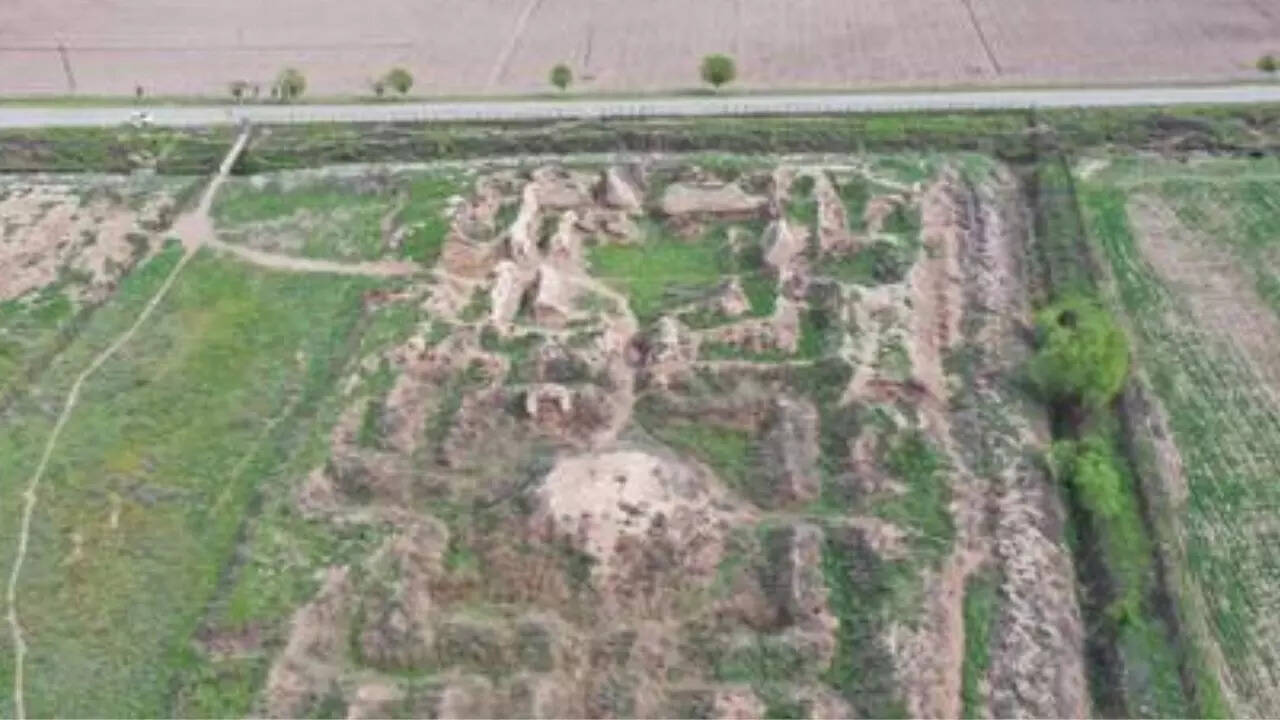
Cultural Heritage Sites of Ancient Khuttal (Tajikistan)
Source: UNESCO
The Khuttal site preserves medieval Central Asian culture through mosques, mausoleums, caravanserais, and ancient water systems. Dating from the 9th–12th centuries, it reveals intricate Islamic architecture, vibrant trade networks, and regional heritage in Tajik history.

Diy‑Gid‑Biy Cultural Landscape (Cameroon)
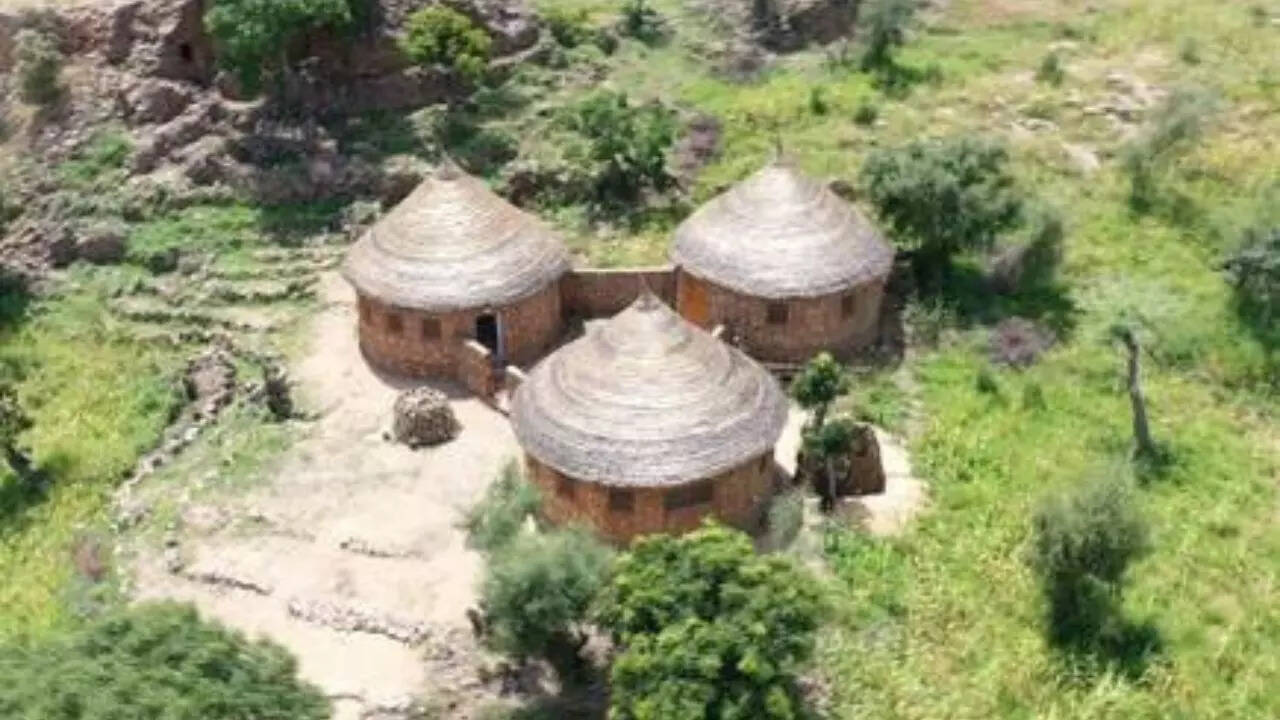
Diy‑Gid‑Biy Cultural Landscape (Cameroon)
Source: UNESCO
In North-West Cameroon, this landscape blends terraced farmland, sacred forests, and communal villages. It embodies Bamileke spiritual customs, showcasing how cultural identity and ecological harmony co‑exist through ancestral agricultural practices and social tradition.

Faya Palaeolandscape (UAE)

Faya Palaeolandscape (UAE)
Source: UNESCO
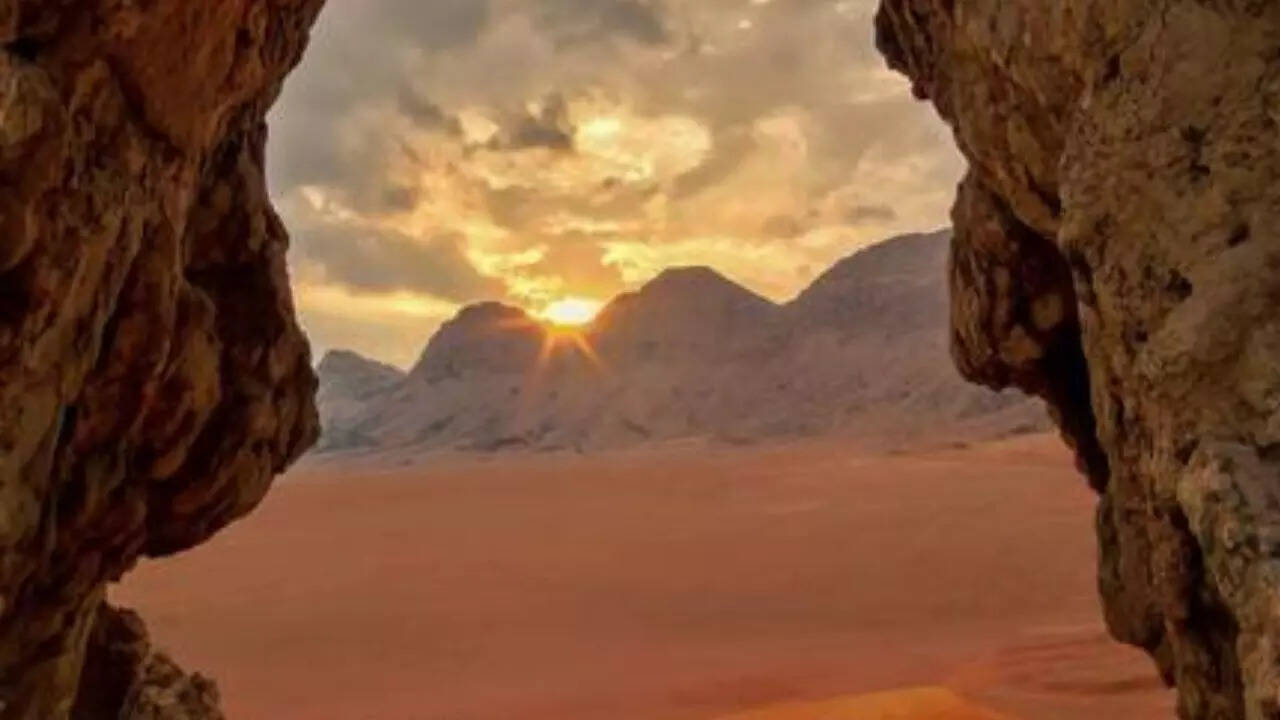
This prehistoric site houses 100,000‑year‑old archaeological evidence, including stone tools and remains of ancient settlements. UNESCO highlighted how it offers insight into early human migration patterns and environmental adaptation in the Arabian desert.

Forest Research Institute Park (Malaysia)
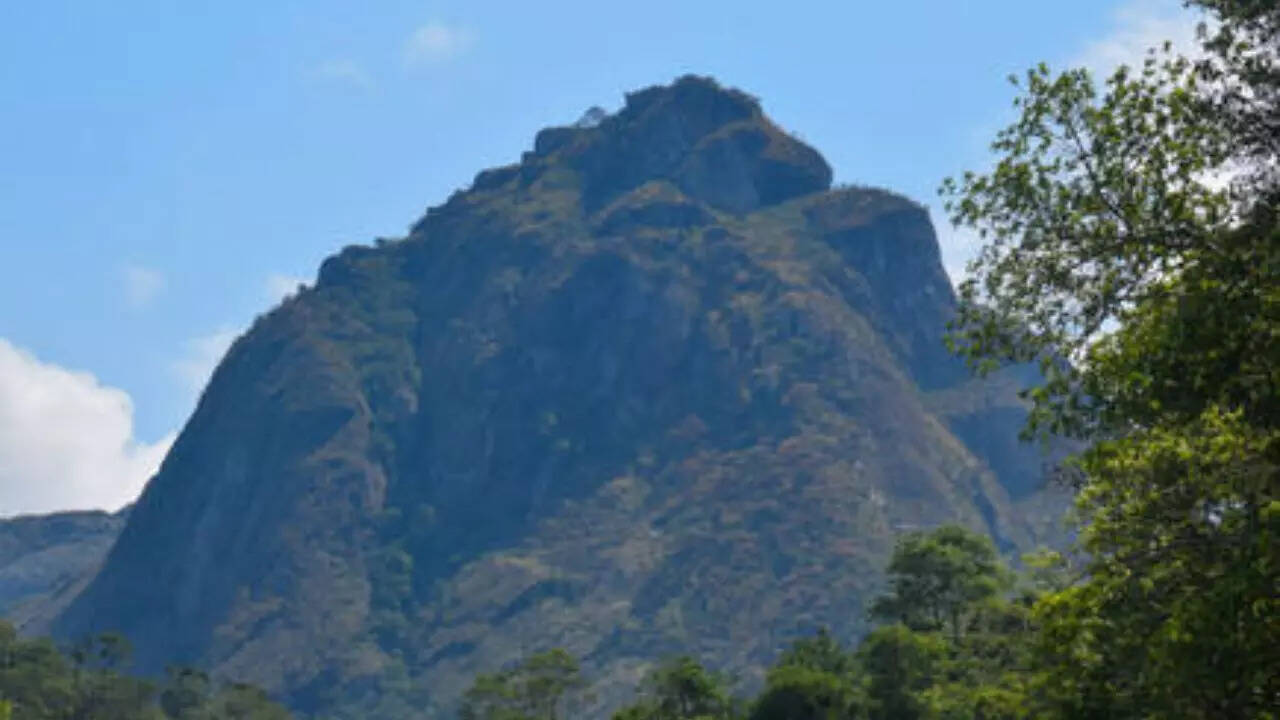
Forest Research Institute Park (Malaysia)
Source: UNESCO
As per UNESCO official reports, FRIM, founded in 1929, is a botanical research haven near Kuala Lumpur. It combines colonial‑era architecture with lush tropical forests and early conservation efforts—making it a model of urban biodiversity and environmental education.

Funerary Tradition, Prehistoric Sardinia (Italy)
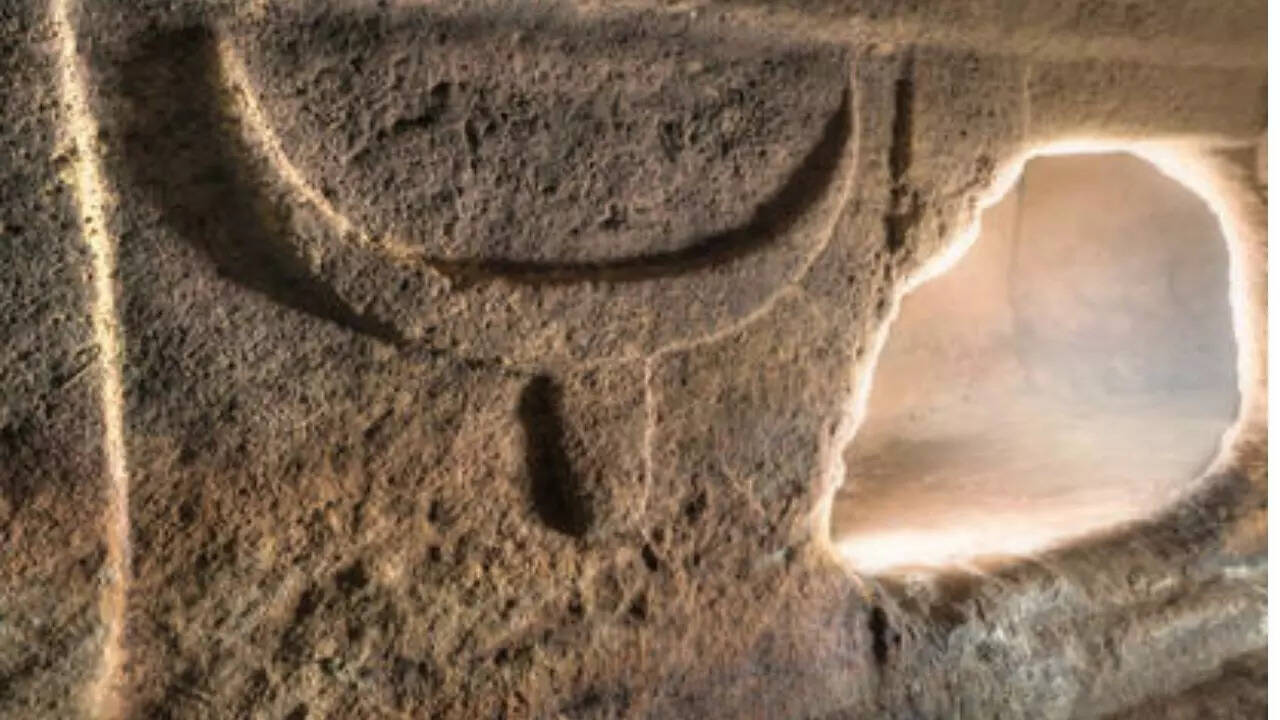
Funerary Tradition, Prehistoric Sardinia (Italy)
Source: UNESCO
Sardinia’s rock‑cut tombs—Giants’ Tombs and domus de janas—date to the Bronze Age. Carved into limestone cliffs, they reflect ancient burial traditions, illustrating early Sardinian ritual culture and impressive prehistoric craftsmanship.

Maratha Military Landscapes (India)

Maratha Military Landscapes (India) ​
Source: UNESCO
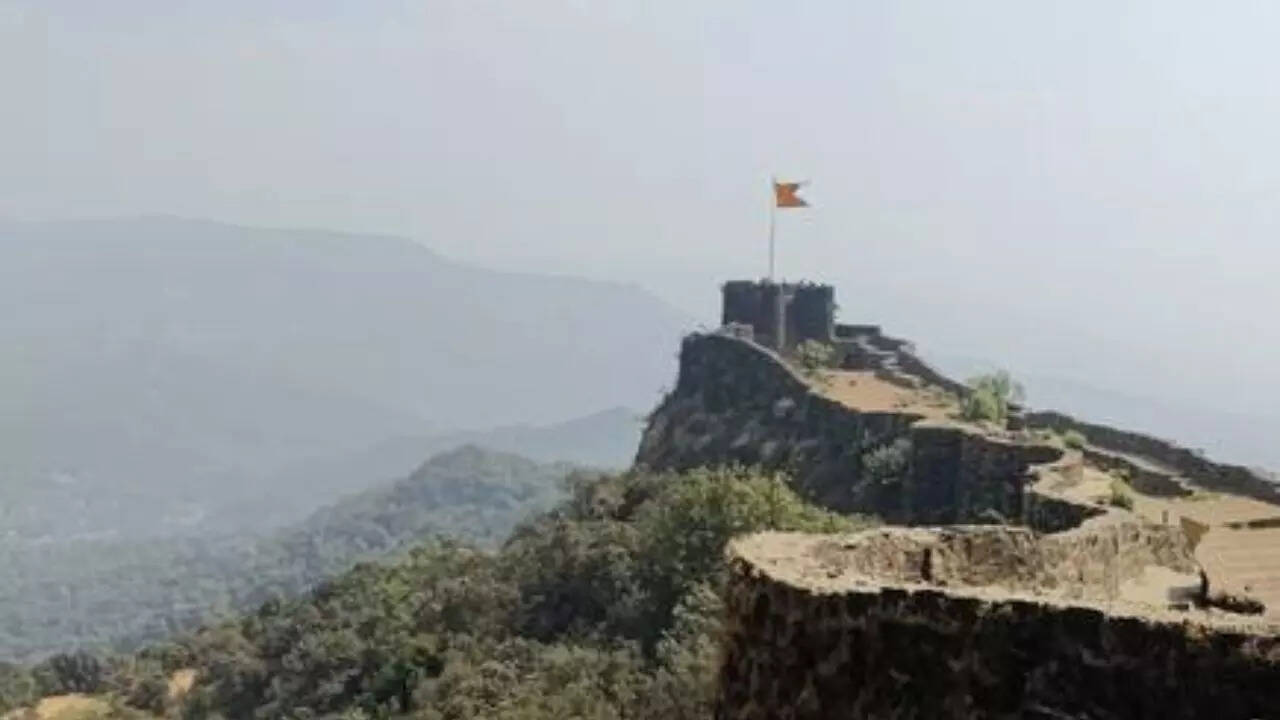
A network of twelve forts—including Raigad, Shivneri, and Gingee—spread across Maharashtra and Tamil Nadu. Built between the 17th–19th centuries,they showcase Maratha military strategy, adaptive architecture, and regional defence innovations, marking a crucial period in Indian history.

Megaliths of Carnac (France)

Megaliths of Carnac (France)
Source: UNESCO
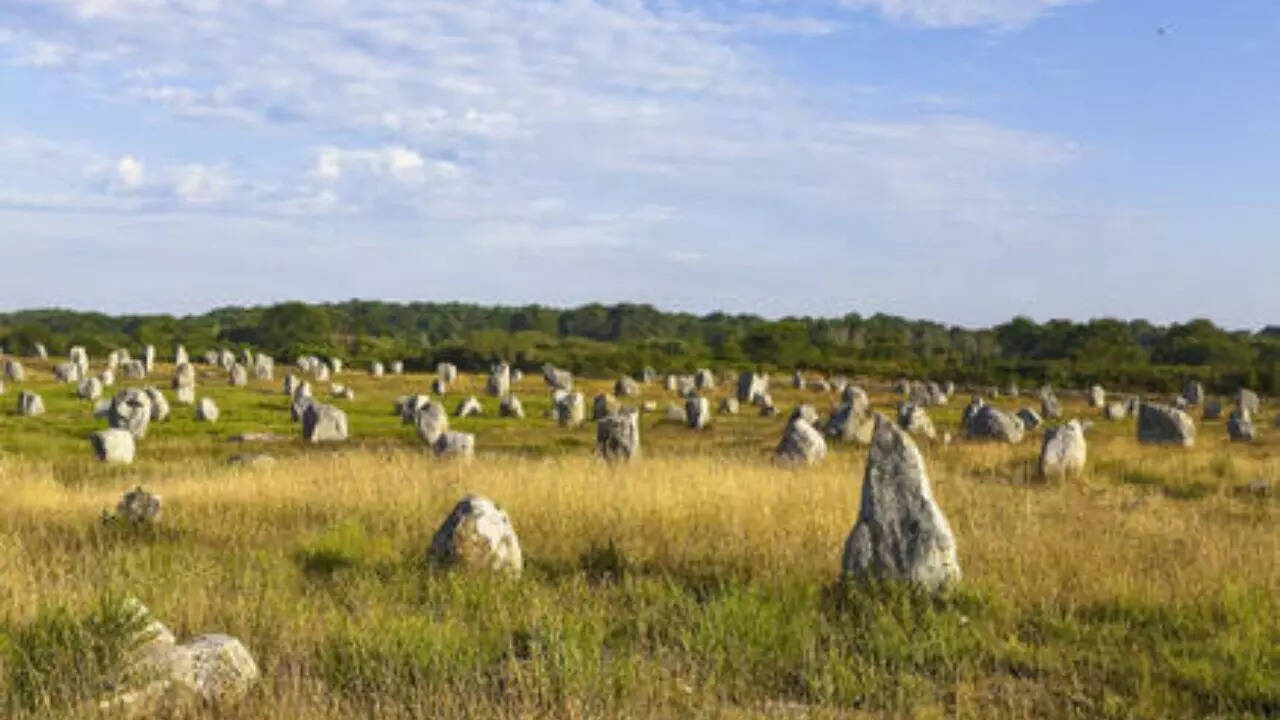
Home to over 3,000 Neolithic standing stones, dolmens, and burial mounds from 4500–3300 BCE. Carnac is one of the world’s largest prehistoric megalith complexes, offering archaeological and astronomical insights into ancient European society.

Minoan Palatial Centres (Greece)

Minoan Palatial Centres (Greece)
Source: UNESCO
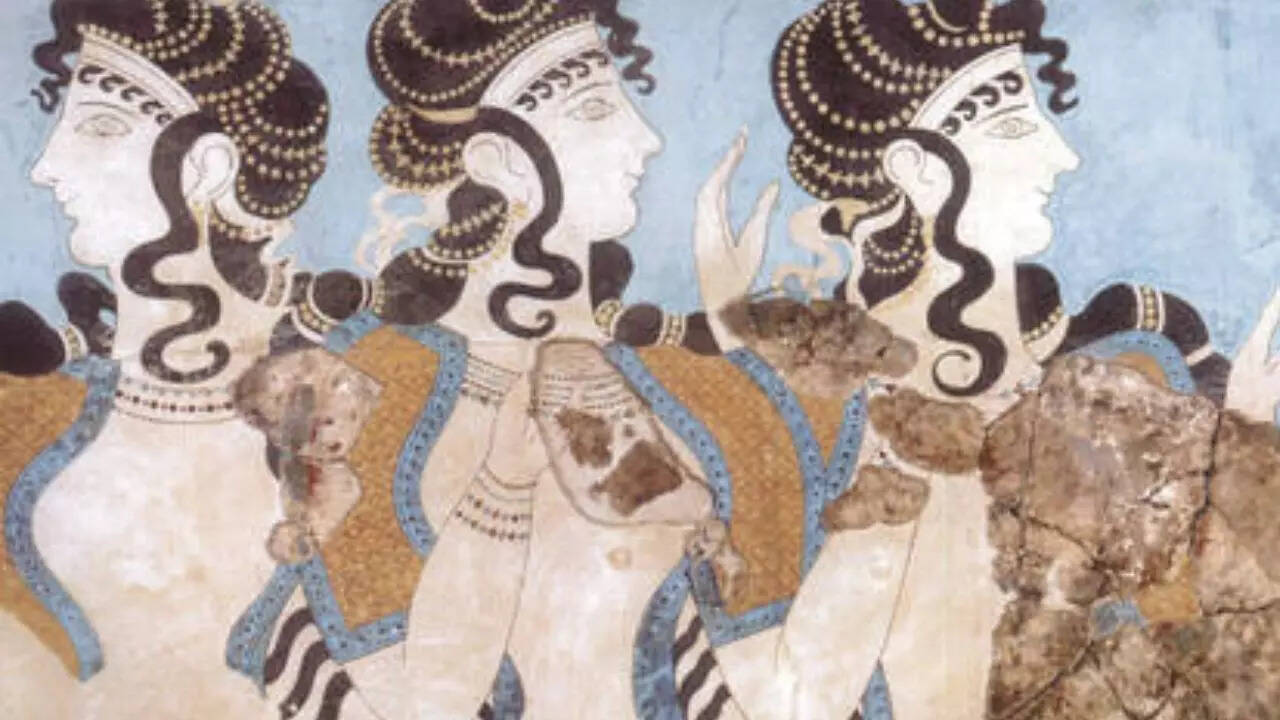
Including Knossos and Phaistos, these Bronze‑Age palaces feature advanced architecture, frescoed walls, drainage systems, and ceremonial spaces. They epitomize the cultural sophistication of the Minoan civilization on Crete between 2000–1400 BCE.

Mount Mulanje Cultural Landscape (Malawi)
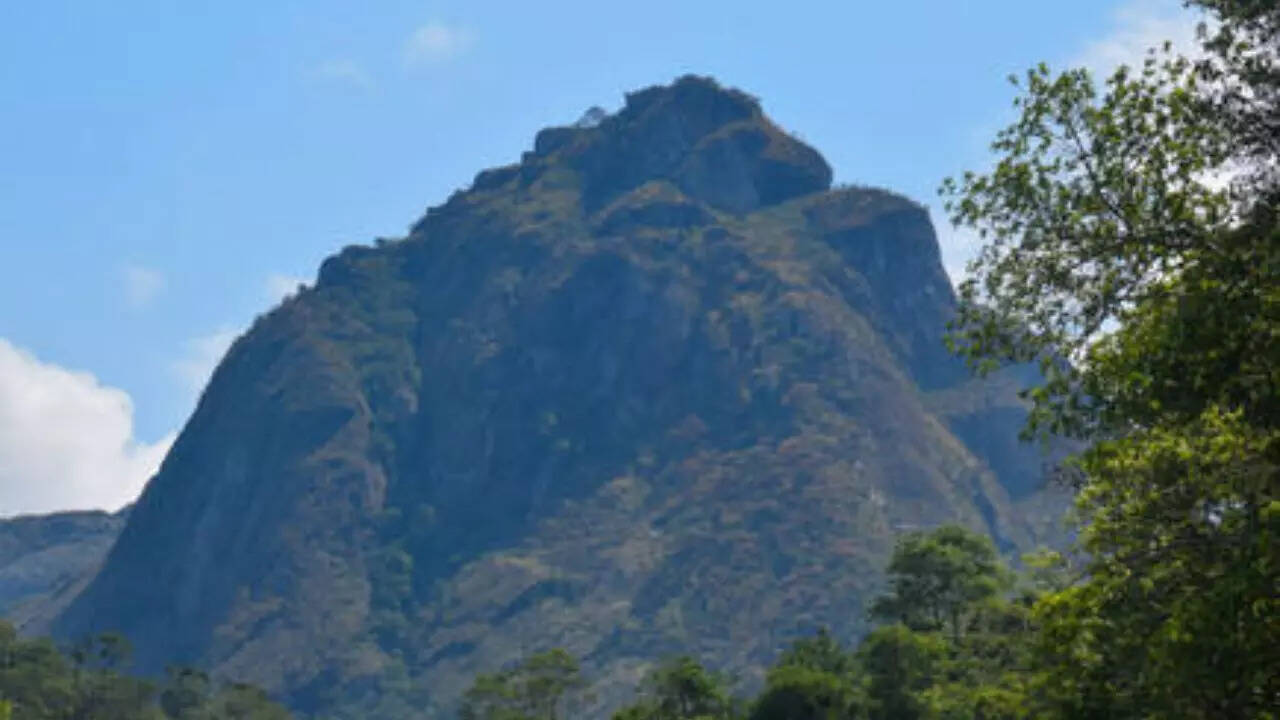
Mount Mulanje Cultural Landscape (Malawi)
Source: UNESCO
As per UNESCO reports, Mount Mulanje combines sacred peaks over 3,000 m with ritual forests and sacred water sources. Local communities regard it as spiritually significant, blending biodiversity conservation with ancestral cultural traditions.

Murujuga Cultural Landscape (Australia)
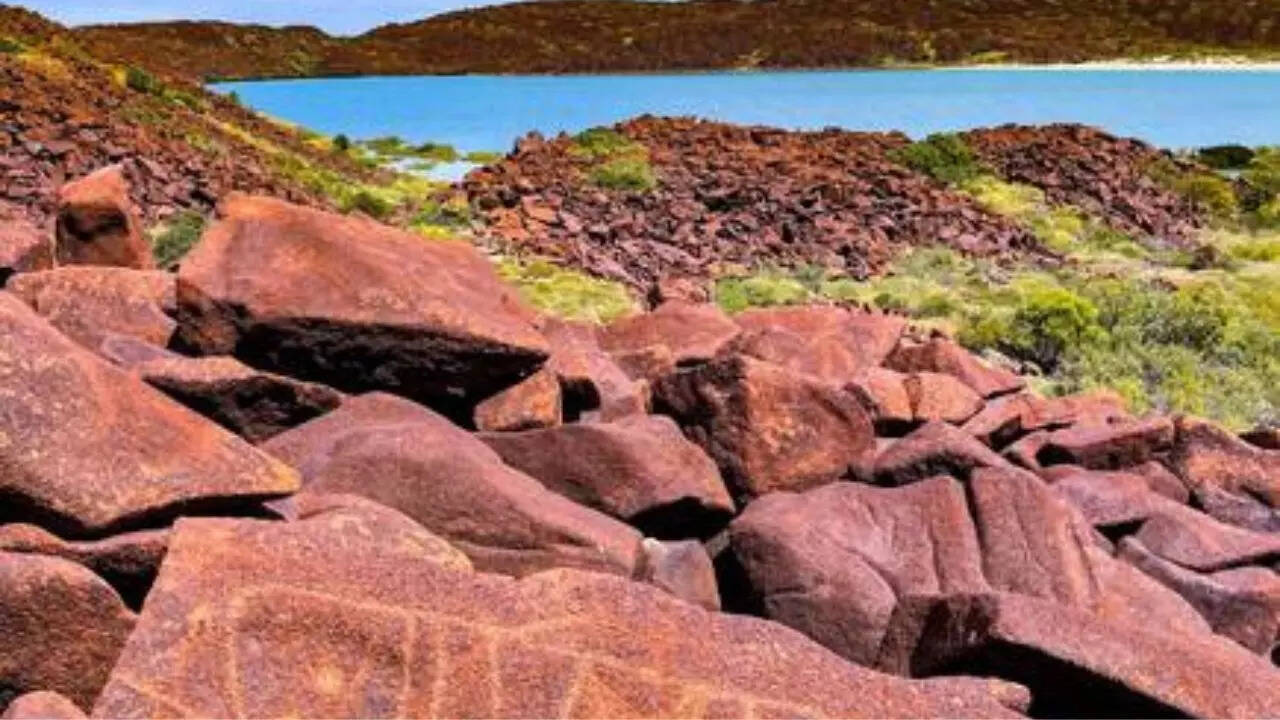
Murujuga Cultural Landscape (Australia)
Source: UNESCO
Located on Burrup Peninsula, this site preserves over a million Aboriginal rock engravings depicting marine life and ancestral stories. It’s the world’s largest petroglyph collection and a living testament to Indigenous heritage.

Petroglyphs along Bangucheon Stream (South Korea)
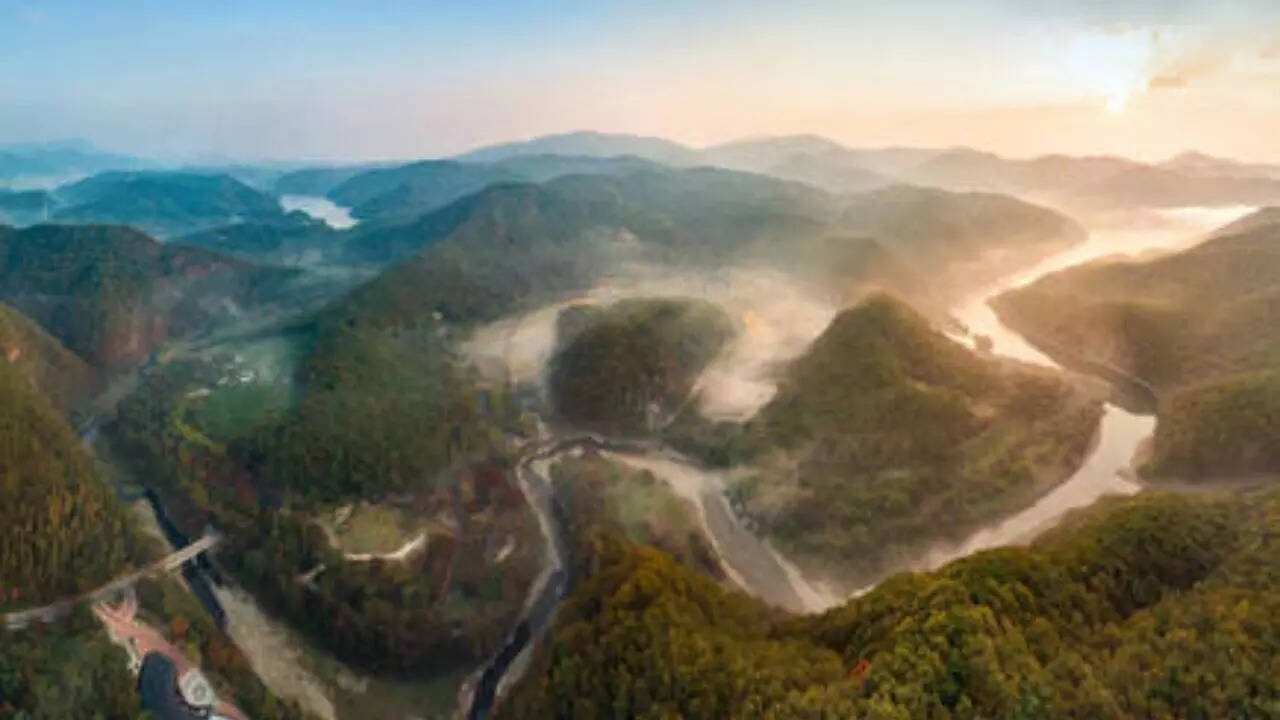
Petroglyphs along Bangucheon Stream (South Korea)
Source: UNESCO
Riverside rock carvings from the Bronze Age depicting deer, humans, and geometric motifs. These engravings provide rare insights into ritual symbolism and prehistoric social life in the Korean Peninsula.

Rock Paintings of Shulgan‑Tash Cave (Russia)
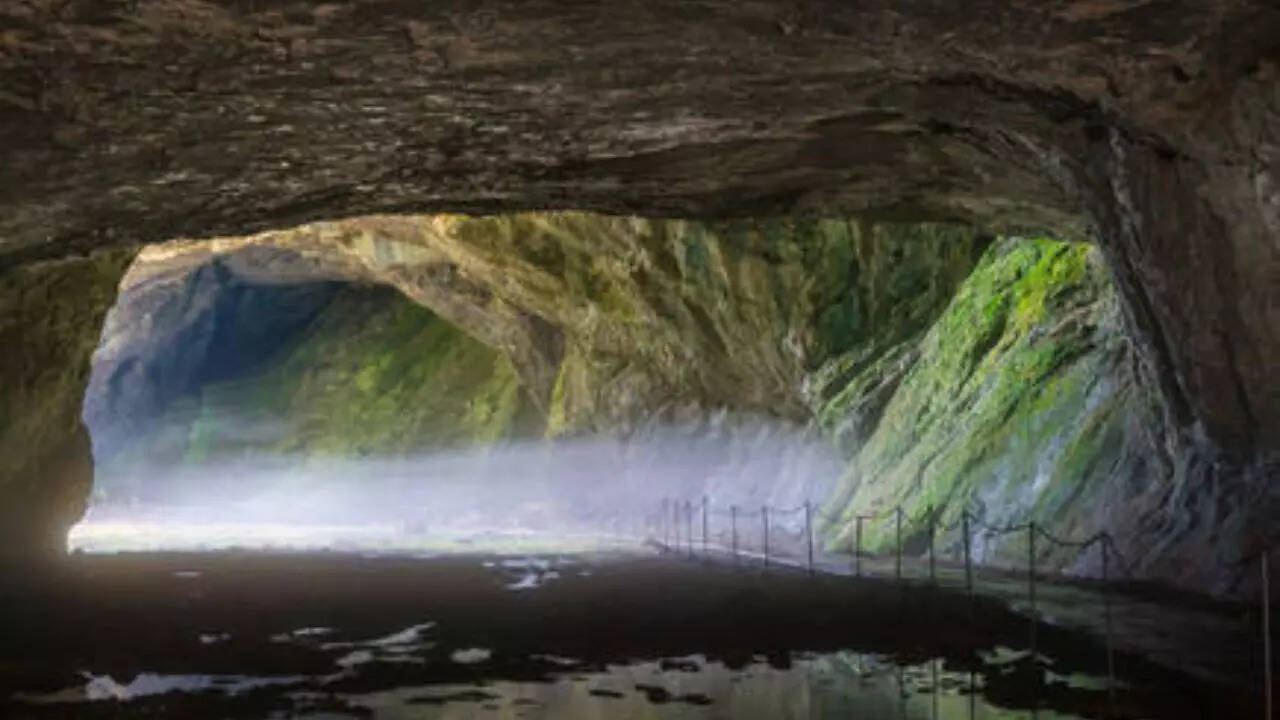
Rock Paintings of Shulgan‑Tash Cave (Russia)
Source: UNESCO
These Ice‑Age cave paintings in the southern Urals feature ancient depictions of animals and abstract symbols, dating back 14,000 years. They offer an invaluable window into early human art and spirituality.

Sardis & Lydian Tumuli of Bin Tepe (Türkiye)
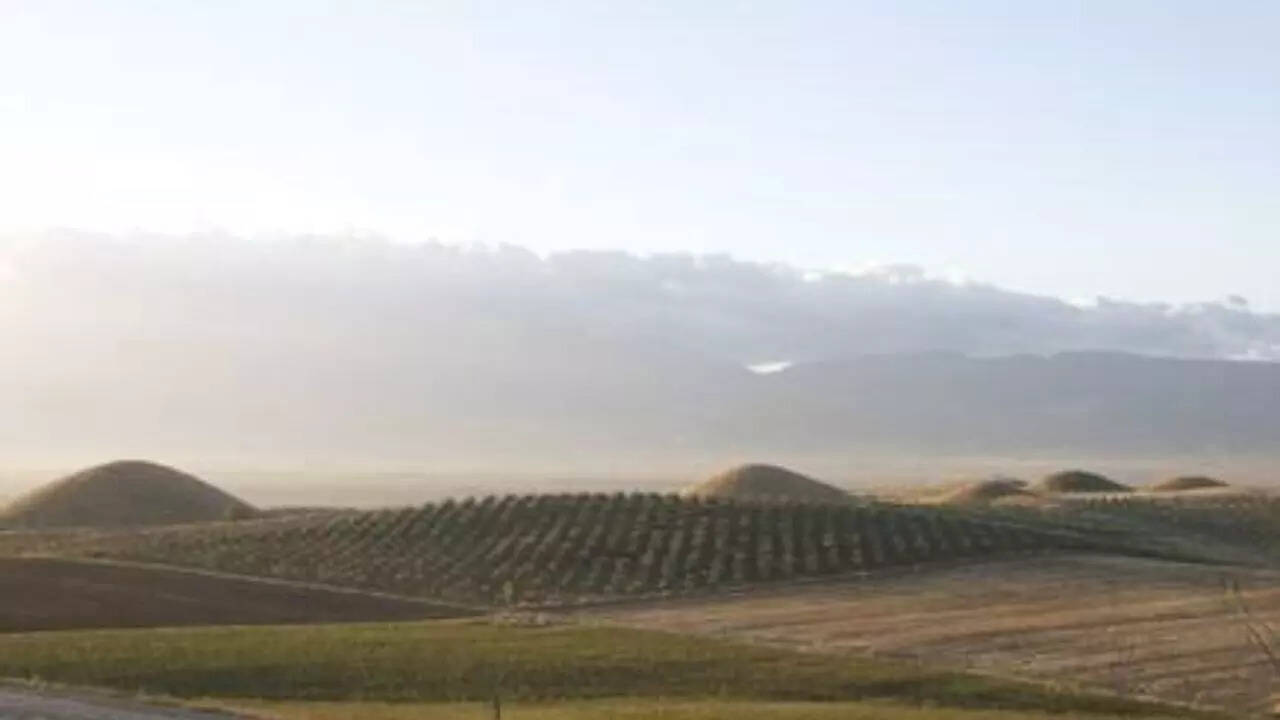
Sardis & Lydian Tumuli of Bin Tepe (Türkiye)
Source: UNESCO
Near ancient Sardis, this site includes monumental burial tumuli and urban remains.UNESCO underlines how it reflects royal Lydian funerary traditions and highlights the region’s significance in Iron Age Anatolian history.

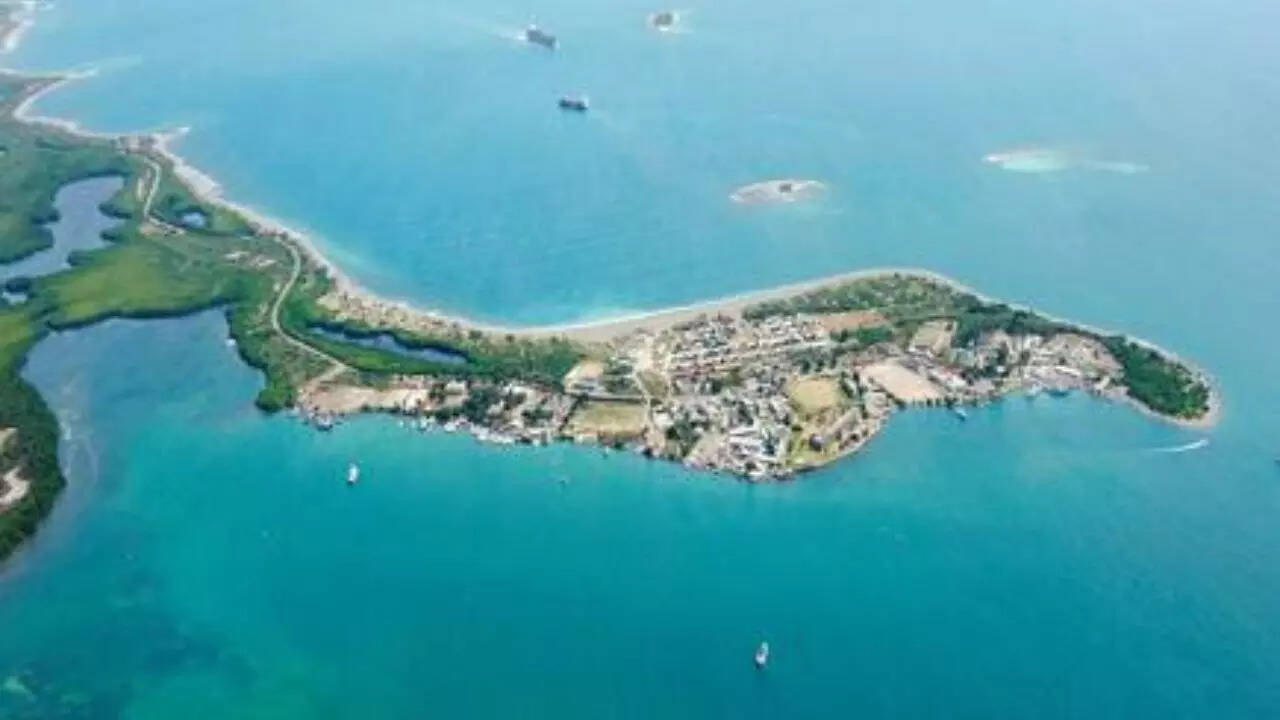
17th‑Century Port Royal (Jamaica)

17th‑Century Port Royal (Jamaica)
Source: UNESCO
Once a notorious pirate haven, Port Royal was rich in colonial architecture and seafaring culture. Devastated by the 1692 earthquake, its submerged ruins preserve a dramatic chapter of Caribbean colonial life.

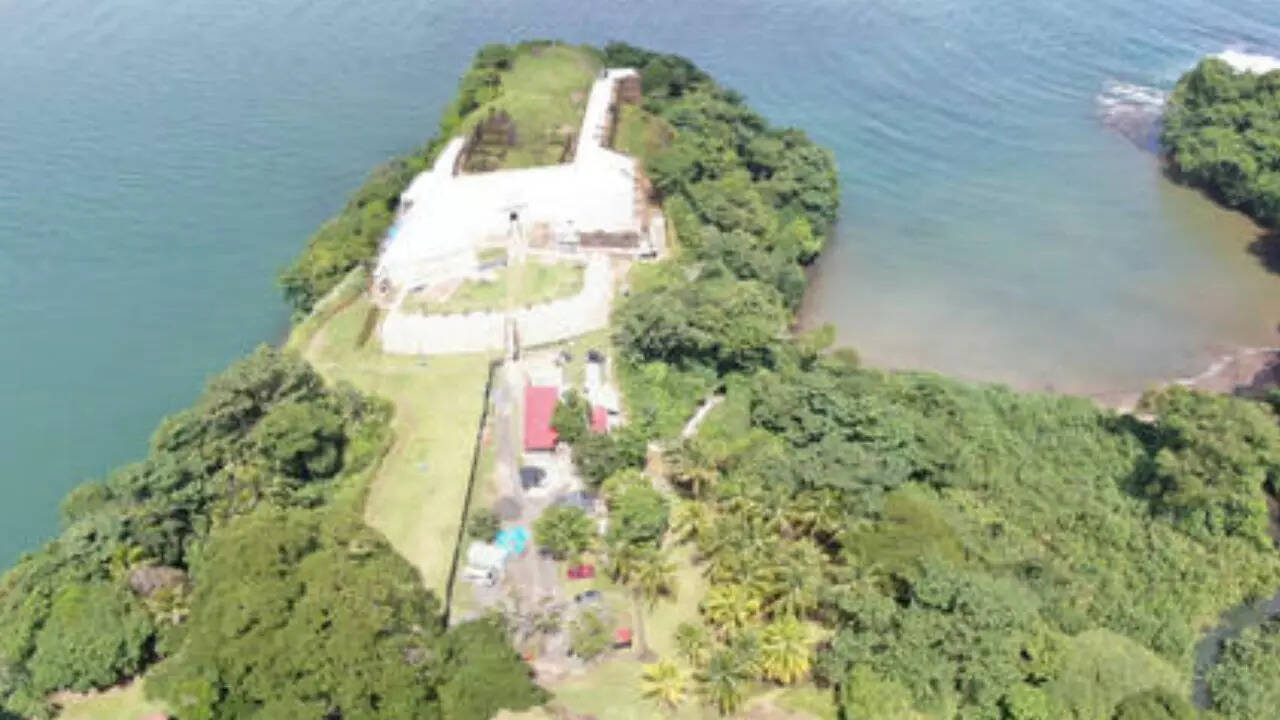
Colonial Transisthmian Route (Panama)

Colonial Transisthmian Route (Panama)
Source: UNESCO
Stretching across the Isthmus of Panama, this historic route includes colonial roads, mule trails, and ports. It served early global transit between the Caribbean and Pacific, symbolising early trade and conquest.

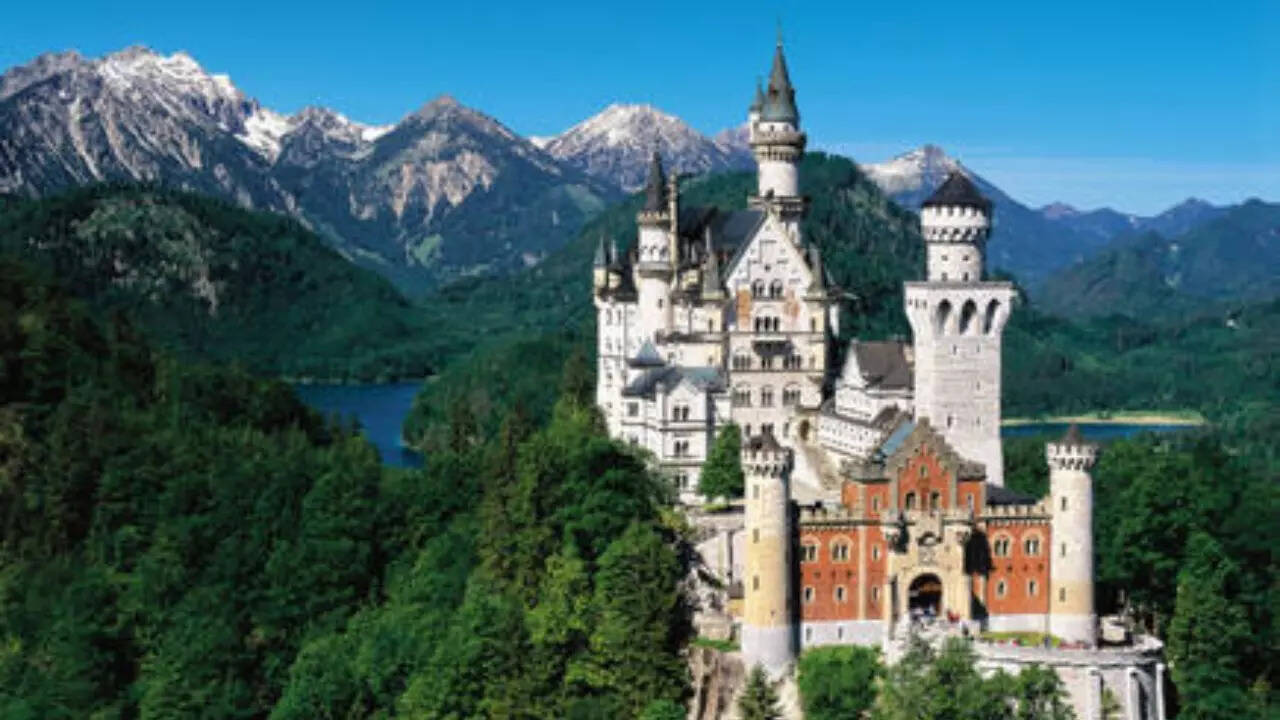
Palaces of King Ludwig II (Germany)

Palaces of King Ludwig II (Germany)
Source: UNESCO
Three 19th‑century Bavarian palaces—Neuschwanstein, Linderhof, and Herrenchiemsee—blend romantic aesthetics, technological daring, and fairy‑tale grandeur. They embody King Ludwig II’s artistic vision and architectural extravagance.

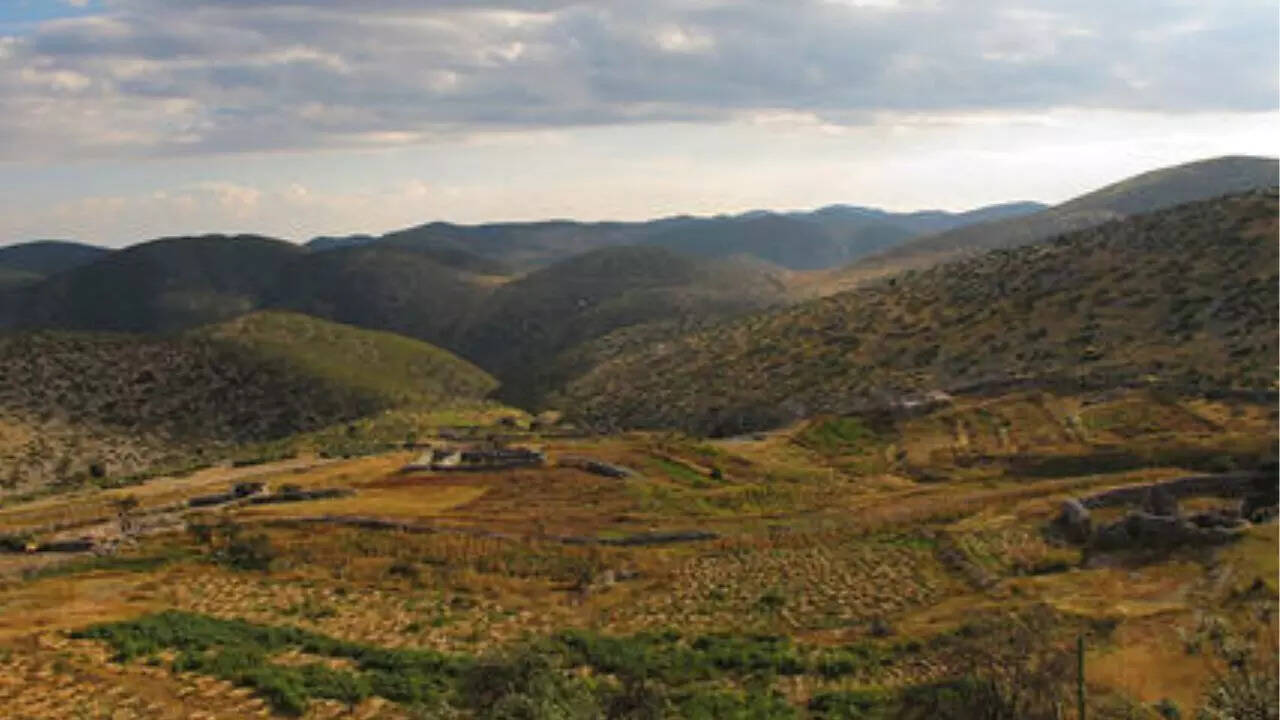
Prehistoric Sites of Khorramabad Valley (Iran)
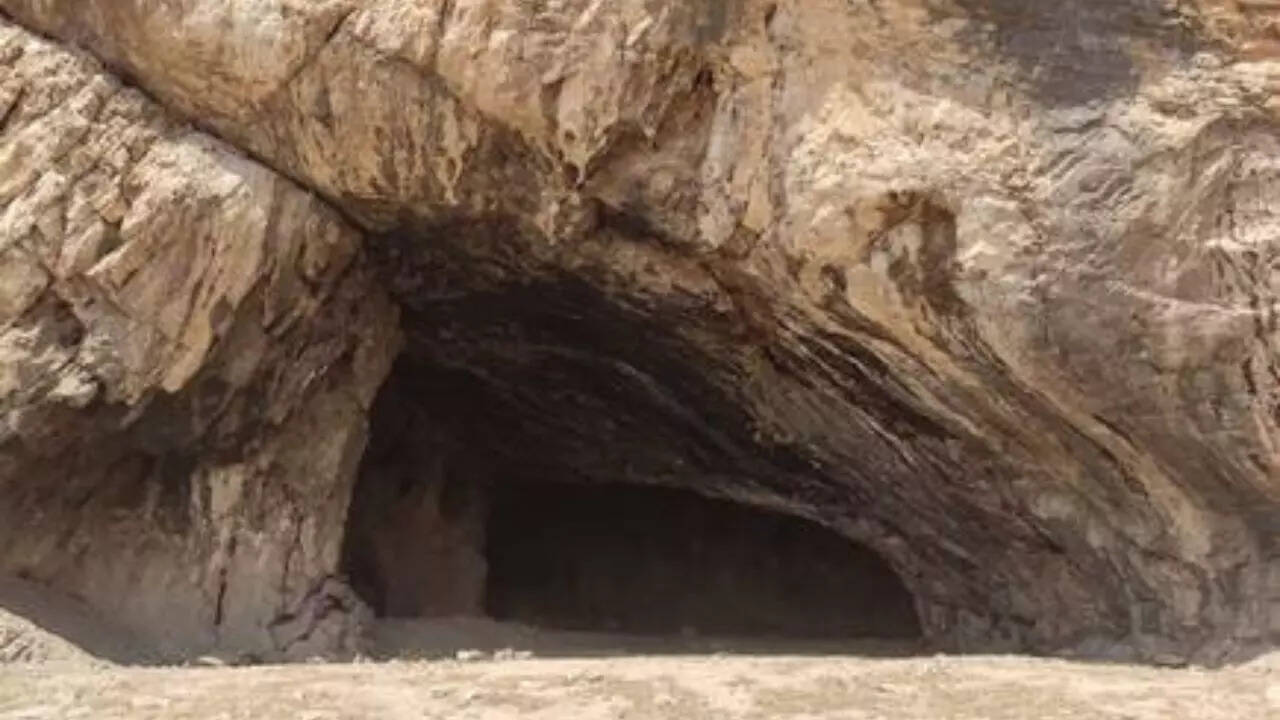
Prehistoric Sites of Khorramabad Valley (Iran)
Source: UNESCO
According to UNESCO reports,this valley holds Bronze‑to‑Iron Age forts, necropolises, and rock‑cut tombs in western Iran. It reveals early fortified settlements and fortified architecture from ancient highland communities.

Wixarika Route to Wirikuta (Mexico)

Wixarika Route to Wirikuta (Mexico)
Source: UNESCO
A sacred pilgrimage path for the Wixarika (Huichol) people, leading to the desert site of Wirikuta. This route supports peyote rituals, spiritual journeying, and Indigenous cultural continuity.

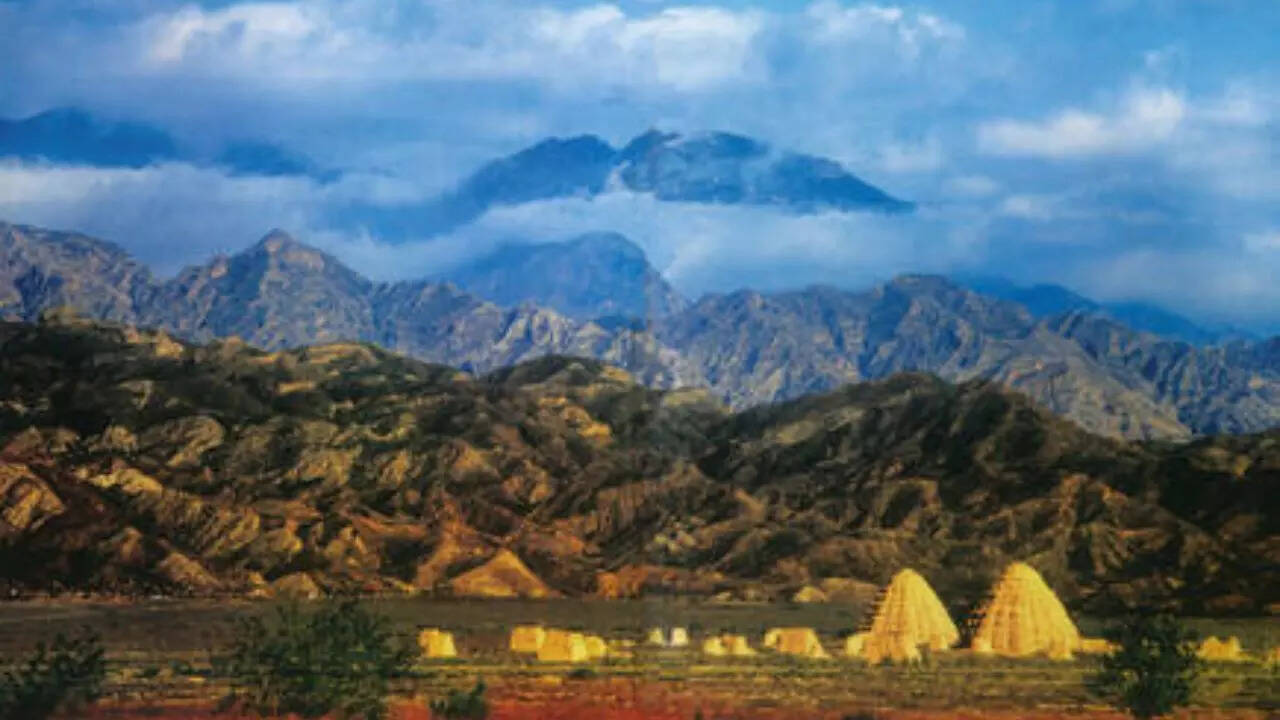
Xixia Imperial Tombs (China)

Xixia Imperial Tombs (China)
Source: UNESCO
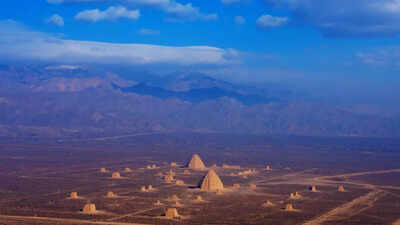
Near Yinchuan, these 11th–13th century mausoleums of the Tangut-led Xixia dynasty reveal sophisticated funerary architecture and a fusion of Buddhist rituals and regional power expressions.

Yen Tu‑Vinh Nghiem‑Con Son Complex (Vietnam)
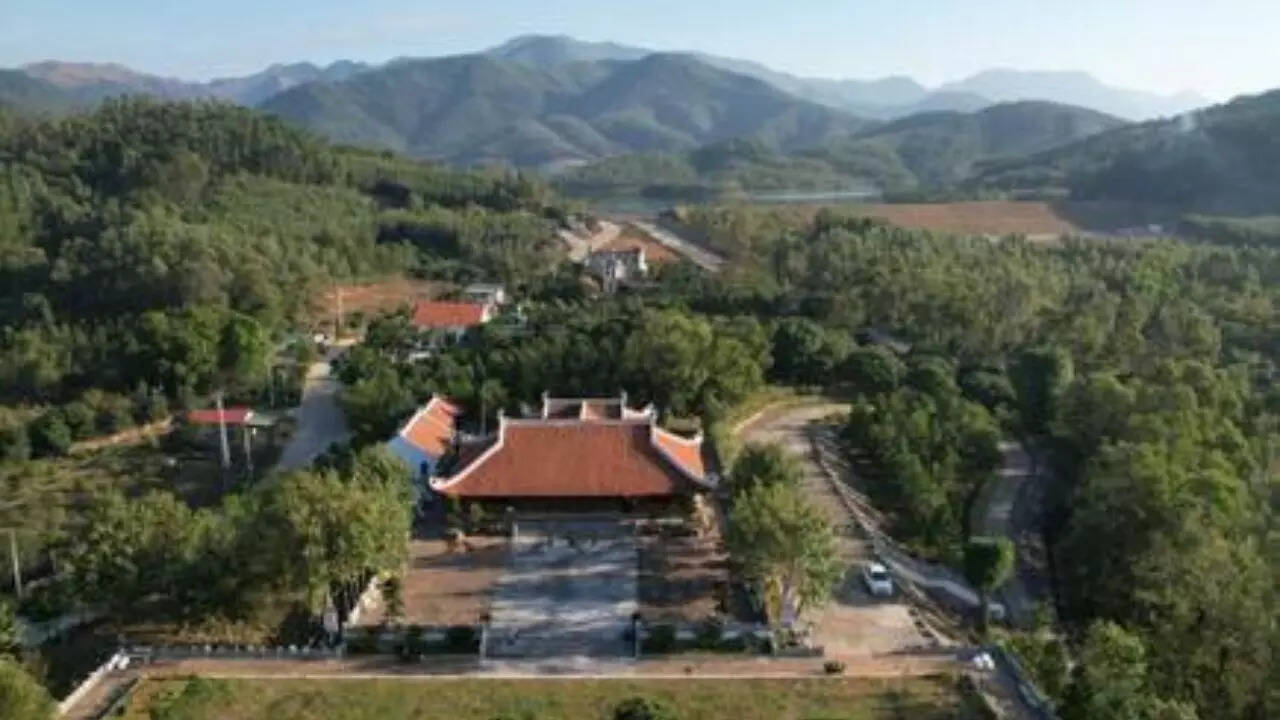
Yen Tu‑Vinh Nghiem‑Con Son Complex (Vietnam)
Source: UNESCO
A revered Buddhist landscape on Yen Tu Mountain, featuring temples, pagodas, and pilgrimage trails built between the 14th–18th centuries. UNESCO highlighted how it’s central to Vietnam’s spiritual heritage and medieval religious architecture.

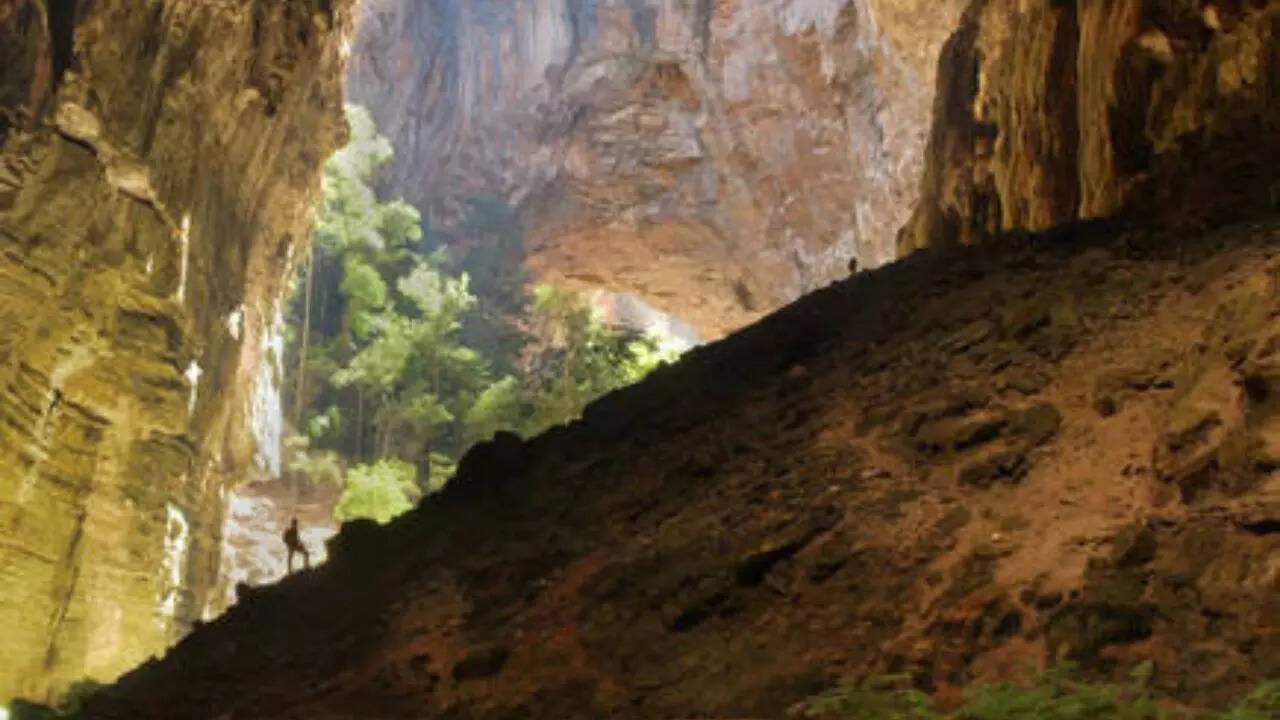
Cavernas do Peruaçu National Park (Brazil)
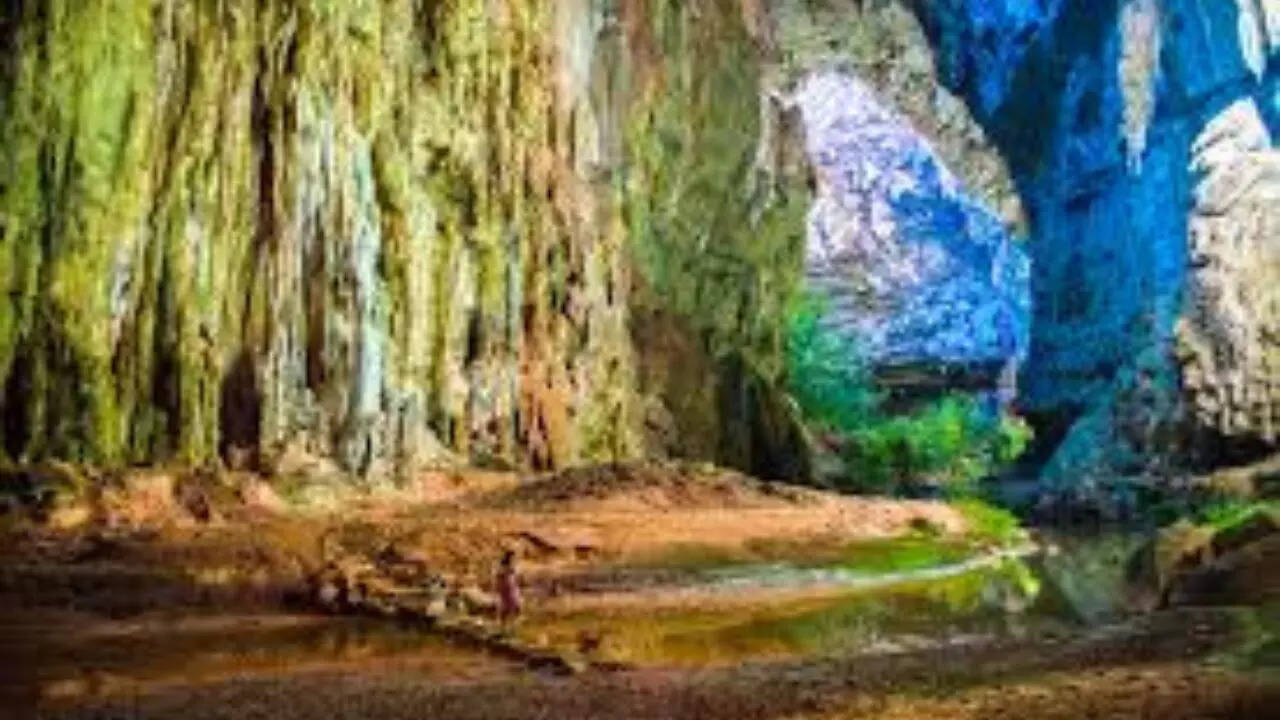
Cavernas do Peruaçu National Park (Brazil)
Source: UNESCO
This natural site combines vast limestone caves with prehistoric rock art and biodiversity-rich forests. Its geological formations and rare artworks represent both ecological and archaeological value.

Coastal & Marine Ecosystems of Bijagós (Guinea‑Bissau)
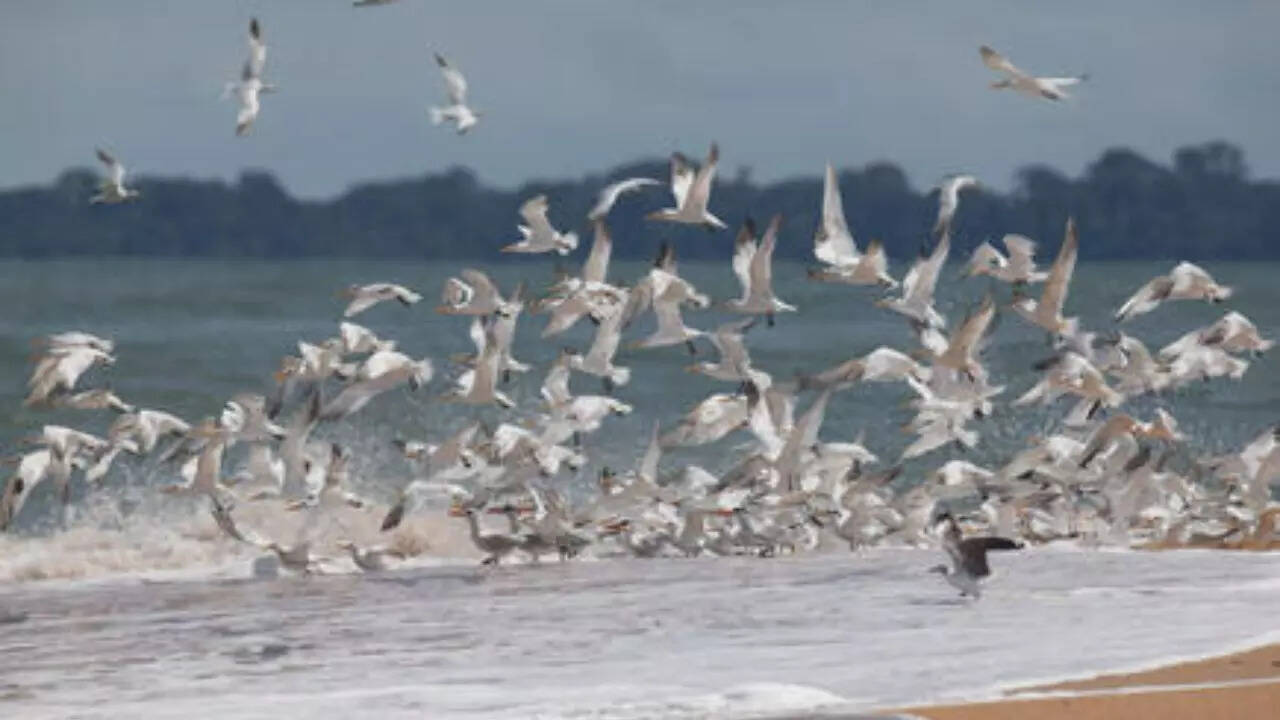
Coastal & Marine Ecosystems of Bijagós (Guinea‑Bissau)
Source: UNESCO
An unspoiled archipelago of mangroves, sandbanks, and coastal wetlands. UNESCO reports that it supports endangered species such as manatees and serves as a key migratory bird habitat, revered for its ecological significance.

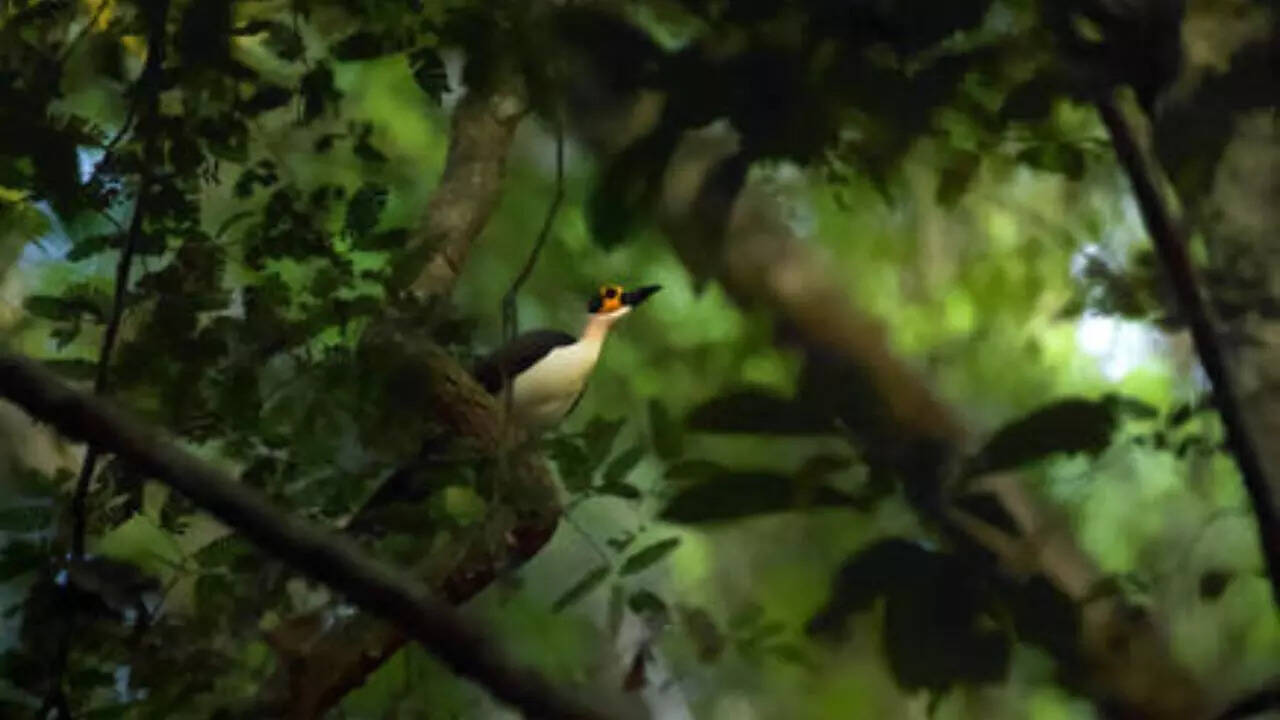
Gola‑Tiwai Complex (Sierra Leone)

Gola‑Tiwai Complex (Sierra Leone)
Source: UNESCO
A rainforest corridor linking Gola Forest and Tiwai Island. This biodiversity hotspot shelters endangered species like chimpanzees and pygmy hippos and highlights community-led conservation efforts.

Peruaçu River Canyon (Brazil)

Peruaçu River Canyon (Brazil) ​
Source: UNESCO
Known for its rugged canyons, waterfalls, and endemic biodiversity. Its unique riverine landscape sustains diverse cerrado ecosystems and preserves both scenic and ecological importance.

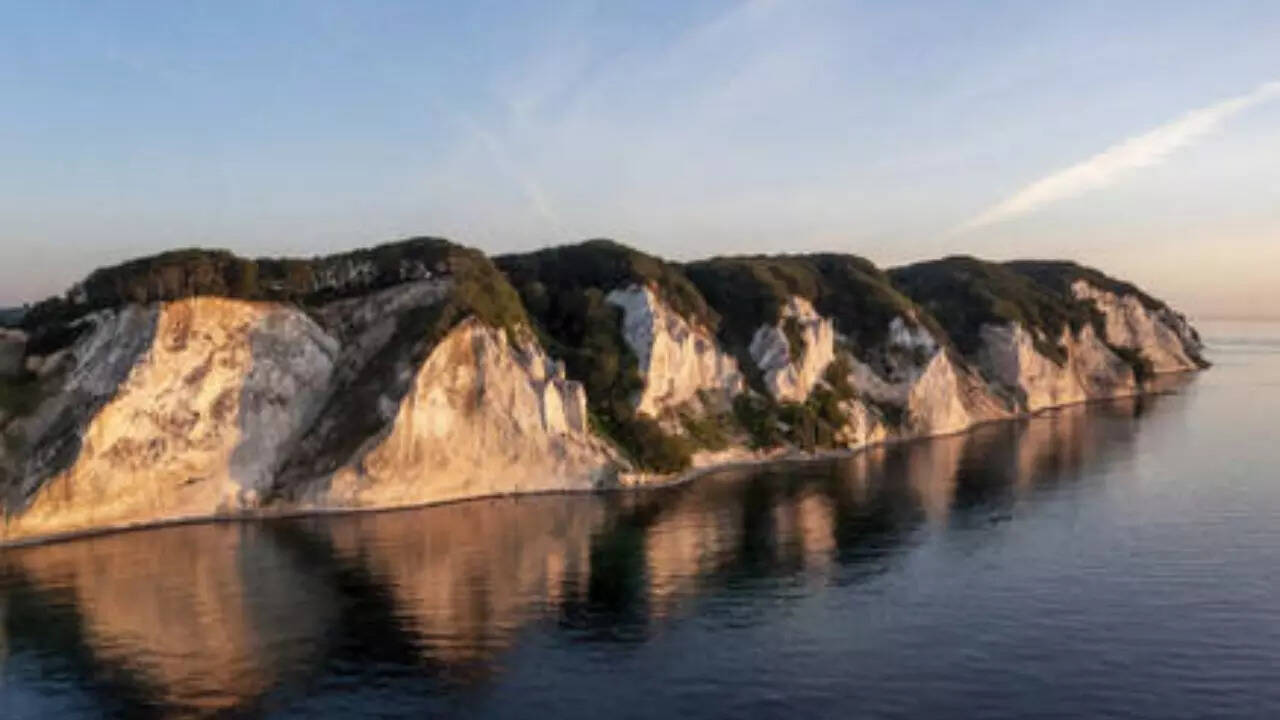
Møns Klint Chalk Cliffs (Denmark)

Møns Klint Chalk Cliffs (Denmark)
Source: UNESCO

Dramatic white chalk cliffs along the Baltic Sea, rich in Cretaceous‑era fossils. Their steep escarpments and delicate flora make them a geological marvel and scenic coastal treasure.Also read| Germany’s iconic and most-visited fairytale castle is now officially a UNESCO World Heritage Site

author
About the Author
TOI Lifestyle Desk

The TOI Lifestyle Desk is a dynamic team of dedicated journalists who, with unwavering passion and commitment, sift through the pulse of the nation to curate a vibrant tapestry of lifestyle news for The Times of India readers. At the TOI Lifestyle Desk, we go beyond the obvious, delving into the extraordinary. Consider us your lifestyle companion, providing a daily dose of inspiration and information. Whether you're seeking the latest fashion trends, travel escapades, culinary delights, or wellness tips, the TOI Lifestyle Desk is your one-stop destination for an enriching lifestyle experience.

End of Article
Follow Us On Social Media

Tired of too many ads?go ad free now