
- News
- lifestyle
- travel
- things-to-do
- 6 living tiger subspecies and where you can see them in the wild
6 living tiger subspecies and where you can see them in the wild
6 living tiger subspecies and where you can see them in the wild
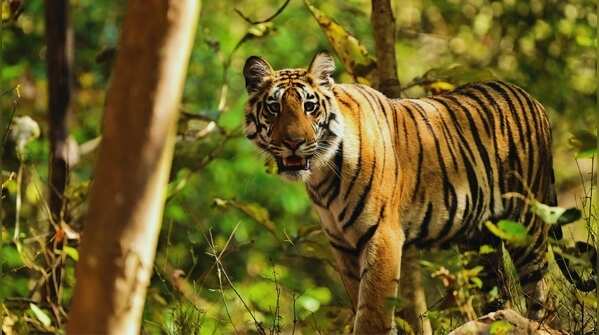
Tigers, the largest of the big cats, used to inhabit the entire expanse of Asia from Eastern Turkey to the Russian Far East and down to Indonesia. Today, their habitat has contracted significantly, and only six subspecies of tigers survive in the wild. Each of these subspecies is specially adapted to its environment, whether it is snowy forests, the jungles of the tropics, or the mangroves. For the wildlife enthusiast and responsible tourist, the thrill of catching a glimpse of these magnificent animals in their wild habitat is one of the greatest thrills on the face of the Earth.
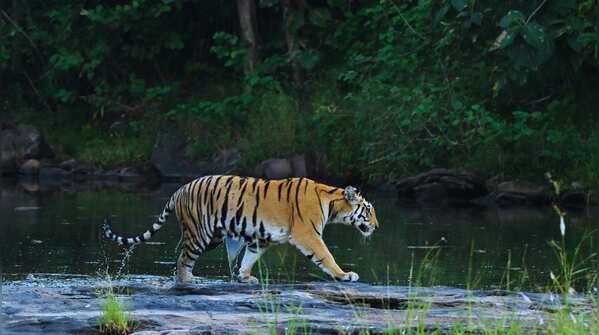
Bengal tiger - India, Nepal, Bhutan, Bangladesh
The Bengal tiger is the most abundant and widely distributed of all the subspecies, accounting for the majority of the world’s wild tiger population. Famous for its striking orange color with bold black stripes, this tiger inhabits a range of environments, from dense forests to grasslands, to mangrove swamps. The best place to spot a Bengal tiger is in India, with Ranthambore National Park, Bandhavgarh National Park, and Jim Corbett National Park being some of the best reserves to spot them. If you want a slightly different experience, try Sundarbans National Park, where you might spot a tiger adapted to a semi-aquatic way of life.

Siberian tiger - Russian Far East
Also known as the Amur tiger, this is the largest of the tiger subspecies, designed to thrive in freezing temperatures. It has a thicker coat, a lighter color, and fewer stripes, which are perfect for the snowy forests of eastern Russia. The Russian Far East is where you will find them, with a number of protected areas, including the Sikhote-Alin Biosphere Reserve. Seeing one of these magnificent creatures in the wild is extremely rare, so this is a conservation success story rather than a wildlife tourist attraction.
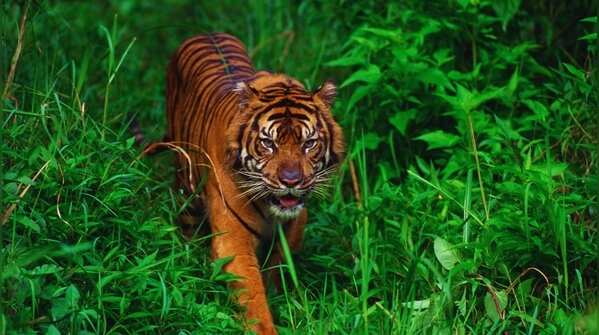
Sumatran Tiger - Indonesia
This is the smallest of the tigers and is considered critically endangered. It has a darker color and more dense stripes compared to other tigers. This helps the Sumatran tiger survive in the dense rainforests of Sumatra. They have been spotted in areas such as the Bukit Barisan Selatan National Park and the Gunung Leuser National Park.

Malayan Tiger - Malaysia
This tiger is known to inhabit the dense rainforests of Malaysia. It is slightly smaller compared to the Bengal tiger but is a force to reckon with in the dense rainforests of Malaysia. It is known to inhabit the Taman Negara National Park. It is considered critically endangered.
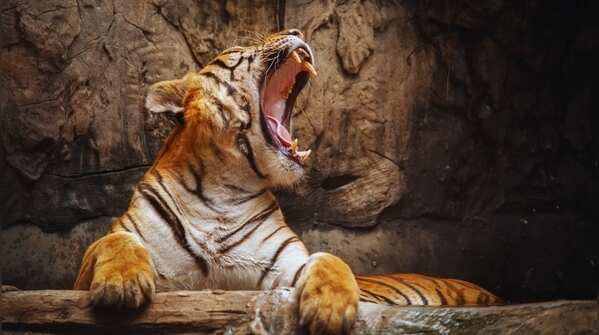
Indochinese tiger - Southeast Asia
The Indochinese tiger used to inhabit Thailand, Vietnam, Laos, Cambodia, and Myanmar. Now, its population is scattered, mainly found in Thailand and Myanmar. The largest population of Indochinese tigers is found in the Huai Kha Khaeng Wildlife Sanctuary, a UNESCO World Heritage Site. Nevertheless, just like other Southeast Asian tigers, sightings of Indochinese tigers are rare.
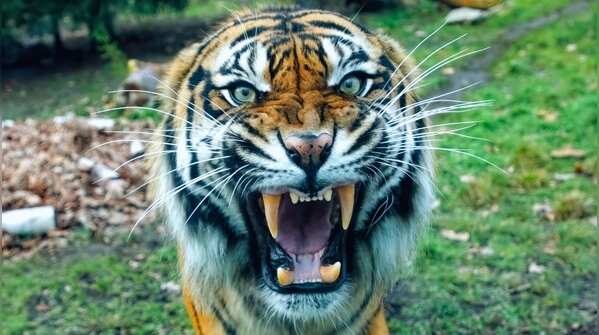
South China tiger - Functionally extinct in the wild
The South China tiger is functionally extinct in the wild, with no recorded sightings in recent decades. The species used to inhabit southern China, but conservation efforts are only implemented in captivity, mainly in China. The main challenge facing conservationists is to release captive-bred individuals into the wild.
Featured In lifestyle

MORE FROM ETIMES
life & style