
- News
- lifestyle
- travel
- things-to-do
- 5 best wildlife experiences that prove Rajasthan is more than forts and palaces
5 best wildlife experiences that prove Rajasthan is more than forts and palaces
5 best wildlife experiences that prove Rajasthan is more than forts and palaces
When one thinks of Rajasthan, one thinks of magnificent forts, majestic palaces, and golden deserts. However, what lies beyond the architectural splendor is a surprisingly varied landscape. While the forts and palaces of Rajasthan talk of kings and empires, the forests, rivers, wetlands, and deserts of the state talk of a completely different story altogether – one of survival, adaptation, and conservation. From tiger trails and leopard hills to crocodile rivers and desert grasslands, Rajasthan is a state that proves it is not only a cultural destination but also one of the most diverse wildlife destinations in India.
Here are five not-to-be-missed wildlife experiences that prove Rajasthan is more than just forts and palaces.

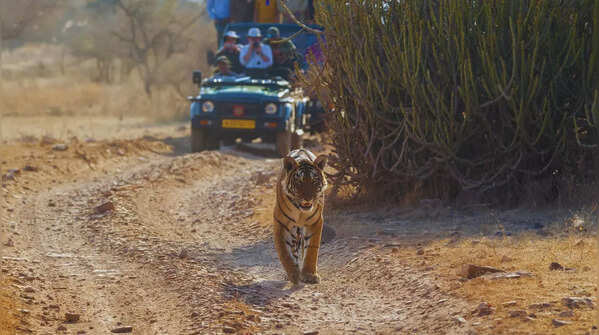
Tiger Safaris in Ranthambore National Park and Sariska Tiger Reserve
Ranthambore National Park, near Sawai Madhopur, is famous for the ancient fort ruins, lakes, and open grasslands that make tiger sightings quite frequent. The tigers in Ranthambore are famous for their bravery and have been photographed numerous times lazing along ancient stone walls or taking a refreshing dip in the Padam Talao.
Moving further north, Sariska Tiger Reserve, in the Aravalli Hills, offers a tougher and less crowded safari experience. Sariska was in the news for having lost its tiger population in the early 2000s but is now a success story in tiger conservation through translocation. These two reserves, together, mark Rajasthan’s preeminence in tiger conservation efforts in India.

Leopard tracking in Jhalana Leopard Reserve and Jawai Bandh
Jhalana Leopard Reserve, within the Jaipur municipal area, is one of the easiest places in India to spot leopards in the wild. The dry scrub forest and rocky landscape provide excellent sighting opportunities, often accessible within a short safari drive from the city center.
Further southwest, the granite hills surrounding Jawai Bandh in the Pali district provide a fascinating example of coexistence. Leopards in this region inhabit rocky caves in Rabari villages, and sightings can be had against the stunning backdrop of granite hills. Unlike other forest safaris, Jawai provides cinematic views of leopards roaming hills at sunrise or sunset. Together, Jhalana and Jawai redefine Rajasthan as a premier leopard destination.

River safaris in National Chambal Sanctuary
The Chambal River cuts through Rajasthan’s southeastern edge, creating one of India’s most important riverine ecosystems. Boat safaris in the National Chambal Sanctuary offer the chance to see critically endangered gharials basking along sandbanks. In contrast to common crocodiles, gharials possess long and thin snouts, which are ideal for fishing. You can also find mugger crocodiles, Gangetic river dolphins, turtles, and various migratory birds. The clean and undisturbed waters of the Chambal River make it one of the last remaining habitats for these ancient species of reptiles.

Bird Watching at Keoladeo National Park
Keoladeo National Park, a UNESCO World Heritage Site and also known as the Bharatpur Bird Sanctuary, is one of the best bird-watching spots in Asia. This former royal duck-shooting ground is now a thriving wetland habitat that supports hundreds of species of birds. During the winter season, migratory birds from Central Asia and Siberia migrate to this region in large numbers. Painted storks, pelicans, cranes, and birds of prey are some of the common species found here. Unlike other national parks, Keoladeo can be traversed on foot, by bicycle, or by cycle-rickshaw.

Desert wildlife at Desert National Park
Rajasthan’s Thar Desert is far from lifeless. The Desert National Park, near Jaisalmer, protects one of India’s most fragile desert ecosystems. This park is one of the last remaining habitats of the critically endangered Great Indian Bustard, one of the heaviest flying birds in the world. Though sightings are rare, the park remains central to conservation efforts. You may also spot chinkara (Indian gazelle), desert foxes, monitor lizards, and a surprising variety of desert-adapted birds. The stark landscapes of sand dunes and rocky outcrops offer a completely different wildlife experience from Rajasthan’s forested reserves.
Featured In lifestyle

MORE FROM ETIMES
life & style