
The economy-class survival guide: How to be comfortable on a long-haul flight
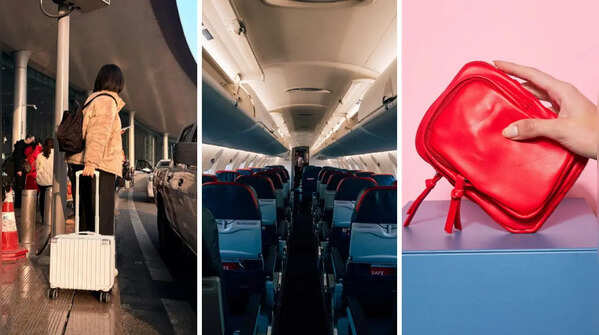
The economy-class survival guide: How to be comfortable on a long-haul flight
Anyone on a long flight will dread being stuck beside someone else between takeoff and landing, so they have all experienced stiff neck, dry skin, and difficulties finding an appropriate position due to reclined seats encroaching into your space. You don’t have to put yourself through a miserable test of endurance and suffering just because you are at miles away from home. By making some simple, strategic choices about how you book the flight and how you travel at a certain feet on it, you can arrive feeling refreshed, instead of completely exhausted. Implement these savvy travel strategies, including seat selection and hydration habits, to ensure comfort during long-haul journeys.
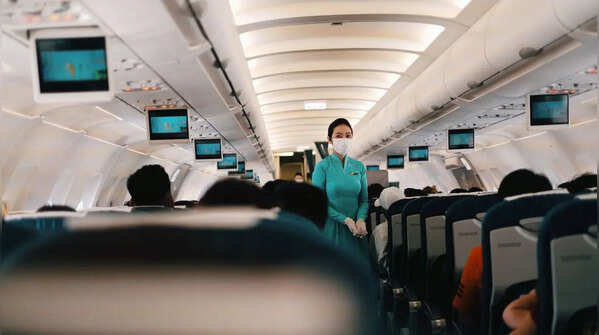
Strategise your seat selection
Your flight experience starts long before you board, with the selection of your seat being an important factor. The most significant type of seat is the aisle seat, allowing you to move freely whenever needed without disturbing those beside you. Alternatively, those in the bulkhead or exit row have a greater amount of legroom than those in the standard rows. Finally, it is best to avoid middle seats, which can make you feel cramped. If you have sensitivity to odours, it is wise to sit away from the lavatories; conversely, you should sit near the lavatories if you plan on using them frequently. Always check the airline's seating chart when purchasing your ticket to ensure you get the seat that best suits your comfort level.
PC: Canva
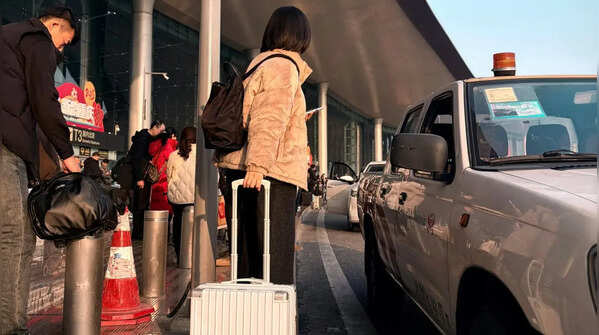
Prioritise comfort through proper attire
Your comfort level is the best way to fend off fatigue caused by flying for long distances. The best way to do this is by wearing clothes that are breathable and baggy so that you can accommodate the many different cabin temperatures of the flight. The cabin temperature can change from very cold to very hot when flying, so it is essential to wear layered clothing, as well. Wearing compression socks is important during long periods of sitting, as they will help to keep blood flowing properly to prevent swelling in your legs. Wear shoes that are easy to put on and take off when going through the security checkpoint and when adjusting your shoes at your seat mid-flight. By dressing specifically for sleep instead of fashion, you will have a significantly better chance at getting a good night's sleep while you are in a confined high-altitude environment.
PC: Canva
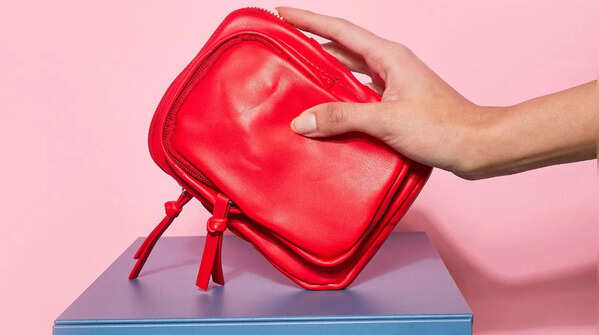
Curate a personal comfort kit
Bringing your own comfort kit can turn an uncomfortable flight environment into a tolerable environment that you can manage as a personal sanctuary. To help with support, it is a good idea to invest in a high-quality neck pillow; you can easily block out the bright cabin lights by using an eye mask; you can separate yourself from the plane engine noise by using noise-cancelling headphones, or using earplugs, both of which are needed to allow you to have a decent sleep period while you are flying; and you can bet that you will not arrive at your destination feeling completely parched by having lip balm and either a hydrating face mist or moisturizer as the air in the airplane cabin is extremely dry.
PC: Canva
Maintain circulation through frequent movement
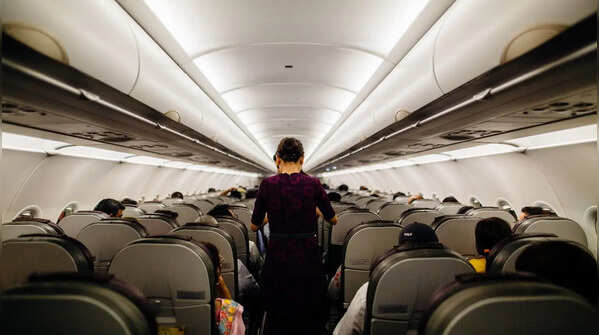
The biggest challenge for long-haul travellers will be the long periods of immobility. When you do not move your body for extended periods of time, your body tends to become stiff and uncomfortable. Every one to two hours, get up from your seat and walk up and down the aisle for 5 to 10 minutes as part of your routine to keep your blood circulating; in addition to this, you should do simple exercises like calf raises, toe taping and gentle circles with your ankles while sitting in your seat to help with the circulation in your legs. All of these methods assist with preventing deep vein thrombosis and not being completely worn out by the time you finally arrive at your destination.
PC: Canva

Prioritise hydration and nutrition
Quantity has a direct impact on the quality of sleep. Alcohol in any form will harm how quickly or well you sleep, as well as how quickly you feel awake again after you've slept; this is especially true because of the altitude you are travelling at. So instead of drinking alcohol throughout your flight, drink plenty of water throughout your entire trip. You might even want to add electrolytes to your water to help keep your body hydrated.
PC: Canva

Beat jet lag by syncing early
If you want to have the least amount of jet lag possible, the easiest way to do that is by adjusting your internal body clock ahead of time. Once you're on board, set your watch and phone to the local time of where you will land. As soon as you can, adjust your eating and sleeping schedule to coincide with the new time zone. This will help your body transition into your new circadian rhythm and give you much more energy once you arrive at the destination.
PC: Canva
Featured In lifestyle

MORE FROM ETIMES
life & style