
- News
- lifestyle
- travel
- destinations
- Why is it forbidden to climb these mountain peaks?
Why is it forbidden to climb these mountain peaks?
Why is it forbidden to climb these mountain peaks
For most adventurers, mountains represent a challenge, victory, and the experience of being on top of the world. However, around the world, there are mountains that are completely out of bounds for adventurers. This is not because they are too difficult to climb, but because they are considered sacred, sensitive, or fragile. In such areas, it is always best to practice restraint rather than achievement. Some of the most famous mountain peaks that are off-limits to adventurers are listed below.
Mount Kailash, Tibet (China)
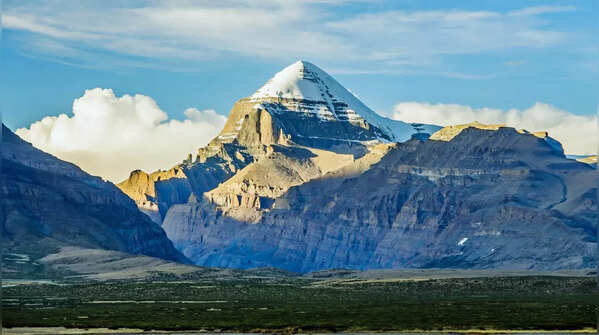
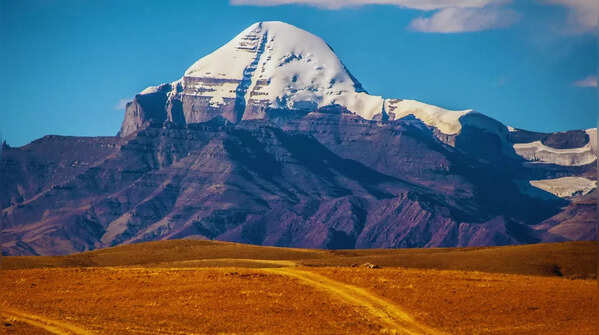
Mount Kailash is one of the holiest mountains in the world. It is a sacred site in Hinduism, Buddhism, Jainism, and Bon religions, each of which attributes it to some deep spiritual meaning. Hindus regard it as the dwelling place of Lord Shiva, while Buddhists regard it as the dwelling place of Demchok, a wrathful meditation deity. Climbing Mount Kailash is forbidden. Pilgrims make a circumambulation of the mountain, a 52 km trek that is believed to wash away sins and bring spiritual merit. Kailash is unclimbed despite its moderate height because of deep religious respect.
Nanda Devi, India
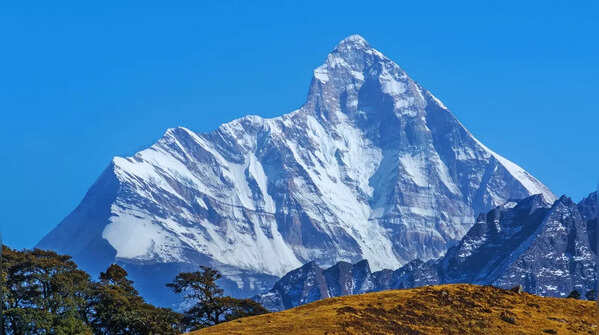
Nanda Devi is the country’s second-highest mountain, and another peak where access is tightly controlled. Nanda Devi, revered as a goddess in local mythology, is situated in the Nanda Devi Biosphere Reserve, which is one of the most sensitive ecological zones in the Himalayas. After the destruction of the environment by early expeditions, the rest of the mountain was declared out of bounds for most kinds of climbing and trekking. Today, the peak is more or less inaccessible.
Uluru (Ayers Rock), Australia
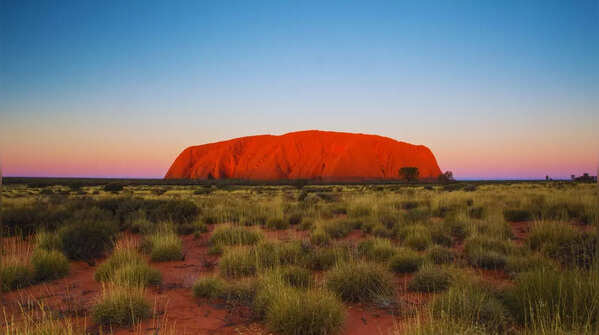
Uluru is not a mountain in the conventional sense of the word, but its massive sandstone monolith casts a dominating presence over Australia’s Red Centre. To the Anangu people, Uluru is a very sacred site, an integral part of their creation legends called Tjukurpa. While climbing Uluru was once permitted, it was officially banned in 2019 following decades of requests from Indigenous custodians. The decision marked a major shift toward respecting Aboriginal culture. Visitors can now walk around the base, learning about its spiritual meaning rather than standing atop it.
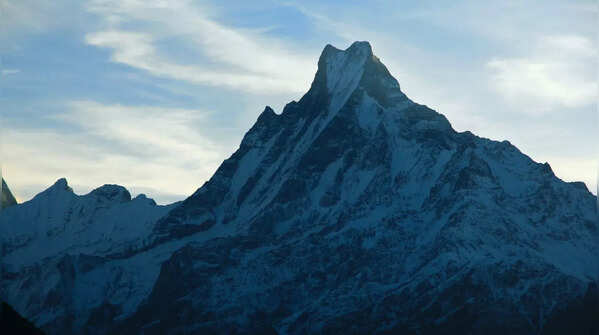
Mount Machapuchare, Nepal
Often called the “Fishtail Mountain” because of its distinctive twin summit, Machapuchare rises dramatically above the Annapurna region. It is considered sacred to Lord Shiva and is believed to be the home of divine beings. Nepal has banned climbing Machapuchare entirely. Even reconnaissance expeditions are not allowed. Though it stands at over 6,900 metres, no climber has ever officially reached its summit, making it one of the world’s most striking untouched Himalayan peaks.
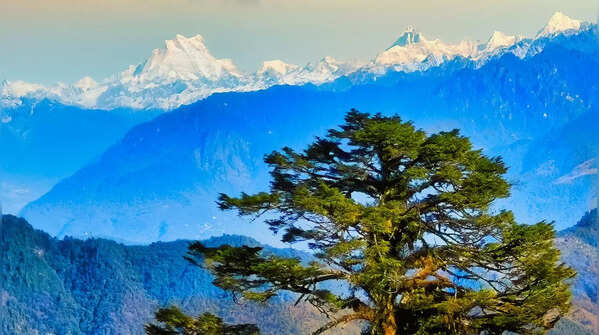
Mount Gangkhar Puensum, Bhutan
Often called the “Fishtail Mountain” because of its distinctive twin summit, Machapuchare rises dramatically above the Annapurna region. It is considered sacred to Lord Shiva and is believed to be the home of divine beings. Nepal has banned climbing Machapuchare entirely. Even reconnaissance expeditions are not allowed. Though it stands at over 6,900 metres, no climber has ever officially reached its summit, making it one of the world’s most striking untouched Himalayan peaks.
Featured In lifestyle

MORE FROM ETIMES
life & style