
- News
- lifestyle
- travel
- destinations
- Freedom Trails: Cities where India’s independence was forged
Freedom Trails: Cities where India’s independence was forged
Freedom Trails: Cities where India’s independence was forged
India’s freedom struggle is not confined to one location, it is vast and covers a lot of cities, towns, and villages all over India. Every region of India has contributed greatly to the freedom movement, and there are stories of courage, sacrifice, and unyielding determination. All of these locations are where people erupted in protests for freedom, and their voices of freedom had shaken a whole empire. Exploring this “Freedom Trail” is not just a journey through geography; it’s a walk through the soul of India’s fight for liberty.
Let’s take a journey on the occasion of ‘Independence Day’ through India’s locations where some major events of freedom happened:
Barrackpore, West Bengal
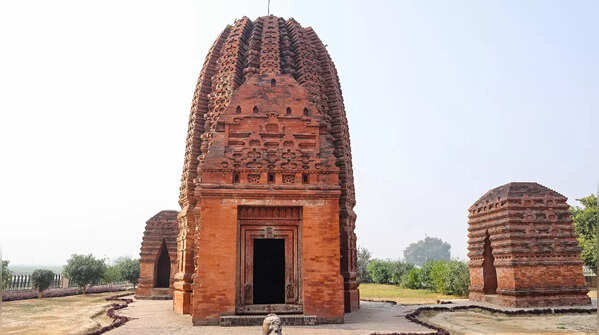
This place is historically important, as this was the site of military unrest against British rule. This place is also known for the incident of 1857, which involved Mangal Pandey, a sepoy who attacked British officers—an event often considered a catalyst for the wider Indian Rebellion of 1857. This attack led to increased tensions within the British Indian Army and contributed to the outbreak of the rebellion. The town remains an important historical site representing early resistance to British colonialism.
Champaran, Bihar
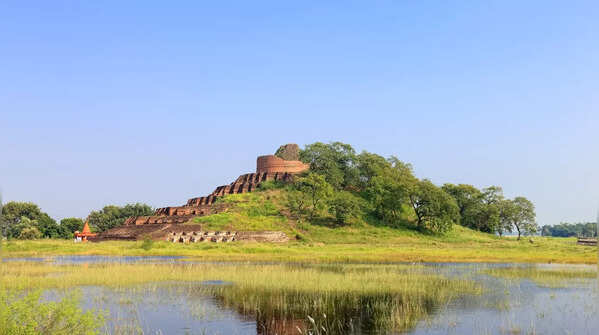
This is the location where Mahatma Gandhi led his first satyagraha movement in India in 1917. This movement happened here to protest against the forced indigo cultivation by landlords. This movement also marked the beginning of the mass civil disobedience movement in India. This event made people more aware of the need for resistance, and this place stands as a symbol of rural India’s role in the freedom struggle. This movement led to the abolition of the exploitative system, and satyagraha became an important part of the freedom struggle.
Jhansi, Uttar Pradesh
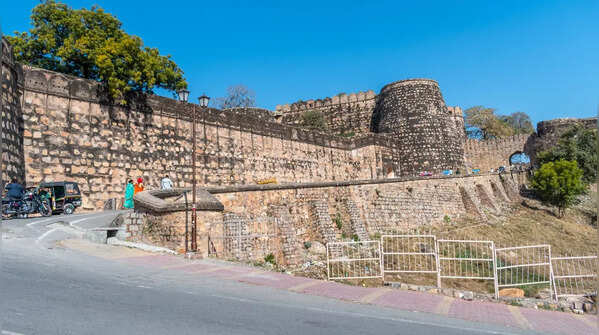
This location was home to Rani Lakshmi Bai, who was an important leader in the revolt of 1857. She greatly fought against the British to prevent the annexation of Jhansi after her husband’s death. She fiercely defended the Jhansi Fort from the British before dying in combat in Gwalior in 1858. Many heritage sites are located in Jhansi, such as Jhansi Fort, Rani Mahal, and government museums, which have preserved the relics that depict her valor and strength.
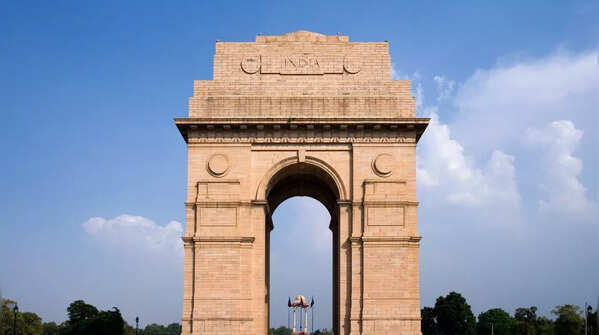
Delhi
This state was the main center of India’s final independence phase. This is the place where Jawaharlal Nehru gave his famous speech “Tryst with Destiny” towards midnight of 14th August 1947. A lot of monuments are located in Delhi, such as Raj Ghat (Mahatma Gandhi’s memorial), India Gate, and historically significant sites linked to earlier revolts like the 1857 uprising. This was also the place where the Viceroy’s seat was shifted from Calcutta.
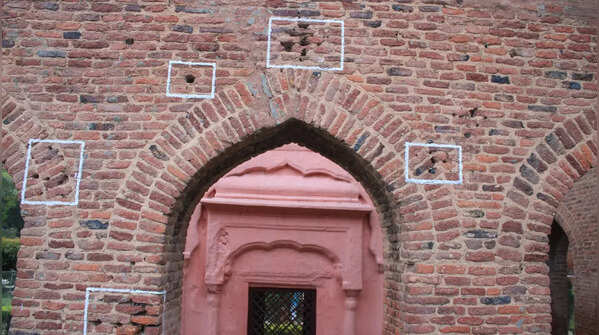
Amritsar, Punjab
This place was deeply impacted during the fight for independence. On the dark day of 13 April 1919, British troops opened fire on peaceful protesters in the Jallianwala Bagh massacre. This massacre had sent chills down the back of each person and had shaken the whole nation. One can still visit the Jallianwala Bagh Memorial to witness in real the sacrifices that had happened at that time. This place has greatly preserved the history of the tragedy.
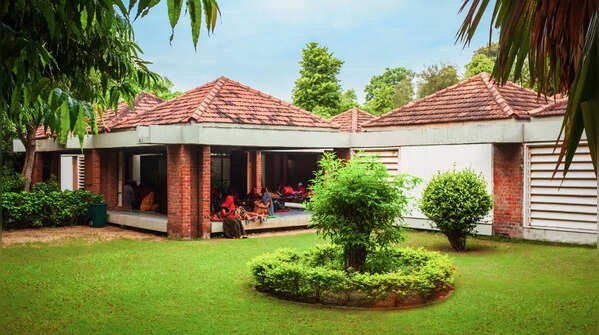
Sabarmati Ashram, Ahmedabad, Gujarat
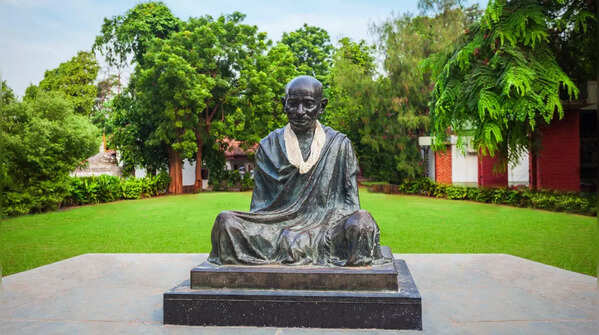
Sabarmati Ashram was Mahatma Gandhi’s residence and the headquarters of the Indian independence movement for many years. This was the place where Mahatma Gandhi launched the famous Salt March in 1930, which was an important act of civil disobedience against the salt laws of the British Empire. Today, this ashram has been preserved as a museum and a spiritual center and still inspires people about the nonviolent struggle.
Featured In lifestyle

MORE FROM ETIMES
life & style