
- News
- lifestyle
- travel
- destinations
- ‘Copenhagen’ doesn't chase growth: Why the Danish capital is designed for humanity
‘Copenhagen’ doesn't chase growth: Why the Danish capital is designed for humanity
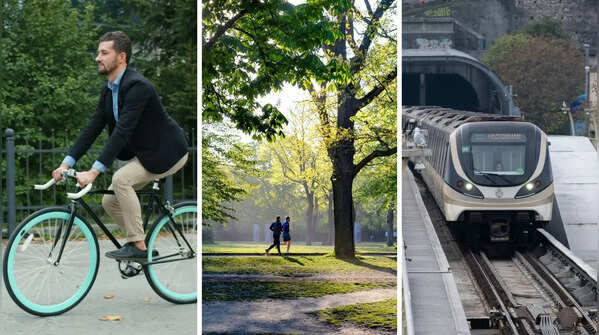
‘Copenhagen’ doesn't chase growth: Why the Danish capital is designed for humanity
In the competition to become a global powerhouse, most metro cities are overwhelmingly concerned with vertical height. The pursuit of record-high skyscrapers, sprawling freeways, and gross domestic product (GDP) figures that will impress on paper has created an obsession among many cities. The capital of Denmark, Copenhagen, chose to bow out of the race for global supremacy and instead pursue a people-centric model of urban design.
Copenhagen has made it clear that it does not want to set new records for size or ostentation in the realm of building development. Fifteen years ago, the city made a bold move away from historical convention by adopting a design plan that prioritises people over cars or capital. The Economist Intelligence Unit (EIU) officially ranked Copenhagen as the most livable city in the world in its 2025 Global Liveability Index, with a score of 98.0/100. This model serves as a sustainable blueprint for future urbanism.
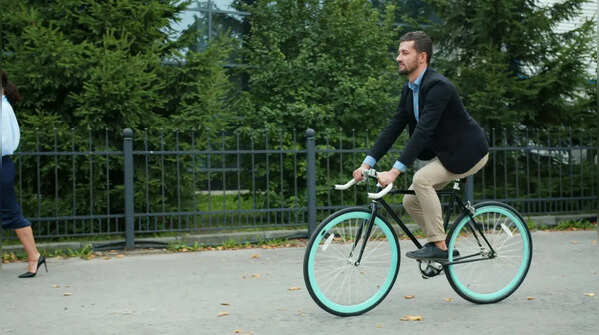
The Bicycle City
Copenhagen's identity centre is cycling! Not an afterthought. More bicycles than cars means the city's infrastructure has been designed to ensure that all commuters, from students to executive suit wearers, get to their destinations most safely and efficiently. Each person's journey through the city is a smooth, rhythmic, and quiet flow. This experience proves that cities are capable of functioning without gridlock.
PC: Canva
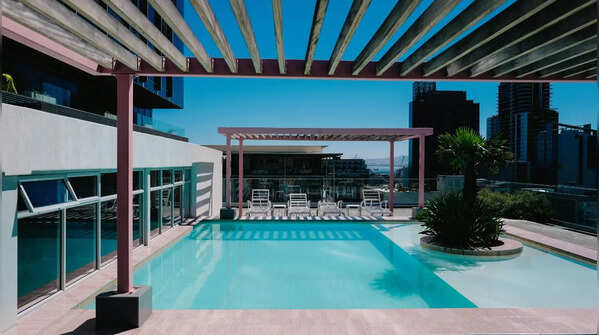
Swimming in the City
The restoration of the Copenhagen harbour into a clean place to swim during the summer months (no longer an industrial site filled with pollution) provides an excellent example of what can happen when an entire city prioritises environmental health over the mere economic output.
PC: Canva
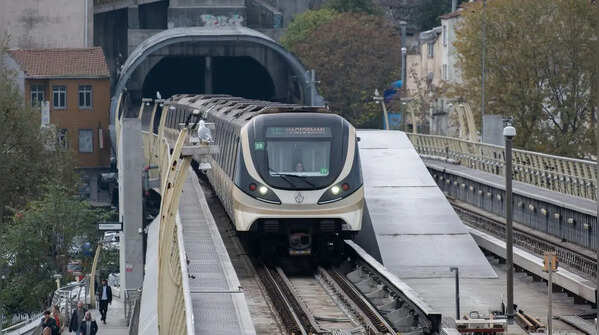
Transport That Works
The reliability of public transport in Copenhagen offers an ideal model of reliability, with a fully automated/electric metro system and synchronised buses, so that daily commuting to and from work involves no stress.
PC: Canva
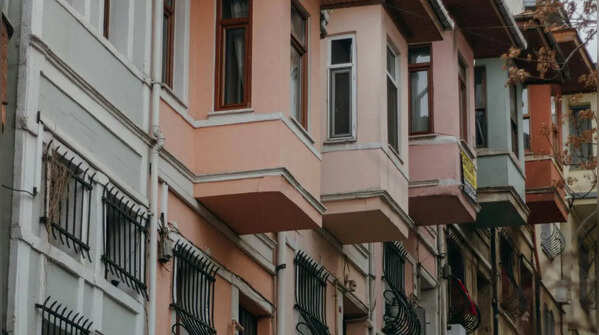
Homes for Everyone
In Copenhagen, housing is treated as a foundational social priority, not a financial risk. Local authorities have the power to allocate a percentage of public housing to those in urgent need, which prevents mass homelessness. By providing high-quality social housing and strict rent regulation, the city offers its citizens stability and security, creating a social fabric that unites people across all income brackets.
PC: Canva

The Luxury of Calm
Copenhagen is characterised by the absence of drama. Scandals, large bureaucratic roadblocks, and urban chaos are absent in the City. By focusing on the most fundamental human needs (clean air, safe streets and dependable health care), Copenhagen provides its citizens with a unique opportunity to enjoy a peaceful, predictable and truly liveable life.
PC: Canva
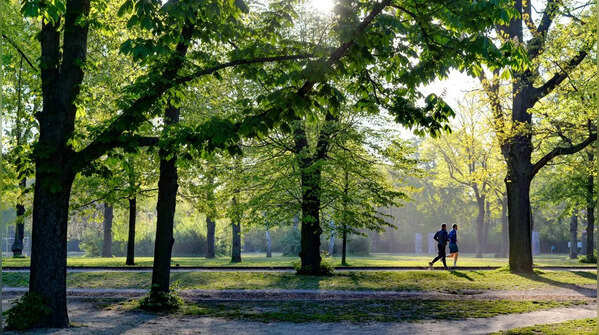
Parks at Every Turn
Nature isn't confined to remote parks; it is incorporated throughout the DNA of the city. By using green roofs, tree-lined streets, and repurposing cemeteries into tranquil public gardens, Copenhagen incorporates the tranquillity of nature directly into the day-to-day lives of its busy citizens.
PC: Canva

A City of Trust
Social trust is high throughout Copenhagen. With basic needs like education and health care guaranteed, there is a strong sense of safety. Leaving a bag on a park bench unattended while you go to get coffee is an everyday occurrence, not an act of risk.
PC: Canva

The 4 PM Finish
In Denmark, work-life balance is more than just a trendy phrase; it is part of their culture. Many Danes will finish work before 4 PM to spend time with family, pursue hobbies or simply relax. This creates a stark contrast to ‘hustle culture’ and demonstrates that productivity does not have to come at the expense of relaxation.
PC: Canva
Featured In lifestyle

