
- News
- lifestyle
- travel
- destinations
- 7 locations where the human body quietly repairs itself, according to experts
7 locations where the human body quietly repairs itself, according to experts
Locations where the human body quietly repairs itself
A neuroecologist once shared a line that continues to echo across medical and environmental research: “The body heals fastest where stimulus density collapses.” In places where sound, visual clutter, and sensory overload sharply reduce, the nervous system shifts gears. Brain imaging shows activity dropping into what researchers describe as a ‘maintenance mode.’ Glymphatic flow accelerates, inflammation markers fall, and the body finally redirects energy toward repair rather than survival.
The observations were highlighted by Dr Datinh Jhmahidah in a widely discussed social media thread.
Across the world, experts have identified several such environments, not scenic escapes, but biologically strategic spaces, where the human body has reportedly healed faster.
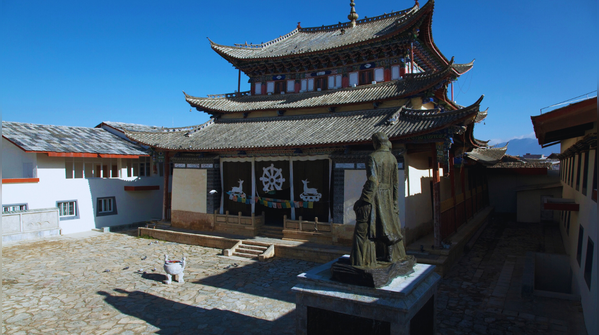
Old monasteries and enclosed stone courtyards
Thick stone walls, narrow corridors, and closed geometry dramatically reduce external stimulus. Sound drops by nearly 80 percent, and visual movement is minimal. MRI scans in such environments show the brain entering a low-arousal state associated with repair. With fewer sensory demands, the nervous system downshifts, allowing inflammation to decrease and internal maintenance processes to dominate.
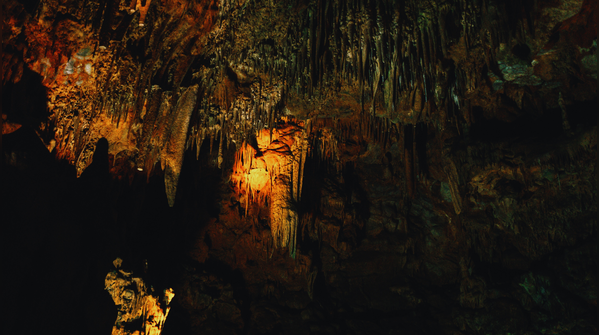
Salt caves
These are not spa simulations, but naturally formed salt caves.Micro-ionized salt particles improve respiratory efficiency and have been shown to lower cortisol levels by nearly 25 percent. In Poland, there are hospitals that use real salt caves for post-viral recovery, not as wellness branding but as a medical intervention. Patients consistently recover faster in these mineral-rich, low-pathogen environments.
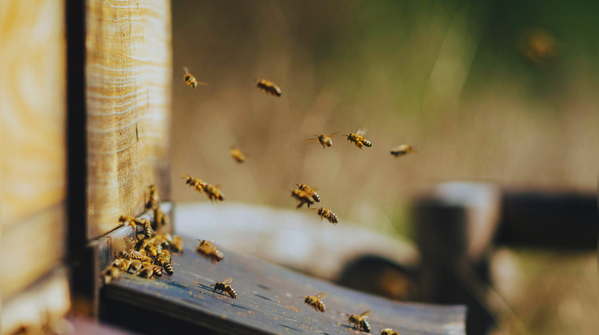
Bee-house apiaries
In these enclosed wooden structures, people sit or lie while thousands of bees hum outside protective screens.The wings generate vibrations between 110 and 140 hertz, the same frequency range used in physiotherapy to relax muscle tissue. Cardiovascular patients having bee-house sessions recovered almost twice as quickly, according to Romanian clinics. This is probably because of the combined effects of vibration, warmth, and rhythmic music.
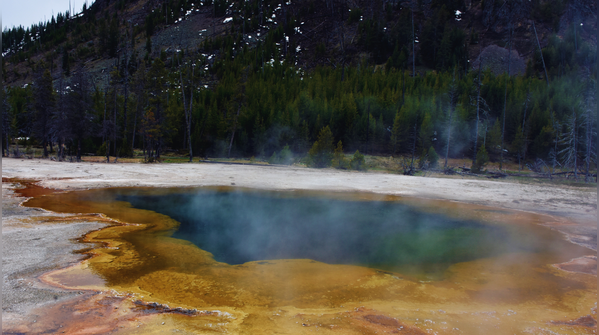
Cold spring basins below 12°C
Immersion in cold natural springs triggers an immediate physiological shift. Nitric oxide production surges, mitochondria increase activity, and immune cells redistribute throughout the body. Japanese autoimmune clinics use cold-water protocols because inflammation patterns change measurably after repeated exposure. The body appears to switch from chronic defense to active repair.
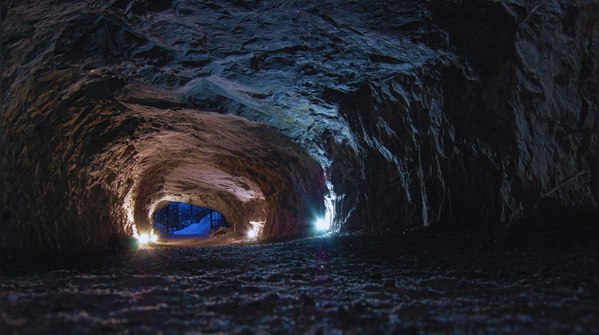
Ancient stone caves with narrow entrances
These caves maintain steady oxygen levels, optimal humidity, and slightly elevated carbon dioxide concentrations.Under these conditions, lung workload drops by roughly 30 percent.The energy saved from breathing effort is redirected toward tissue repair and immune regulation. The environment itself performs part of the body’s work.
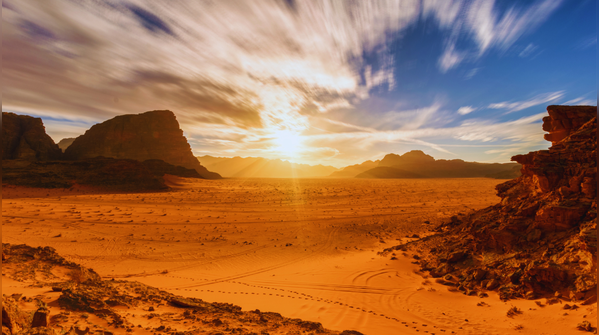
Nighttime silence deserts
In places such as Wadi Rum and the Atacama Desert, sound nearly disappears after dark. With no auditory stimulus, the amygdala, responsible for threat detection, calms rapidly. Military studies observed that soldiers with stress injuries recovered three to four times faster after nighttime exposure sessions in these deserts. Silence, in this context, acts as a neurological reset.
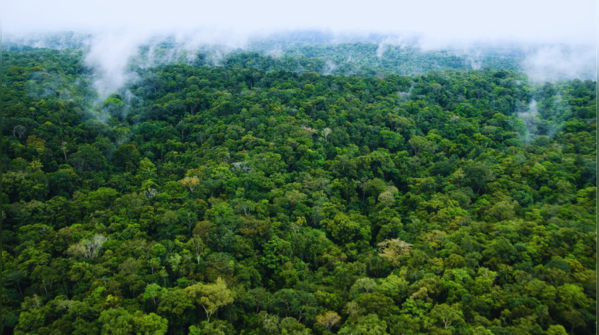
Old-growth, moss-dense forests
These forests release beta-pinene, carry high concentrations of forest ions, and maintain stable, ancient humidity levels. Research shows that immune responses activate differently here compared to younger forests. In South Korea, such environments are used for post-surgery recovery, reducing healing time by nearly one-third. The forest chemistry itself appears to signal repair pathways in the body.
Disclaimer: The locations discussed here are drawn from expert commentary shared in public forums and social media threads. No clinical or observational studies are cited. The content is informational and not a substitute for medical guidance.
Featured In lifestyle

MORE FROM ETIMES
life & style