
- News
- lifestyle
- travel
- destinations
- 6 places where the world’s deadliest snakes are found
6 places where the world’s deadliest snakes are found
6 places where the world’s deadliest snakes are found
Some places on Earth look harmless at first glance, sunlit beaches, quiet riverbanks, lush forests, or dramatic deserts. But beneath that beauty lies a constant, often unseen threat. In these regions, venomous snakes are not rare encounters, but a reality, shaped by geography, climate, and millions of years of evolution. From isolated islands to sprawling continents, these locations are known for having some of the highest concentrations of dangerous snakes in the world.
Here are six places where venomous snakes are found.
Australia
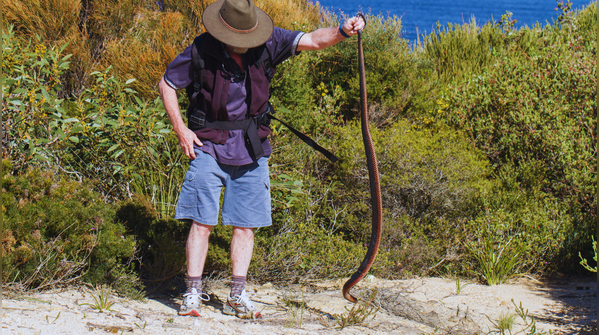
Australia is widely regarded as the global epicentre of venomous snakes. The continent is home to over 170 species of venomous snakes, accounting for nearly 85 per cent of the world’s most dangerous varieties. Scientists believe this extraordinary concentration dates back around 30 million years, when Australia separated from Antarctica, allowing its wildlife to evolve in prolonged isolation.
Just off the coast of Queensland lies Magnetic Island, known for its tropical beaches and coral reefs. Beyond its scenic appeal, the island is believed to support a significant population of Common Death Adders. These snakes are expert ambush hunters, often concealed beneath leaf litter or tall grass, striking prey with remarkable speed. Their venom contains a powerful neurotoxin that can paralyse the respiratory system and may prove fatal within 30 minutes if medical treatment is delayed. Despite their lethal capability, Death Adders are generally reclusive and tend to avoid areas with regular human activity.
Australia is also home to the Inland Taipan, widely considered the most venomous snake in the world. A single bite carries enough venom to kill approximately 100 people. However, the species inhabits remote inland regions and is known for its relatively calm nature, making encounters with humans rare. In contrast, the Coastal Taipan poses a greater threat due to its aggressive behaviour. Found along northern and eastern coastal Australia, this formidable snake, measuring between six and nine feet in length, delivers venom potent enough that a single bite could theoretically be lethal to hundreds of people.
Ilha da Queimada Grande, Brazil
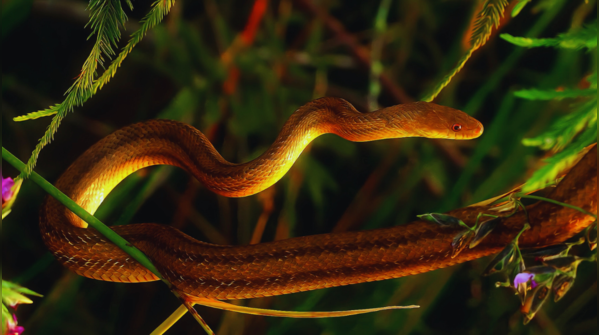
Ilha da Queimada Grande, a tadpole-shaped land off the coast of Sao Paulo. It’s scary to note that this place is actually infested with snakes that can kill you. It's so dangerous that visitors are forbidden from visiting it. Also known as ’Snake Island,’ officials used to think there were some 430,000 snakes sprawled across its (approximately) 106 acres, although no official count has ever been made.
The island is populated solely by golden lancehead, one of the world’s deadliest pit vipers. Its hemotoxic venom provokes kidney failure, internal bleeding and tissue necrosis within 60 minutes of going untreated. Because the area is so perilous, only Brazil’s navy is allowed access, under the supervision of the Chico Mendes Institute for Biodiversity Conservation. The ban has helped to avert recorded snakebite deaths.
India
India is one of the countries with the highest snakebite rates in the world. Snakes are found in most parts of the country as they flourish in its hot climate and monsoon situation. Government tracking programmes estimate that about a million people are bitten each year, leading to more than 40,000 deaths, as per the reports.
And when it comes to the infamous ‘Big Four’ venomous snakes, the Indian krait is believed to be the most deadly. Being a night-biter, it can bite when disturbed at night. Its venom is 15 times more potent than a king cobra’s, which can lead to permanent paralysis, if left untreated and, ultimately, death.
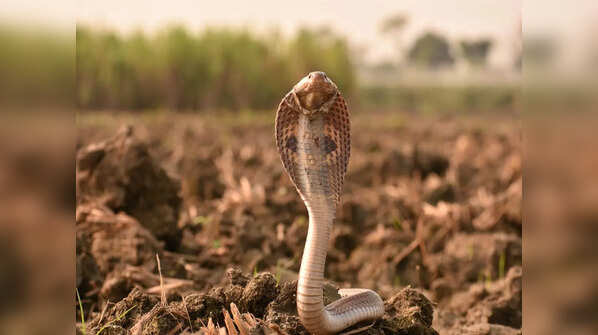
Bali
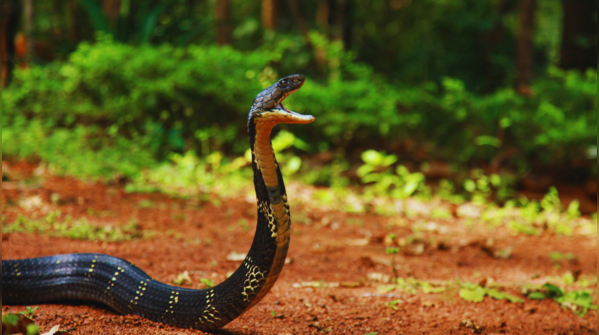
There are around 64 snake species in Bali, out of which, some dozen are venomous. The most dangerous is the dancing king cobra, which is the world’s longest venomous snake and can grow up to 13 feet. It remains active mostly during the day time, and has the ability to leap up to human height vertically before striking. Its venom is so deadly and causes respiratory failure so quickly that it can cause respiratory failure if left untreated.
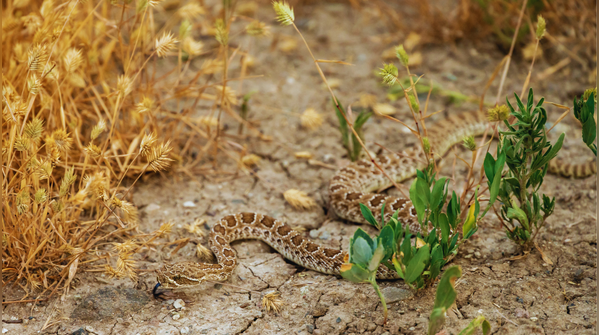
Arizona, US
Arizona has 19 out of 20 of the US’ most venomous snake species. Phoenix itself is home to six rattlesnake species as well as the Sonoran coral snake. Rattlesnakes tend to provide a warning beforehand and only around 25 percent of bites have venom injected. Death is infrequent if treatment is sought timely, but the array of venomous animals make the area infamous.
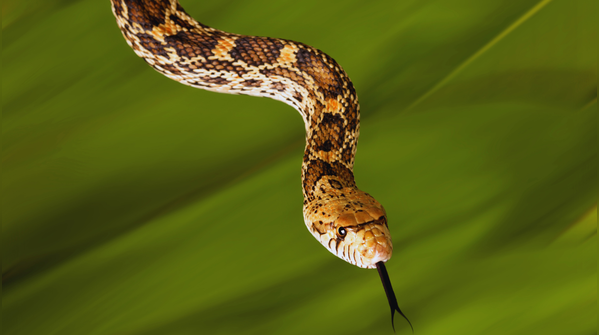
Missouri River, Montana
The Missouri, especially in its upper stretches in Montana, hosts the greatest concentration of snakes of any river in America. Populating it is the prairie rattlesnake, as well as a variety of non-venomous species, including garter snakes, bullsnakes and American racers. Many of these snakes are excellent swimmers, making for a robust, and scary, river ecosystem.
Featured In lifestyle

MORE FROM ETIMES
life & style