
- News
- lifestyle
- travel
- destinations
- 6 iconic destinations on the banks of the world’s longest river
6 iconic destinations on the banks of the world’s longest river
6 iconic destinations on the banks of the world’s longest river
There are few rivers in this world that carry such significance in terms of their history, mythology, and survival, and one such river is the Nile River, which is known to be the longest river in this world, stretching over 6,600 kilometers in northeastern Africa. This river is known to be the lifeline of many ancient civilizations, which have transformed many of the arid deserts of this region into fertile land that could sustain life and civilizations in this region. Nile River is known to be the "giver of life," and there are few places in this region where one could witness a blend of history and modern times, from its origin near Lake Victoria to its delta in the Mediterranean Sea.

Cairo
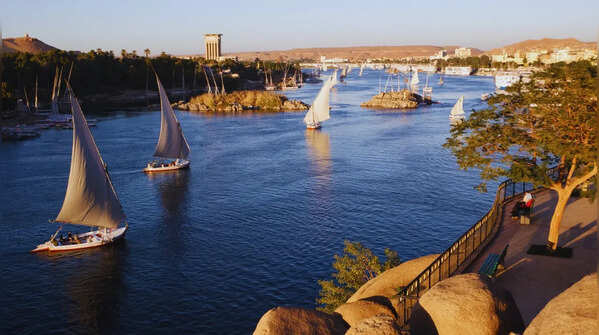
The bustling capital of Egypt is the most well-known city along the banks of the Nile River. In this city, the old and new go hand in hand, with the river gently flowing past the skyline, which is lined with minarets and high-rise buildings. Just outside the metropolitan area, the legendary pyramids at Giza await, but within the city, the bustling markets, museums, and mosques speak of a civilization that thrived because of the water provided by the mighty Nile River. A felucca ride at sunset is a timeless experience.
Luxor
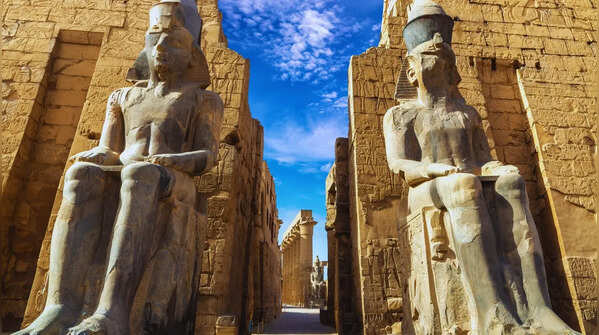
Frequently referred to as the greatest open-air museum in the world, Luxor sits serenely on the banks of the Nile River, once being the ancient Egyptian city of Thebes, the capital of the New Kingdom of Egypt. Today, it is the home of the world-famous Valley of the Kings and the Karnak Temple Complex, with the Nile River dividing the city into the East Bank, which represents life, and the West Bank, which represents death, reflecting the Egyptian belief system of the time.

Aswan
Further south, Aswan provides a slower and more serene Nile experience. As it is famous for its scenic beauty, the city is filled with beautiful scenery, including granite rocks and islands. The river is wider and calmer, providing the best opportunity to enjoy traditional boat cruises. Aswan is also the gateway to Nubian culture, as the villages are colorful and unique, unlike the rest of Egypt.
Jinja
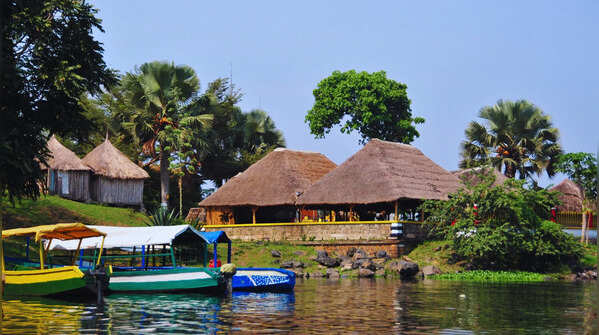
Jinja (in Uganda) has a special place in East Africa, as it is near the source of the Nile at Lake Victoria. Jinja is known as the “adventure capital of East Africa,” as one can enjoy white-water rafting, kayaking, and bungee jumping. Apart from adventure, Jinja is the starting point of the river, which will travel thousands of kilometers to the north.
Khartoum
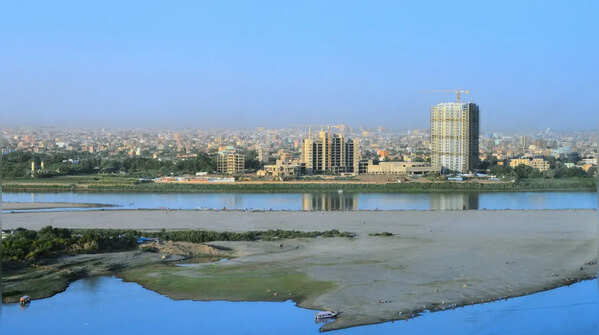
Khartoum is a special city in that it is located at the confluence of the Blue Nile and the White Nile, where both of these great rivers combine to make up the Nile River. This confluence is a geographical and symbolic highlight of this section of the Nile River journey. It is a city that is a blend of African and Arabian culture, with markets, museums, and a riverfront that evoke a sense of its cultural heritage
Alexandria
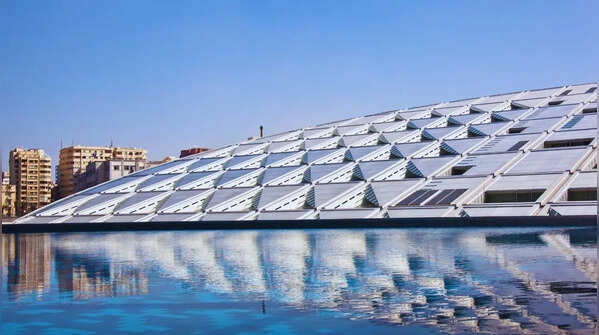
Finally, there is Alexandria, which is located at the northernmost point of the Nile River journey, where it empties into the Mediterranean Sea. It was founded by Alexander the Great and was a great cultural and learning center, though much of this is no longer evident, except in modern structures such as the Bibliotheca Alexandrina, which is a tribute to its rich past. This is a different kind of setting for the Nile River, marking its ending point.
Featured In lifestyle

MORE FROM ETIMES
life & style