Trending
Delhi pollution: NDMC hikes Delhi parking charges as GRAP Stage-II activated-what's allowed and what is not
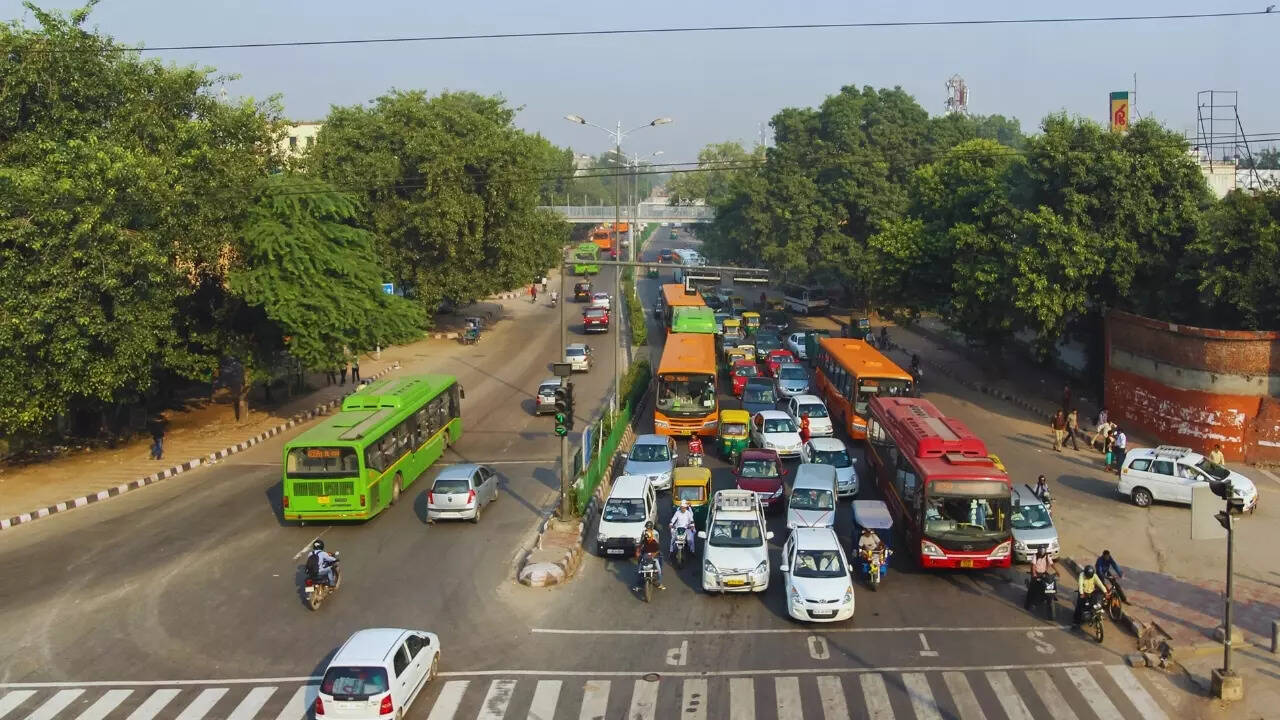
The New Delhi Municipal Council (NDMC) has doubled parking charges at its off-road and indoor sites, effective immediately, as part of Graded Response Action Plan (GRAP) Stage II measures. This hike, aimed at discouraging private vehicle use amidst 'very poor' air quality, will remain until GRAP Stage II restrictions are lifted.

Parking charges doubled till GRAP Stage-II is revoked
GRAP Stage-II: Measures to tackle ‘Very Poor’ air quality

About the AuthorTOI Lifestyle Desk
End of Article
Follow Us On Social Media
Photostories
Tired of too many ads?go ad free now
lifestyle videos
Featured In Lifestyle

Tired of too many ads?go ad free now
MORE FROM ETIMES
life & styleHot on the Web
Oats Health BenefitsParesh RawalRanbir KapoorShakespeare QuotesIdeal Poop TimeHigh Uric AcidPriyamaniHeart HealthHigh Blood Sugar SymptomsBlood Sugar Control DrinksKidney HeathAmitabh BachchanHigh Blood PressureMass Jathara First ReviewVascular HealthArteries Plaques Reverse TipsObdurate WordSugar Vs HoneyCyclone MonthaDove Cameron Engagement NewsIdeal Pooping TimeIMD Heavy Rainfall WarningShah Rukh KhanKaun Banega Crorepati 17Baahubali The Epic First ReviewHair Growth ShotDangerous Habits For HeartVascular HealthBaby NamesKantara Box Office CollectionElephant Safari National ParkNatural Oils ForSkin CareCommon Reasons For Eyes BurnArgan Oil For Hair3i/atlasWorld Expensive Aquarium FishHealth Benefits Of ThekuaLiver Damage Warning SignsBlood Sugar That Harm FeetsExercises To Remove Neck LinesVirat Kohli
Trending Topics
Latest MoviesBollywood MoviesHollywood MoviesTamil Movies 2025Telugu Movies 2025Malayalam Movies 2025Kannada Movies 2025Marathi Movies 2025Bengali Movies 2025Top Rated Movies 2025Best Hindi MoviesBest English MoviesBest Telugu MoviesBest Tamil MoviesBest Malayalam MoviesBest Kannada MoviesBest Bengali MoviesUpcoming Hindi MoviesBest Movies Of All TimeBest Hindi Movies of All TimeLatest English MoviesLatest Malayalam MoviesEnglish TV NewsTamil TV NewsTelugu TV NewsMalayalam TV NewsKannada TV NewsMovie ReviewsBhojpuri Cinema NewsGujarati Cinema News
Popular Categories
Viral NewsK Pop NewsWeb Series NewsAnime NewsUpcoming English MoviesUpcoming Tamil MoviesUpcoming Telugu MoviesUpcoming Malayalam MoviesUpcoming Kannada MoviesFashion TipsTravel NewsEntertainment NewsBollywood NewsTollywood NewsKollywood NewsMollywood NewsFood NewsLatest Hindi MoviesLatest Tamil MoviesParenting TipsHome RemediesWeight LossBeauty TipsParenting TipsHindi VideosHindi Video SongsBhojpuri Music VideosLatest Telugu MoviesBhojpuri Music VideoHindi TV News
Latest News
SAF constable dies by suicide in Narmadapuram; alleges harassment by wife, in-lawsRed wine isn't heart-healthy for everyone: Harvard-trained liver expert reveals how it can silently damage your liverFirst ‘mummified’ hooved dinosaur in Wyoming Badlands discovered, redefining prehistoric evolution17-year-old budding Australian cricketer dies during practice: 5 head injuries that can turn fatalEmraan Hashmi explains why recreating 'HAQ' poster outside the Supreme Court was symbolic'Yuvrajs out on bail': PM Modi mocks Rahul, Tejashwi; invokes '5 Ks' to attack oppositionShah Rukh Khan’s Alibaugh farmhouse: Inside Rs 15 crore luxurious vacation house with a private helipad, pool area and moreSun Bear vs. Moon Bear: Understanding the physical, behavioural, and ecological differences that shape their survivalUAE Global Win: Dubai crowned for having the best AI governance strategy in the worldDiljit Dosanjh spreads message of love and unity amid threats; Says 'This earth is one, I'll always choose love'Trapped in online gambling, trader’s son dies by suicide in Gwalior; names accused in suicide note'Athibheekara Kaamukan' trailer: Lukman Avaran as a carefree dreamer finding love again - WatchShiboprosad returns to stage after 27 years to celebrate Badal Sircar’s birth centenarySun-ruled souls: The power and purpose of Mulank 1 in numerologyHack of the day: Filter and block promo mails with Gmail +tagTMB plans national expansion & Rs 250 crore tech spendHP TET admit card 2025 released at hpbose.org: Direct link to download hall tickets hereLouvre heist: Five new suspects arrested, says prosecutor; loot worth $102 million still missing