Trending
This story is from January 6, 2020
Will the 20s roar again?
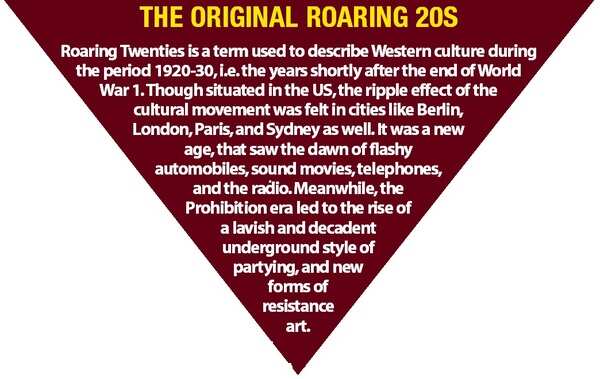
Decadent partying, flapper style, jazz, and the ‘lost generation’ – as we enter 2020, here’s a look at the original Roaring Twenties
It was the best of times, it was the worst of times, but how the 1920s roared! And so, as the clock struck 12 on Dec 31, 2019, several people around the world welcomed the new Roaring Twenties, with #Roaring20 hash tags, Gatsby-esque parties, flapper-ish dresses, jazz-y music and swing-ing moves, paying homage to the generation that really, truly knew how to party. 
An age of bright young things, socialites and ‘flappers’, and aristocrats and gangsters – the 1920s was also a time when the ‘lost generation’ was searching for its way through mass consumerism and hedonism. A time that wasn’t really the same as today, but not that different at all. But will history repeat itself? Will these 20s roar as loud?
 Decadent partying, flapper style, jazz, and the ‘lost generation’ – as we enter 2020, here’s a look at the original Roaring Twenties
Rebellious women
Gloria Swanson was the US silent screen’s most successful and highest paid star
Right to vote? Check. Daring outfits and bob cut hair? Check. Cigarettes and alcohol? Check and check! This is the decade that saw women embrace new rights, new careers and a whole new way of living. The young female rebels were referred to as ‘flappers’ – a nod to their loose, slinky dresses, that left their hands and legs outrageously bare.
Art, literature, cinema
The 1920s also saw the rise of screen legend Charlie Chaplin
From expressionism and surrealism, to Harlem Renaissance, the first of the sound movies, and writers like Langston Hughes, Zora Neale Hurston, Ernest Hemingway and F Scott Fitzgerald – this was an era rich in creativity. It’s also the age that birthed Mickey Mouse, who made his debut in Steamboat Willie on Nov 18, 1928, at the Colony Theater in New York City. The Art Deco movement gave rise to The Chrysler Building and other magnificent skyscrapers of New York.
Flapper fashion
The Kardashians try the Flapper style
Following the suffragette movement, women’s legal right to vote was established in 1920, leading to a revolution in every sphere – including fashion. Short skirts, shorter hair, makeup (earlier associated with only prostitutes) – they broke away from the shackled, corseted Victorian existence they led before.
Jazz and swing
Langston Hughes, American poet and social activist
Dubbed the Jazz age, the 1920s belonged to jazz artistes like Louis Armstrong, and the Original Creole Jazz Band. It’s when people did the swing, foxtrot, waltz, and American tango, as well as the breakaway and Charleston.
Gangsters
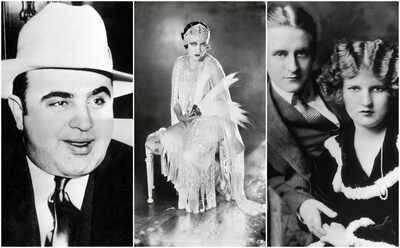
The alcohol black market during the Prohibition era, also led to the rise of infamous gangsters, such as Al Capone, and Bugs Maloney
Art, fashion and culture
Most of the art produced in 1920 – from literature to jazz – was a form of resistance, and that continues to be a dominating trend in art today. Sudha Pillai, painter and writer, says, “Art has always been revolutionary and evolutionary. Every era has art rebelling and reacting to what’s happening around them, and 2020 art will be as revolutionary”. Citing the rebellious female fashion of that era, Jayesh Sachdev, a visual artist and designer, says, “The main difference is that, presently, the rebellion in fashion is more of a conscious kind. Consumers are moving towards fabrics that are good for the environment.” However, Abhishek Dutta, also a designer, predicts that a few elements of the flapper style will make a comeback. “This year is going to going to be all about metallics and shiny stuff with a loose silhouette. Men can be seen flaunted tapered cuts, jackets, tuxedos, pin-strips, checks etc. Fashion will also reflect current events and crises, like climate emergency.”
The lost generation vs millennials today
Young adults of the 1920s, who were still grappling with the after-effects of World War 1, were termed as ‘the lost generation’. They rebelled by rejecting old traditions, such as the notions of gender and morality. Today, it’s the millennials trying to come to terms with the climate crisis that is a product of the generations past, as well as the economic instability of our times.
Rapid advancement
Just like how the world was transformed by the radio and telephones back then, a World Economic Forum survey in 2017 has predicted a series of “technological tipping points” for the coming decade. These included 3D-printed cars, driverless vehicles and the first artificial-intelligence machine on a company’s board”. According to a report by ABI Research, the new 20s could be an era of smart cities, where big data and robotics ensure better governance, health and connectivity, besides the eventual rise of ‘space tourism’.
The Depression
The decade eventually hurtled towards its own doom, ending with the Great Depression. The 2020s too are beginning at a time of economic uncertainty and billionaire excesses, with the IMF predicting the possibility of a Second Great Depression in the future.
Class divide and racism
As Gabriel Zucman, an economics professor at the University of California, Berkeley, told Forbes, “It’s not fashionable to wear flapper dresses and do the Charleston, but 1920s-style wealth inequality is definitely back in style.” Similarly, while the earlier 20s saw the reemergence of KKK and racism, the 2020s too have seen neo-Nazis, racism, and communal tensions flare up.
Speakeasies
The Prohibition era, i.e. when the sale of alcohol was banned in the US Constitution, led to the rise of speakeasies – underground establishments, where liquor was served illegally, men and women mingled freely, jazz played loud and the parties got a little too raucous, making the 20s ‘roaring’ as it were.
An age of bright young things, socialites and ‘flappers’, and aristocrats and gangsters – the 1920s was also a time when the ‘lost generation’ was searching for its way through mass consumerism and hedonism. A time that wasn’t really the same as today, but not that different at all. But will history repeat itself? Will these 20s roar as loud?
Rebellious women
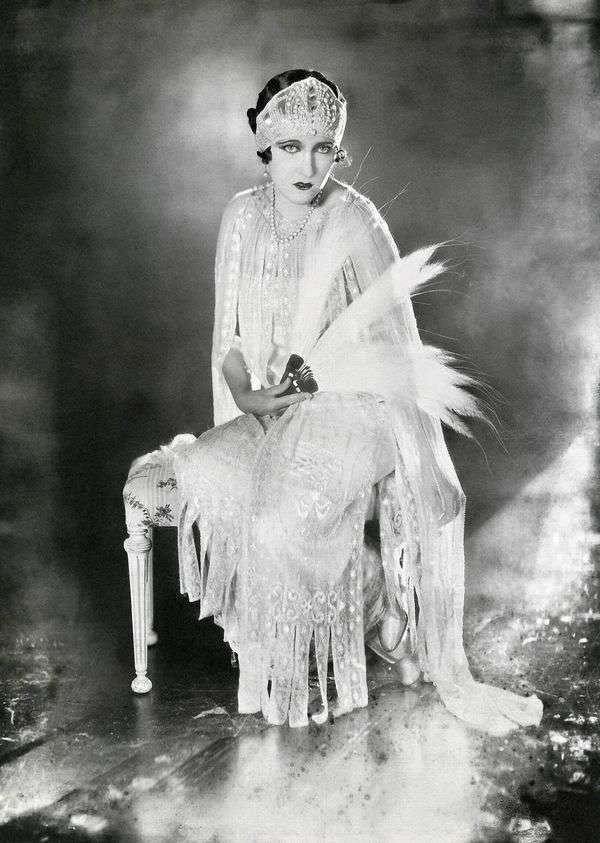
Right to vote? Check. Daring outfits and bob cut hair? Check. Cigarettes and alcohol? Check and check! This is the decade that saw women embrace new rights, new careers and a whole new way of living. The young female rebels were referred to as ‘flappers’ – a nod to their loose, slinky dresses, that left their hands and legs outrageously bare.
Art, literature, cinema
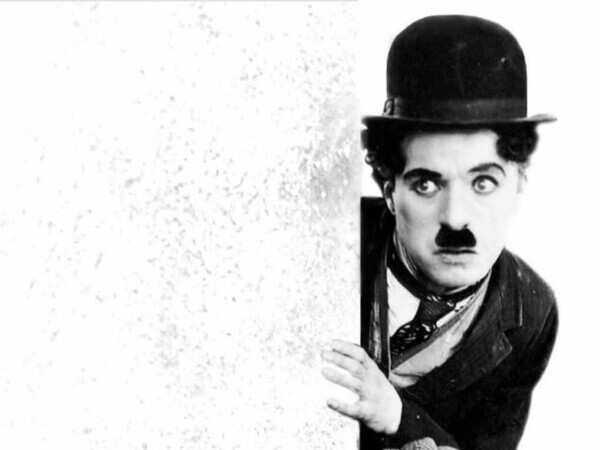
From expressionism and surrealism, to Harlem Renaissance, the first of the sound movies, and writers like Langston Hughes, Zora Neale Hurston, Ernest Hemingway and F Scott Fitzgerald – this was an era rich in creativity. It’s also the age that birthed Mickey Mouse, who made his debut in Steamboat Willie on Nov 18, 1928, at the Colony Theater in New York City. The Art Deco movement gave rise to The Chrysler Building and other magnificent skyscrapers of New York.
Flapper fashion
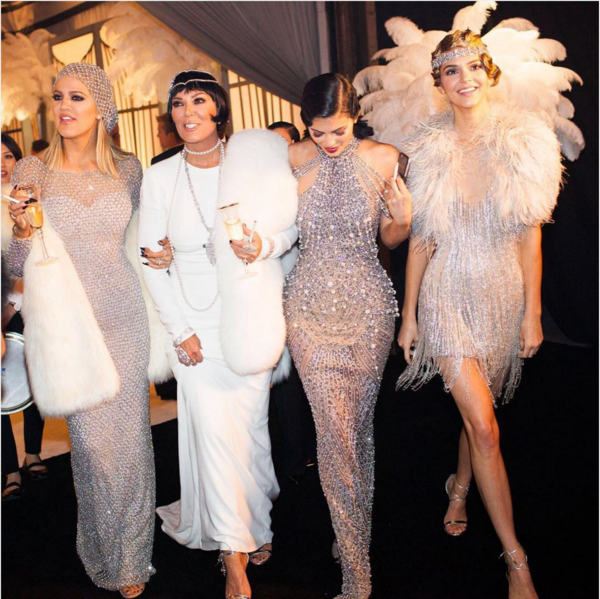
Following the suffragette movement, women’s legal right to vote was established in 1920, leading to a revolution in every sphere – including fashion. Short skirts, shorter hair, makeup (earlier associated with only prostitutes) – they broke away from the shackled, corseted Victorian existence they led before.
Jazz and swing
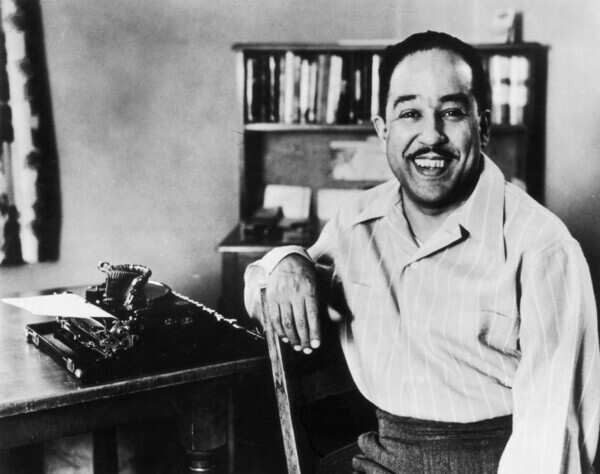
Dubbed the Jazz age, the 1920s belonged to jazz artistes like Louis Armstrong, and the Original Creole Jazz Band. It’s when people did the swing, foxtrot, waltz, and American tango, as well as the breakaway and Charleston.
Gangsters
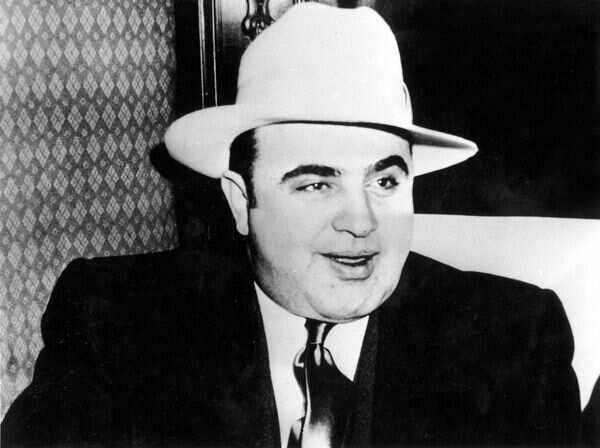
The alcohol black market during the Prohibition era, also led to the rise of infamous gangsters, such as Al Capone, and Bugs Maloney
Art, fashion and culture

Most of the art produced in 1920 – from literature to jazz – was a form of resistance, and that continues to be a dominating trend in art today. Sudha Pillai, painter and writer, says, “Art has always been revolutionary and evolutionary. Every era has art rebelling and reacting to what’s happening around them, and 2020 art will be as revolutionary”. Citing the rebellious female fashion of that era, Jayesh Sachdev, a visual artist and designer, says, “The main difference is that, presently, the rebellion in fashion is more of a conscious kind. Consumers are moving towards fabrics that are good for the environment.” However, Abhishek Dutta, also a designer, predicts that a few elements of the flapper style will make a comeback. “This year is going to going to be all about metallics and shiny stuff with a loose silhouette. Men can be seen flaunted tapered cuts, jackets, tuxedos, pin-strips, checks etc. Fashion will also reflect current events and crises, like climate emergency.”
The lost generation vs millennials today
Young adults of the 1920s, who were still grappling with the after-effects of World War 1, were termed as ‘the lost generation’. They rebelled by rejecting old traditions, such as the notions of gender and morality. Today, it’s the millennials trying to come to terms with the climate crisis that is a product of the generations past, as well as the economic instability of our times.
Rapid advancement
Just like how the world was transformed by the radio and telephones back then, a World Economic Forum survey in 2017 has predicted a series of “technological tipping points” for the coming decade. These included 3D-printed cars, driverless vehicles and the first artificial-intelligence machine on a company’s board”. According to a report by ABI Research, the new 20s could be an era of smart cities, where big data and robotics ensure better governance, health and connectivity, besides the eventual rise of ‘space tourism’.
The Depression
The decade eventually hurtled towards its own doom, ending with the Great Depression. The 2020s too are beginning at a time of economic uncertainty and billionaire excesses, with the IMF predicting the possibility of a Second Great Depression in the future.
Class divide and racism
As Gabriel Zucman, an economics professor at the University of California, Berkeley, told Forbes, “It’s not fashionable to wear flapper dresses and do the Charleston, but 1920s-style wealth inequality is definitely back in style.” Similarly, while the earlier 20s saw the reemergence of KKK and racism, the 2020s too have seen neo-Nazis, racism, and communal tensions flare up.
Speakeasies
The Prohibition era, i.e. when the sale of alcohol was banned in the US Constitution, led to the rise of speakeasies – underground establishments, where liquor was served illegally, men and women mingled freely, jazz played loud and the parties got a little too raucous, making the 20s ‘roaring’ as it were.
End of Article
FOLLOW US ON SOCIAL MEDIA

Featured In Lifestyle
Popular Categories
Entertainment NewsBollywood NewsTollywood NewsKollywood NewsMollywood NewsMovie ReviewsLatest Hindi MoviesLatest Tamil MoviesMX PlayerParenting TipsHome RemediesWeight LossBeauty TipsParenting TipsHindi VideosHindi Video SongsBhojpuri Music VideosLatest Telugu MoviesBhojpuri Music VideoHindi TV News
Trending in Entertainment
Latest MoviesBollywood MoviesHollywood MoviesTamil Movies 2024Telugu Movies 2024Malayalam Movies 2024Kannada Movies 2024Marathi Movies 2024Bengali Movies 2024Top Rated Movies 2024Best Hindi MoviesBest English MoviesBest Telugu MoviesBest Tamil MoviesBest Malayalam MoviesBest Kannada MoviesBest Bengali MoviesUpcoming Hindi MoviesBest Movies Of All TimeBest Hindi Movies of All Time
Trending in Etimes
Horoscope TodayNumerology Predictions TodayDinner With TrumpTim WalzIvanka TrumpJose LopezKristina JoksimovicJoe WilsonTrump Eating The Dogs SongGermany NewsKamala HarrisPrince HarryPatriot Day 2024Diabetes RiskHappy Mindfulness Day 2024Trump Vs HarrisJoe JonasPositive Thinking Day 2024Dave Bautista
Trending in TV
Trending in Lifestyle
Trending in Regional
Movie Reviews
Visfot ReviewThalapathy Is The G.O.A.T ReviewRebel Ridge ReviewDetective Conan vs. Kid the Phantom Thief ReviewBeetlejuice Beetlejuice ReviewPad Gaye Pange ReviewA Wedding Story ReviewThe Diary Of West Bengal ReviewTikdam ReviewKinds Of Kindness ReviewAfraid ReviewThe Deliverance ReviewBlue Lock: Episode Nagi ReviewDaddio Review
Upcoming Hindi Movies
Upcoming Regional Movies
Latest News
7. Hindi becomes officialSalman Khan surrounded by bodyguards as he arrives at Malaika Arora's mother's house to offer his condolences - WATCHJulie Chen to miss Big Brother live eviction for first time, taps Jerry O'Connell to hostBonedi baris hope for a peaceful start to PujoNIA raids pro-Khalistan preacher Amritpal Singh's relative's house in AmritsarA vision unfolds: How Levitation is crafting tomorrow’s enterprise solutionsPreschools turn nursing homes, retirement age raised: China's demographic crisis explodesTovino Thomas praises Prithviraj Sukumaran as director: "One of the brilliant directors I have ever worked with"Tragedy strikes at fundraiser: Mother of two dies after marshmallow-eating competitionMan shot near Delhi's Greater Kailash-I gym, gang war suspected8 animals that reproduce without mating'Cops stood as mute spectators': Protesting doctors write to President over RG Kar impasseISL-11 opener: Familiar foes back in businessFatal crash in Australia's Netherby claims life of ToddlerNASA to establish New Lunar Time Standard with Coordinated Lunar Time (LTC) initiativeDivya Bansal explores themes of human resilience, love and positive transformation in debut poetry bookWWE Superstar Cody Rhodes and his Wife Brandi Rhodes Share Special Messages on Their 11th AnniversaryTop 5 least private zodiac signs
Other Group Sites -
ETimes is an Entertainment, TV & Lifestyle industrys promotional website and carries advertorials and native advertising.