Trending
Running season returns: Marathon training kicks off in Pune; Runners advised on nutrition, recovery, and injury prevention
The marathon season in Pune has returned, filling the streets with the hustle and bustle of eager athletes at dawn. Preparing for the race requires not just commitment but a united community approach. Specialists suggest a well-rounded regimen that emphasizes slow and steady advancement, muscle conditioning, and essential rest.
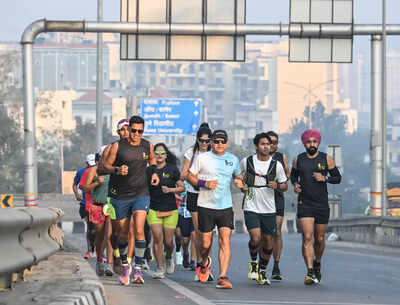
The marathon season in Pune has returned, filling the streets with the hustle and bustle of eager athletes at dawn. Preparing for the race requires not just commitment but a united community approach. Specialists suggest a well-rounded regimen that emphasizes slow and steady advancement, muscle conditioning, and essential rest.
- Follow a balanced training plan that includes interval runs, tempo runs, long-distance runs, and regular strength training to build stamina and core strength.
- Avoid getting caught up in pace, timing, or statistics during your early runs. Focus on enjoying the experience and getting comfortable with your body’s rhythm.
- Be aware of common overuse injuries like runner’s knee, shin splints, Achilles tendinitis, plantar fasciitis, hamstring strains, and occasional lower back issues.
- Reduce injury risk by strengthening lower limb muscles including quads, hamstrings, knee and foot muscles, along with lower back muscles, and consistently improving mobility.
- Prioritise longevity. Consistent strength training and gradual progression help your body stay injury free and sustain long-term running goals.
- Simple routines are often underestimated. Stretching and cooldowns after a run help the body recover and reset.
- Rushing recovery can do more harm than good. Spacing out post-race interventions is important.
- Massage works best when done 2–3 days after the marathon.
- Jacuzzi and sauna sessions can help with muscle heaviness and full-body relaxation.
- Consistent meal timings help regulate digestion and energy levels. Early dinners are recommended because they support better digestion, especially for early-morning runners.
- Smaller, more frequent meals work better in the days leading up to the marathon.
- Carb-rich, simple foods like bananas, dry fruits, and bread with peanut butter are reliable energy sources.
- Some runners may top up with dates, jaggery, or energy gels, but only if these have already been tested during training.
- Hydration before, during, and after the run is crucial to avoid fatigue and maintain performance.
- Drinking water around 30 minutes before starting helps prevent stomach discomfort.
- Slowing down briefly to hydrate during the run is better than risking dehydration.
- Runners who sweat heavily can add electrolytes to their water to maintain salt balance.

About the AuthorDnyaneshwari Katkar
End of Article
Follow Us On Social Media
Health +
Tired of too many ads?go ad free now
lifestyle videos
Featured In Lifestyle

Tired of too many ads?go ad free now



MORE FROM ETIMES
life & styleHot on the Web
Kidney DamageNelson MandelaNelson Mandela QuotesRanveer SinghRice For SkinShhyamali DeSamantha Ruth Prabhu WeddingMorgan FreemanAttract Good LuckBlood PressureJapanese TechniquesTere Ishk Mein CollectionRed DrinksDharmendra PropertySamantha Ruth Prabhu MehendiSamantha Ruth PrabhuRaj NidimoruBlood Circulation In LegKidney DiseaseKidney HealthParentingGustaakh Ishq Box Office CollectionThe Family Man Season 3 ReviewBhagavad Gita LessonsRaj Nidimoru Net WorthTere Ishk Mein Movie ReviewNaga ChaitanyaType 2 Diabetes PreventionHema MaliniNelson MandelaElephant Safari National ParkOvernight Habits That Affect HealthLiver Failure Warning SignsCucumber Vs ZucchiniEarly Signs Of Mouth CancerLargest Ant In The WorldWarning Signs Of Kidney DamageColours That Attract SharksBenefits Of Boiling Sweet PotatoesFatty Liver SignsDrinks That Harm Your Kidney
Trending Topics
Latest MoviesBollywood MoviesHollywood MoviesTamil Movies 2025Telugu Movies 2025Malayalam Movies 2025Kannada Movies 2025Marathi Movies 2025Bengali Movies 2025Top Rated Movies 2025Best Hindi MoviesBest English MoviesBest Telugu MoviesBest Tamil MoviesBest Malayalam MoviesBest Kannada MoviesBest Bengali MoviesUpcoming Hindi MoviesBest Movies Of All TimeBest Hindi Movies of All TimeLatest English MoviesLatest Malayalam MoviesEnglish TV NewsTamil TV NewsTelugu TV NewsMalayalam TV NewsKannada TV NewsMovie ReviewsBhojpuri Cinema NewsGujarati Cinema News
Popular Categories
Viral NewsK Pop NewsWeb Series NewsAnime NewsUpcoming English MoviesUpcoming Tamil MoviesUpcoming Telugu MoviesUpcoming Malayalam MoviesUpcoming Kannada MoviesFashion TipsTravel NewsEntertainment NewsBollywood NewsTollywood NewsKollywood NewsMollywood NewsFood NewsLatest Hindi MoviesLatest Tamil MoviesParenting TipsHome RemediesWeight LossBeauty TipsParenting TipsHindi VideosHindi Video SongsBhojpuri Music VideosLatest Telugu MoviesBhojpuri Music VideoHindi TV News
Latest News
Red Fort (Lal Qila) to remain shut from Dec 5 to 14 for a prestigious UNESCO eventIND vs SA: Will rain disrupt India vs South Africa 2nd ODI in Raipur?IND vs SA 2nd ODI: Rohit Sharma-Virat Kohli in focus as India brace for Proteas fightback in RaipurSamsung’s design chief Mauro Porcini sends ‘design message’ to all smartphone makers: 'Humans are attracted by…'Lionel Messi business empire: Full list of his companies, brands and side ventures in 2025Fans think Benny Blanco looked totally uninterested sitting courtside with Selena Gomez at Lakers game‘Europe’s 4 Treacheries Are Impeding Peace In Ukraine’What drove China’s decline and India’s surge in arms revenuesPerez Hilton reacts as Brian Harpole breaks silence on strange hand signal claims in Charlie Kirk shooting casePumpkin pie vs. apple pie: Which pie is better for your blood sugarNHL match today: Will Artemi Panarin play against Dallas Stars tonight? Latest update on New York Rangers forward for December 2Democracy, drugs or oil? Why Trump is gunning for Venezuela's Maduro - explained'We don't need an Indian to tell us…': Social media grills Vivek Ramaswamy for preaching the 'American Dream'Max Verstappen bites back as Zak Brown compares him to horror-movie character after Qatar Grand PrixTamil Nadu Secures GI Tags for 5 New Products: Woraiyur Sarees, Ambasamudram Choppu Samaan, and MoreDharmendra's ancestral property worth Rs 5 crore has not gone to his children Sunny Deol, Bobby Deol, Esha Deol but to another family member, according to his willWhere did Kai Cenat go after Mafiathon 3? Inside his hiatus which has left fans clamouring for an epic comebackGovernment says GPS spoofing hit hundreds of flights: What is it and how it impacted several major airports