Trending
This story is from February 28, 2011
'Muse'ing upon a city
Prominent authors, columnists and social commentators gathered in Kolkata to discuss how a city can be at the root of a creative process.
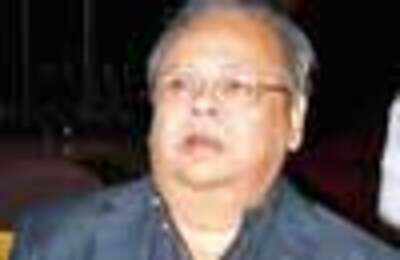
Prominent authors, columnists and social commentators gathered in Kolkata to discuss how a city can be at the root of a creative process.
The discussion on the second day of the Kolkata Literary Festival 2011 was all about “what you draw from the city” quoted venerated author and columnist Bachi Karkaria who also moderated the discussion, titled City as Muse. Panelists included museum and gallery educator Katherine Rose, Bengali author Mani Shankar Mukherjee, author Syeda Imam, social commentator and columnist Santosh Desai, novelist Zac O’Yeah and social entrepreneur Nandita Palchoudhuri.
Post the introductions, Mani Shankar shared some facts with the audience about his muse, Calcutta. “This city is the background for most of my 80-plus books. This is where Rabindranath Tagore penned the National anthem of not just India, but also neighbouring Bangladesh. This city is where our National song, “Vande Mataram”, was also born. In Calcutta, we pamper the poet and almost every second Bengali is a poet. Although I’m not a Calcutta-born, I’m Calcutta-bred, and if all goes well, Calcutta-dead.”
Zac, who has lived in several parts of the world — Sweden, Finland, Bengaluru, etc — said, “I have a polygamous relationship when it comes to cities, not women. I believe, an ideal novel needs to have three things: plot, characters and a definite setting or city. The city could be specifically mentioned or an ‘every city’.”
On similar lines, Katherine said, “A city as a muse is essentially a space that could facilitate creativity and invention.” Nandita, however, said, “I identify most with Calcutta, but the city, for me, is a resource pool.” She also raised some pertinent questions during the discussion. “What makes an artiste choose a particular city as a muse? Is it familiarity or the presence of certain values that the author thinks are absent in his/her own living environment?”, she questioned.
Santosh said that his muse was Delhi. “Delhi has acted as a framework for my interest of documenting everyday life in India as this city has a rich historical heritage. But it also has a monumental disregard for history. On the contrary, there is something about Calcutta which seems to value memory. People here have almost a geological sense of time, but Delhi does not necessarily carry a lot of vestiges of the past. Delhi is where realities are getting constructed all the time,” he said.
On being asked how it feels when those very cities that authors write about as their muse change in their spirit, Zac very aptly said, “Cities that don’t change are harder to write about. If the city doesn’t change, where is the conflict which can be written about?”
Santosh Desai
Delhi is the one city where the middle class wears all its dizzying anxieties and aspirations on its sleeve. A city defined not by its history or the many wonderful monuments that dot its landscape, but by the frenetic energy of the present, where nothing can be taken for granted and everything has to be hustled. The story of Delhi is the story of its people and so much can be gleaned by just watching them as they carry on the mundane business of their everyday lives.
Bachi Karkaria
Calcutta was the muse which inspired me to start writing about cities. Her warts were even more inspiring than her many wonders. She urged me to explore her innermost secrets and even her crumbling innards. I marvelled and I learnt.
Follow us on Twitter for more stories
The discussion on the second day of the Kolkata Literary Festival 2011 was all about “what you draw from the city” quoted venerated author and columnist Bachi Karkaria who also moderated the discussion, titled City as Muse.
Post the introductions, Mani Shankar shared some facts with the audience about his muse, Calcutta. “This city is the background for most of my 80-plus books. This is where Rabindranath Tagore penned the National anthem of not just India, but also neighbouring Bangladesh. This city is where our National song, “Vande Mataram”, was also born. In Calcutta, we pamper the poet and almost every second Bengali is a poet. Although I’m not a Calcutta-born, I’m Calcutta-bred, and if all goes well, Calcutta-dead.”
Zac, who has lived in several parts of the world — Sweden, Finland, Bengaluru, etc — said, “I have a polygamous relationship when it comes to cities, not women. I believe, an ideal novel needs to have three things: plot, characters and a definite setting or city. The city could be specifically mentioned or an ‘every city’.”
Although she is mostly related to Hyderabad, Syeda mused that having married a man from Calcutta, she felt she had married Calcutta. While explaining her idea of a muse, she said, “Possessing the muse, I believe, often takes away the power from it. But then again, Mumtaz Mahal was strongly possessed by Mughal emperor Shah Jahan and she continued to be a muse even in death. Not trying to be corny, but, Mumtaz was a monumental muse. So yes, a muse could be a place or a person or anything that inspires you to do something.”
On similar lines, Katherine said, “A city as a muse is essentially a space that could facilitate creativity and invention.” Nandita, however, said, “I identify most with Calcutta, but the city, for me, is a resource pool.” She also raised some pertinent questions during the discussion. “What makes an artiste choose a particular city as a muse? Is it familiarity or the presence of certain values that the author thinks are absent in his/her own living environment?”, she questioned.
Santosh said that his muse was Delhi. “Delhi has acted as a framework for my interest of documenting everyday life in India as this city has a rich historical heritage. But it also has a monumental disregard for history. On the contrary, there is something about Calcutta which seems to value memory. People here have almost a geological sense of time, but Delhi does not necessarily carry a lot of vestiges of the past. Delhi is where realities are getting constructed all the time,” he said.
On being asked how it feels when those very cities that authors write about as their muse change in their spirit, Zac very aptly said, “Cities that don’t change are harder to write about. If the city doesn’t change, where is the conflict which can be written about?”
Santosh Desai
Delhi is the one city where the middle class wears all its dizzying anxieties and aspirations on its sleeve. A city defined not by its history or the many wonderful monuments that dot its landscape, but by the frenetic energy of the present, where nothing can be taken for granted and everything has to be hustled. The story of Delhi is the story of its people and so much can be gleaned by just watching them as they carry on the mundane business of their everyday lives.
Bachi Karkaria
Calcutta was the muse which inspired me to start writing about cities. Her warts were even more inspiring than her many wonders. She urged me to explore her innermost secrets and even her crumbling innards. I marvelled and I learnt.
Follow us on Twitter for more stories
End of Article
FOLLOW US ON SOCIAL MEDIA
Visual Stories








Photostories
Featured In Lifestyle

Popular Categories
Entertainment NewsBollywood NewsTollywood NewsKollywood NewsMollywood NewsMovie ReviewsLatest Hindi MoviesLatest Tamil MoviesMX PlayerParenting TipsHome RemediesWeight LossBeauty TipsParenting TipsHindi VideosHindi Video SongsBhojpuri Music VideosLatest Telugu MoviesBhojpuri Music VideoHindi TV News
Trending in Entertainment
Latest MoviesBollywood MoviesHollywood MoviesTamil Movies 2024Telugu Movies 2024Malayalam Movies 2024Kannada Movies 2024Marathi Movies 2024Bengali Movies 2024Top Rated Movies 2024Best Hindi MoviesBest English MoviesBest Telugu MoviesBest Tamil MoviesBest Malayalam MoviesBest Kannada MoviesBest Bengali MoviesUpcoming Hindi MoviesBest Movies Of All TimeBest Hindi Movies of All Time
Trending in Etimes
Horoscope TodayNumerology Predictions TodayDinner With TrumpTim WalzIvanka TrumpJose LopezKristina JoksimovicJoe WilsonTrump Eating The Dogs SongGermany NewsKamala HarrisPrince HarryPatriot Day 2024Diabetes RiskHappy Mindfulness Day 2024Trump Vs HarrisJoe JonasPositive Thinking Day 2024Dave Bautista
Trending in TV
Trending in Lifestyle
Trending in Regional
Movie Reviews
Berlin ReviewThe Buckingham Murders ReviewSpeak No Evil ReviewVisfot ReviewThalapathy Is The G.O.A.T ReviewRebel Ridge ReviewDetective Conan vs. Kid the Phantom Thief ReviewBeetlejuice Beetlejuice ReviewPad Gaye Pange ReviewA Wedding Story ReviewThe Diary Of West Bengal ReviewTikdam ReviewKinds Of Kindness ReviewAfraid Review
Upcoming Hindi Movies
Upcoming Regional Movies
Latest News
Challenges won’t stop me from making films that matter: Aditya Kripalani3 Reasons Why Hell in a Cell Tag Team Match Between Cody Rhodes, Roman Reigns and The Bloodline 2.0 Would Be perfect for Bad Blood 2024Odisha to join Ayushman plan; Delhi, Bengal to be only holdoutsRobert's wild encounter with Henry, the world's oldest 124-year old crocodile; internet shocked | Watch videoHooda says Congress coming to power in Haryana, asks criminals to give up crime or leave state‘I Hate Taylor Swift!’: Donald Trump rages after singer endorses Kamala HarrisFather-son duo Eugene and Dan Levy's dazzling entrance at the EmmysFather rapes and murders 8-year-old daughter in Madhya Pradesh, throws body in wellBakuchiol: Nature’s answer to youthful skin radianceSaudi Arabia footballer Fahad Al-Muwallad hospitalized after fall from balcony'Will hug my kids extra tight tonight': JD Vance after Trump 'assassination attempt'Bengal govt blames junior docs for logjam but sends fresh offer for talksLodi-era mosque collapses in AgraVineet Kumar Singh calls Superboys of Malegaon standing ovation at TIFF a 'magical experience': 'I can still hear the clapping and whistling" - ExclusiveFoods to pair with dates for boosting immunityNeeraj Chopra misses second Diamond League title by an agonising 1 cm; finishes second behind AndersonRain washes out England-Australia T20I series finaleKejriwal says he will quit as CM in 2 days, wants aam aadmi's 'honesty certificate'
Other Group Sites -
ETimes is an Entertainment, TV & Lifestyle industrys promotional website and carries advertorials and native advertising.