Trending
This story is from November 13, 2018
More #MeToo charges against Jatin Das
A bevy of fresh sexual misconduct allegations have been levelled against Padma Bhushan recipient artist Jatin Das in an article that appeared in the Caravan magazine’s November issue. Altogether 11 women have come out to speak against the artist in the article. The #MeToo allegations against actor Nandita Das’s father started on October 16, when conservationist Nisha Bora accused Das of sexually harassing her at his Khidki village studio in 2004.
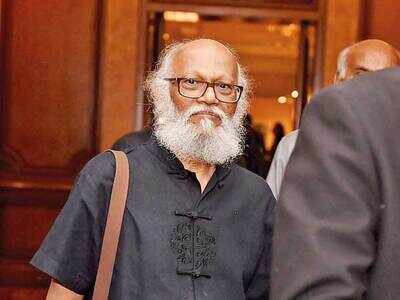

In the Caravan article, allegations are also levelled by Indo-Canadian journalist Shree Paradkar, who first met Das when she was a young reporter working in the Times of India, Bengaluru, in the mid-1990s. During an interview, Paradkar alleges that Das had kissed her cheek, “very close to her mount on her jawline and her neck”. When the artist had not listened to her protests, she had to push him. Disturbed by the turn of events, she had rushed to a friend’s house and confided in her. “I just cried, and just howled away,” Paradkar told the magazine. But she finally filed the interview and it was published within a few days.
Various other women, on conditions of anonymity, have shared their experiences. Some have alleged that the artist had breached personal spaces. One of the allegations is from a journalist who said he would sit very “close” to her when she was working on the computer. “He was sitting this close to me, this close that I was sure he could smell my breath, and I knew I could smell his” – she alleged. But the lady told the magazine that she hadn’t spoken out then because it was her “first or second professional experience”, and she was worried about being branded a “touch-me-not”.
The article goes on to stress the fact that there has been no closure for these women, whose lives had been impacted negatively by their encounters with Das. “Till now, as far as Das was concerned, his routine harassment of women had been just that: a part of a routine that did not tarnish his reputation or interfere with his larger-than-life persona,” the article said. Bora has also wondered what happens next. “Should this individual be allowed to hold the country’s third highest civilian award? If yes, what does it say about us as a country?” Bora has raised this question.
Since October, the artist has, however, been refuting the charges, calling them “vulgar”. “I don’t know who they are. It’s so painful and vulgar. Anyone can say anything about anybody and it gets published… There might be truth to both sides, but it’s the innocent which loses dignity,” he has reportedly said.
His daughter, Nandita, who has been a vocal supporter of the #MeToo movement, said she will continue to support the movement “despite the disturbing allegations made against my father”.
End of Article
FOLLOW US ON SOCIAL MEDIA





Photostories
Featured In Lifestyle

Popular Categories
Entertainment NewsBollywood NewsTollywood NewsKollywood NewsMollywood NewsMovie ReviewsLatest Hindi MoviesLatest Tamil MoviesMX PlayerParenting TipsHome RemediesWeight LossBeauty TipsParenting TipsHindi VideosHindi Video SongsBhojpuri Music VideosLatest Telugu MoviesBhojpuri Music VideoHindi TV News
Trending in Entertainment
Latest MoviesBollywood MoviesHollywood MoviesTamil Movies 2024Telugu Movies 2024Malayalam Movies 2024Kannada Movies 2024Marathi Movies 2024Bengali Movies 2024Top Rated Movies 2024Best Hindi MoviesBest English MoviesBest Telugu MoviesBest Tamil MoviesBest Malayalam MoviesBest Kannada MoviesBest Bengali MoviesUpcoming Hindi MoviesBest Movies Of All TimeBest Hindi Movies of All Time
Trending in Etimes
Horoscope TodayNumerology Predictions TodayAustria ElectionJoe BidenKamala HarrisPopulated Indian CitiesAlcohol Cancer RiskIsrael Beirut WarSunita WilliamsIsrael Hezbollah WarNepal FloodBarbra StreisandSnoring Prevention TipsDonald TrumpMagnesium DeficiencyRelationship TipsLake Michigan DiscoveryElon MuskEkadashi in October 2024
Trending in TV
Trending in Lifestyle
Trending in Regional
Movie Reviews
Binny And Family ReviewLove, Sitara ReviewWill & Harper ReviewWolfs ReviewYudhra ReviewJo Tera Hai Woh Mera Hai ReviewKahan Shuru Kahan Khatam ReviewHis Three Daughters ReviewNever Let Go ReviewDancing Village: The Curse Begins ReviewTransformers One ReviewFirst Love ReviewBerlin ReviewThe Buckingham Murders Review
Upcoming Hindi Movies
Upcoming Regional Movies
Latest News
Dashing dad Ranveer Singh's dapper looks dole out men's fashion goals - PicsJ&K’s big message'Devara' box office collection day 5: Jr NTR's action drama holds steady as it mints Rs 13.50 crore‘We won’t eat now’: Padyatris go on hunger strike after Ladakh activist Sonam Wangchuk, 173 others detained by Delhi PoliceSebi announces new measures to tighten F&O trading, effective in phases from November 20Tirupati Laddu Prasadam row: Deputy chief minister Pawan Kalyan begins sacred trek as part of his Prayaschitha Deeksha to Tirumala7 mistakes new joggers make and how to avoid themXionism In Lux: Why global luxury biz bosses will obsess over China’s communist bossLibra, Daily Horoscope Today, October 02,2024: Patience will be your best tool todayAnanya Panday on being called the upcoming Alia Bhatt: I can't touch what she has doneVice Admiral Arti Sarin 1st woman to head AFMSWorkout routine of 92 year old which can put the young and adults to shameLet us pledge to build just, inclusive society: West Bengal CM Mamata on Gandhi's birth anniversaryWhy you must run in the morning on an empty stomachPalak Sindhwani pens a heartfelt note as she wraps shooting for Taarak Mehta Ka Ooltah Chashmah, writes 'I reflect on the past five years filled with hard work, dedication, and perseverance'Manipur CM Biren Sing bats for political talks to resolve crisis in stateWest Bengal doctors cease work again, government mulls legal moveSohum Shah gives updates on Tumbbad 2, denies fallout with director Rahi Anil Barve
Other Group Sites -
ETimes is an Entertainment, TV & Lifestyle industrys promotional website and carries advertorials and native advertising.