
From Titan Arum to Bulbophyllum Phalaenopsis: 7 worst smelling flowers of the world
From Titan Arum to Bulbophyllum phalaenopsis: 7 worst smelling flowers of the world
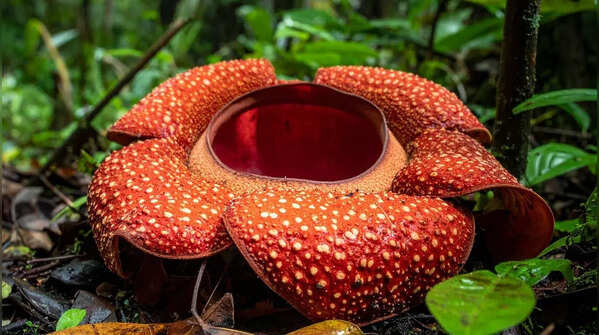
Most people associate flowers with fragrances and beauty. However, there are some flower types that have adopted different strategies. Instead of producing fragrances, some flowers are known for producing a smell that is similar to rotting meat, decay, sweat, or animal manure, which are used for attraction of beetles and flies for the purpose of plant reproduction. This type of survival strategy is interesting for botany enthusiasts despite its unpalatable smell. Below are seven of the most notorious foul-smelling flowers:
Image Credit: Canva
Titan Arum (Corpse flower)
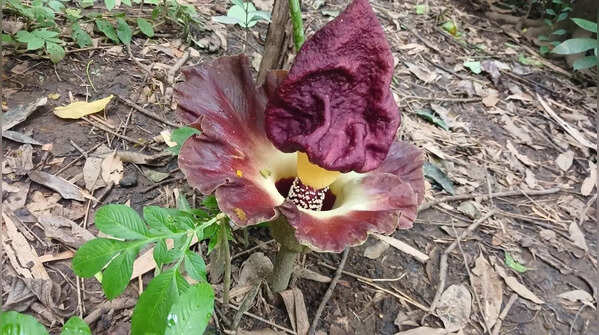
The titan arum is widely regarded as one of the smelliest flowers on Earth. When it blooms, it releases a powerful odour similar to rotting flesh to attract carrion-loving insects. The enormous inflorescence can grow several meters tall and blooms only briefly, often after many years of growth, making each flowering event rare and dramatic.
Image Credit: Canva
Rafflesia arnoldii
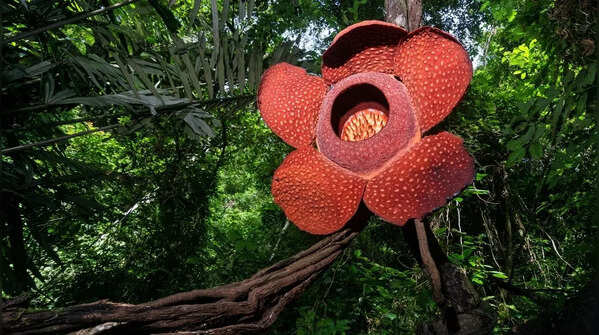
Rafflesia bears the biggest single flower of the world with an unpleasant stench like a decaying carcass. Rafflesia does not bear any leaves, stems, and roots; it solely depends on a host vine to survive. Its stench acts like bait to flies that help with the pollination of this parasitic plant, emphasising the significance of odour for its survival in nature.
Image Credit: Canva
Skunk Cabbage
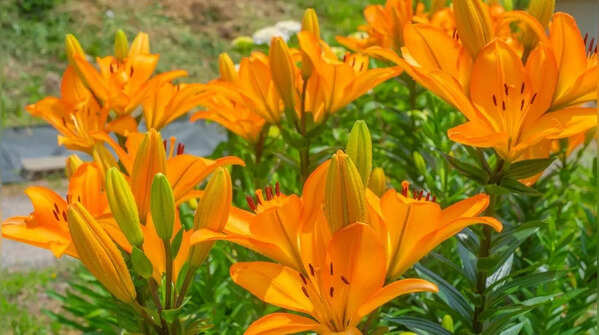
True to its name, skunk cabbage releases a rotten or skunk-like odour that attracts insects in swampy habitats. Some species even generate heat while blooming, melting surrounding snow and allowing pollinators to reach the flower more easily. Despite the unpleasant smell, this adaptation helps the plant reproduce successfully in cold environments.
Image Credit: Canva
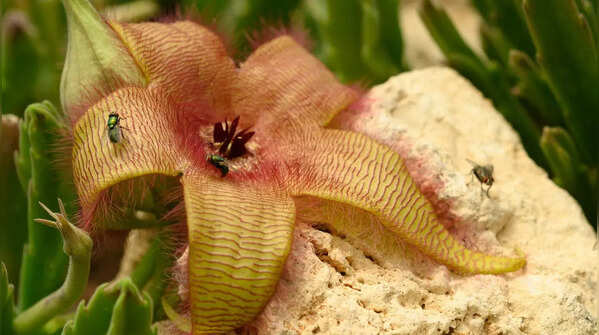
Carrion flower (Stapelia gigantea)
Native to South Africa, the carrion flower mimics the appearance and smell of decaying animal flesh. This deception attracts flies that normally feed on dead animals, turning them into accidental pollinators. Though unpleasant in scent, the star-shaped bloom is sometimes cultivated as an ornamental plant because of its unusual look.
Image Credit: Canva
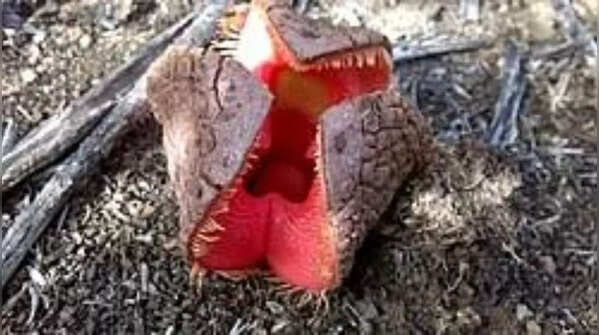
Hydnora africana
Hydnora africana is a strange underground-growing plant that emits a dung-like odour when it emerges to flower. The smell attracts beetles, which become temporarily trapped inside the bloom and help transfer pollen. This remarkable mechanism shows how even harsh odours can serve a precise ecological function.
Image Credit: Wikipedia
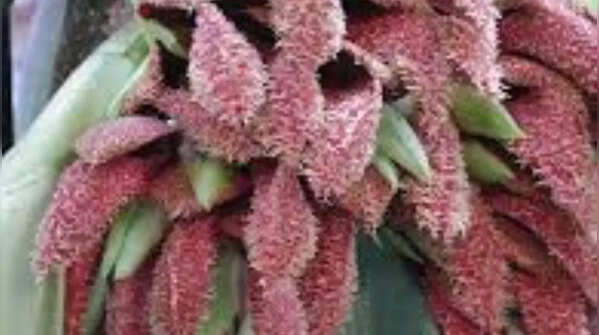
Bulbophyllum phalaenopsis
This exotic orchid from New Guinea produces a moldy, rotting-flesh smell rather than the pleasant fragrance typical of orchids. The scent draws flies that act as pollinators, illustrating how floral odour can vary widely depending on ecological needs rather than human preference.
Image Credit: Wikipedia
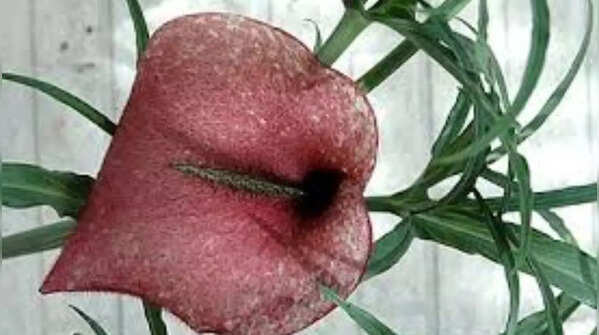
Dead horse arum lily
The dead horse arum lily emits a powerful stench similar to decaying flesh to attract blowflies and other carrion insects. These insects become key pollinators, ensuring reproduction. Like many foul-smelling flowers, its odour is not accidental but a carefully evolved biological signal.
The flowers show just how exceptional nature is in terms of creativity, even if their scents are not particularly pleasing. By mimicking spoilage or garbage, they invite the insects responsible for their reproduction and survival. What seems offensive to humans is often a brilliant evolutionary strategy, reminding us that in the natural world, beauty is rarely linked with fragrance but with functions and adaptation.
Image Credit: Wikipedia
Featured In lifestyle

MORE FROM ETIMES
life & style