
From Coelacanth to Lamreys: 8 living animals that existed even before Dinosaurs
From Coelacanth to Lamreys: 8 living animals that existed even before Dinosaurs
Dinosaurs ruled the planet between 230 to 66 million years ago, although many other life forms had evolved well before their existence. Moreover, some of these living creatures still exist today. These types of living fossils offer an interesting peek into the distant past. Such living creatures have been through many phases of extinction and have survived the extreme changes in the environment.
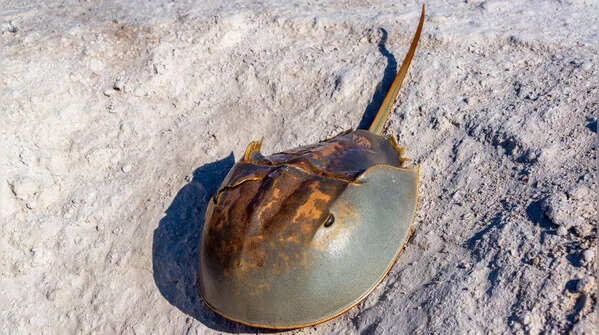
Horseshoe Crab
The horseshoe crab has existed on earth for about 445 million years. This dates them before the existence of the first dinosaurs. The horseshoe crabs are arthropods who live in the water. One of their characteristics is their copper-based blue liquid blood and their hard exterior. This blue liquid blood contains higher copper content compared to human blood. The blood of the horseshoe crabs is used in the detection of bacterial contamination.
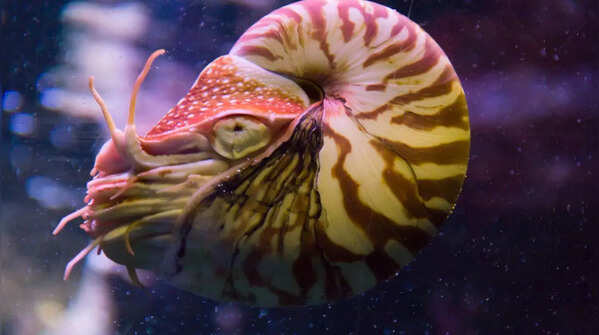
Nautilus
The nautilus, a shelled cephalopod, has lived on Earth for approximately 500 million years. The nautilus’ distinctive helical shell and successful jet propulsion system are reasons why it has lived for such a long period. Modern forms of nautiluses look similar to nautiluses that lived before the existence of dinosaurs.
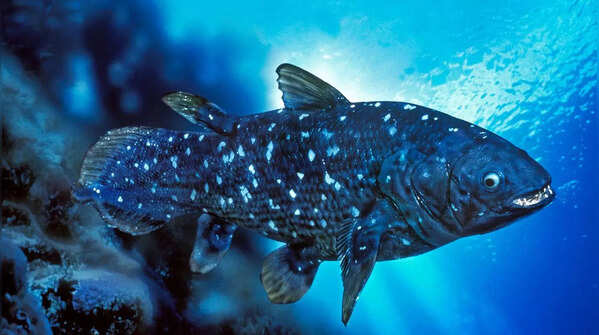
Coelacanth
The coelacanth, which was believed to be extinct for many years, is a deep-sea fish and has been around for approximately 400 million years. The presence of lobe fins in the coelacanth, resembling fish-like limbs, made them closely related to terrestrial creatures. The rediscovery of the coelacanths occurred in 1938.
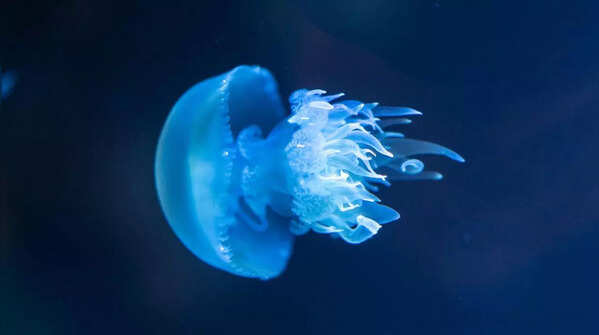
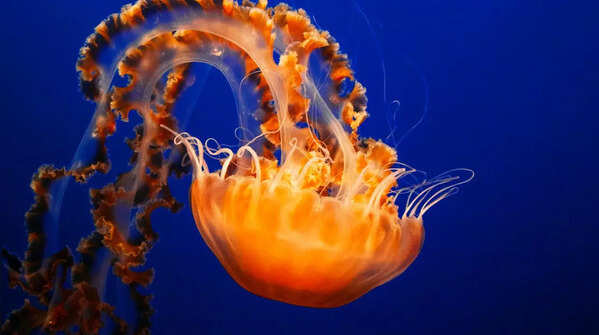
Jellyfish
Jellyfish are some of the oldest multicellular organisms, existing for over 500 million years. Jellyfish are gelatinous organisms with no bones, brains, or hearts, but their very simplistic design makes them very resilient. Jellyfish are found floating in oceans all over the world, existing through extreme changes in the environment, long before the emergence of the first dinosaurs.
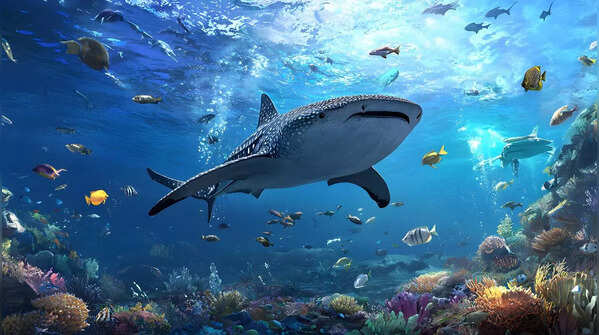
Sharks
There have been sharks on the planet for over 400 million years. Although not all shark species have remained the same over time, there has not been a significant change in the basic features of these fish. Sharks live in the oceans of the world and are still at the top of the ocean’s food chain.
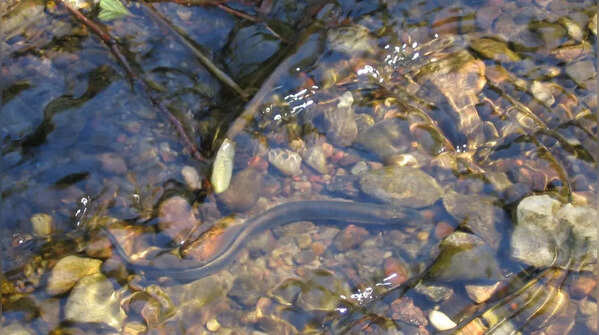
Lampreys
Lampreys are jawless fish that have been around for over 340 million years. These eel-like animals attach to other fish with a round, toothed mouth and feed parasitically. Their primitive structure and ancient lineage make them among the oldest vertebrates still living today.
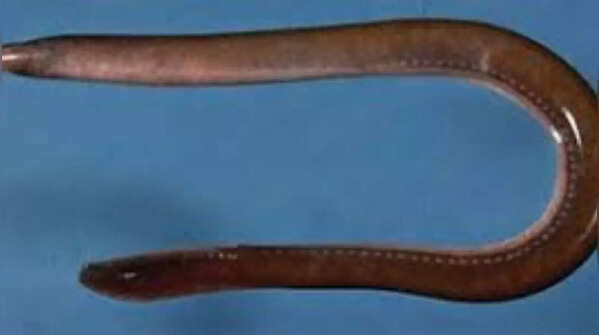
Hagfish
Hagfishes are also very old saltwater creatures, having lived for around 300 million years. These eel-like animals put out a lot of slime in self-defense and live by consuming dead and dying creatures on the ocean floor. As in the case of lampreys, the anatomy of hagfishes represents many features of very old vertebrates.
Image Credit: Wikipedia
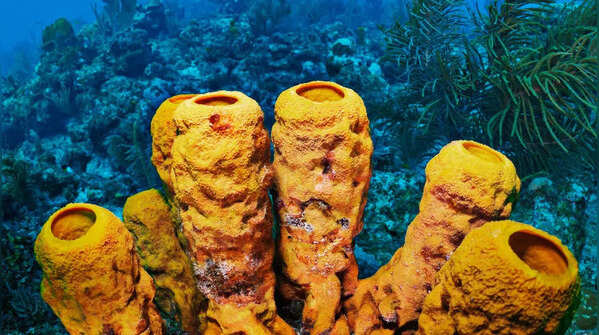
Sea Sponges
Sea sponges have existed as multicellular organisms for approximately 600 million years. They filter water and form the basis for marine life. It is believed that the evolution of these creatures took place before the Cambrian explosion. This happened before the dinosaur era.
These remarkable animals remind us that life on Earth began deep in the past, and some lineages have withstood dramatic changes over hundreds of millions of years, including the rise and fall of the dinosaurs. While they may have evolved in small ways, their roots carry us back to ancient ecosystems that existed long before dinosaurs ever appeared.
Featured In lifestyle

