Trending
This story is from February 22, 2020
Cups, cloth and sponges: Periods go #green
From #GreentheRed and #CupandCloth to #GreenPeriodCleanPeriod, and #PeriodofChange – sustainable period management is trending, and how, today. .

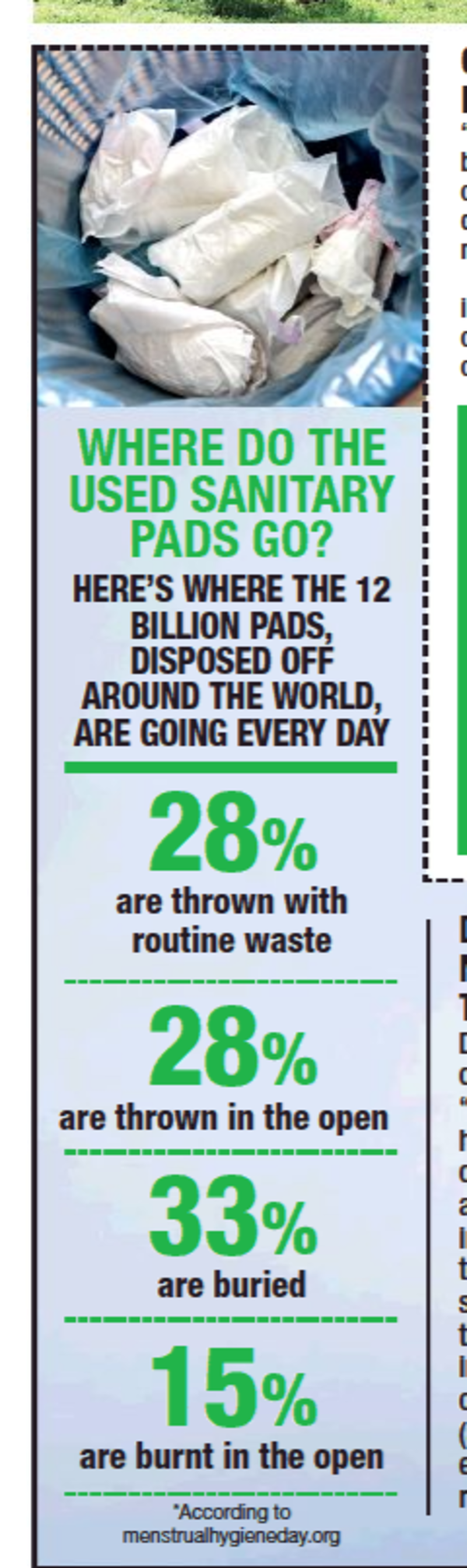
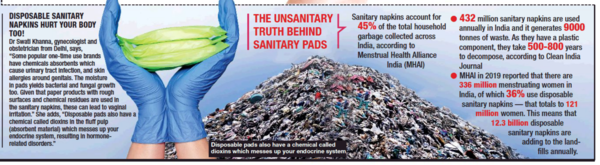
The troubling stats on the environmental impact of non-compostable sanitary napkins and tampons – tonnes of which fill landmines across the world – has prompted an online, as well as offline, conversation on greener menstrual solutions.

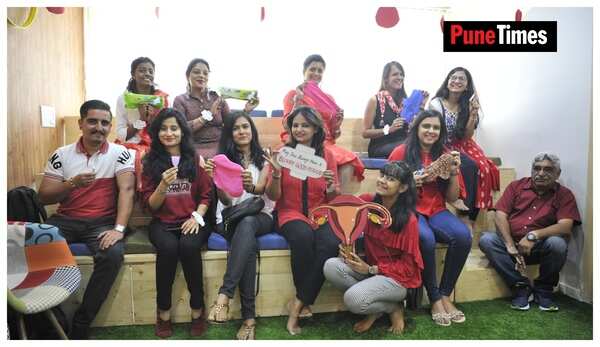
“Sanitary napkins with non-compostable plastic liners, chemical-based absorbents and non-biodegradable covers cause colossal damage to the environment, as these take hundreds of years to disappear from the earth. Fortunately, when we conducted a survey, we found out that 6 out of 10 women aged 22-40 are saying no to regular sanitary pads and are making a conscious choice of using eco-friendly period products or are at least willing to switch to sustainable products,” says Chandana Bhowmick, an environmental activist from Kolkata, who spearheads the ‘green period management’ campaign.
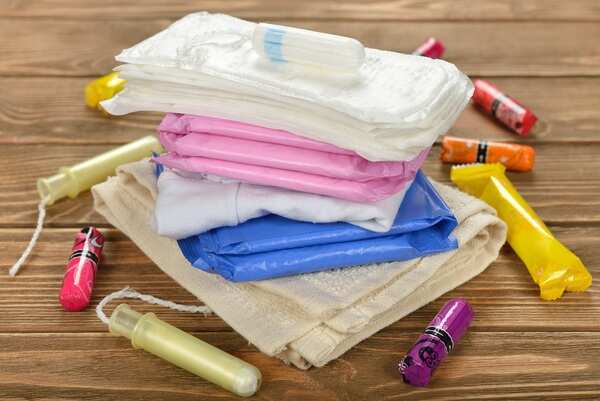
Here’s what #greenperiods are all about....
Menstrual cups: Not just body-safe but also planet-safe
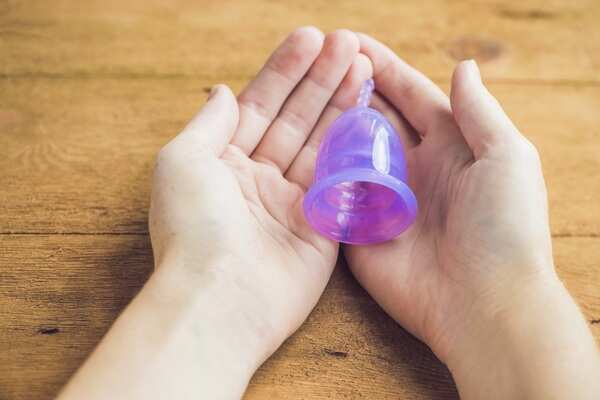
Menstrual cups, made of silicon, have become one of the most popular hygiene products among young women these days. These save both, money and the planet.
“Menstrual cups are magical. These hold up to 29 ml/6 tsp liquid, hence you just need to empty it out twice a day. A menstrual cup from a good brand can be used for more than eight years and the best thing is that you hardly need any water to clean it. Online tutorials teach you the right way to use them,” says Deepali Chaudhary, a photographer from Pune, who uses cups. “Just one cup can make a huge difference. Even if it lasts for five years, you don’t dispose off pads for 60 months and that is huge,” she adds.
Why choose menstrual cups?
A report by The Lancet Public Health states that one cup produces an estimated 0.4% of the plastic waste that single-use pads build up or 6% of that created by tampons in the span of 10 years.
Cloth pads, disposable napkins and reusable tampons on the rise
“I have been using biodegradable pads since over a year now and love them, because they are made with corn starch and bamboo fibres with no chemical substances. They break down easily and decompose when disposed off. I believe this the best way to do my bit for the environment,” says Renee Shah, a student from Bengaluru.
Diva Diwan who owns a biodegradable sanitary pad brand based in Delhi, says, “These sustainable pads and tampons don’t just decompose, but are also made by recycling plant waste. No trees are cut in the process. So, this way, you hit two birds with one stone.”
How hassle-free are cloth pads?
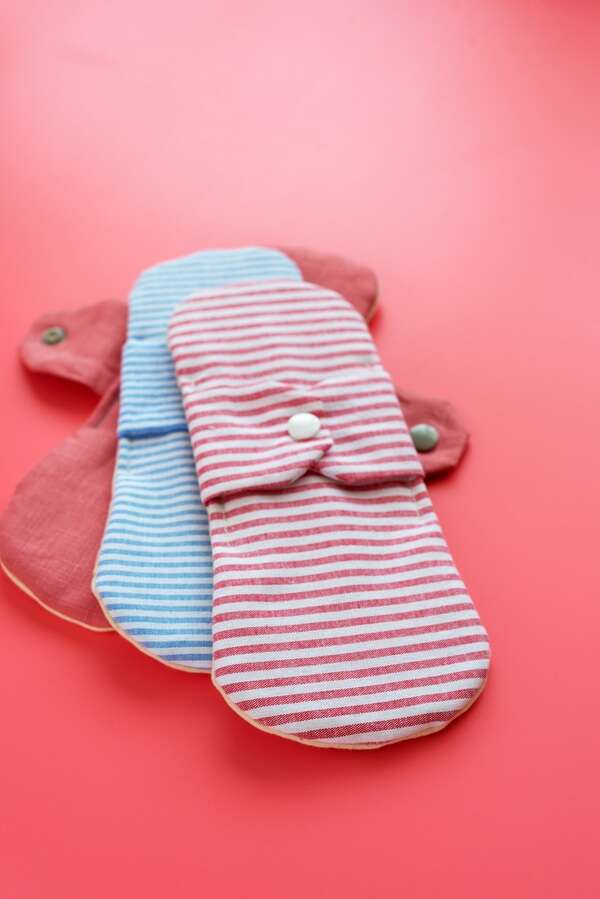
Deepa Bist, founder of Sakhi, a sustainable cloth pad brand from Udaipur, says, "Cloth pads come in attractive colours and patterns with buttoned-wing flaps that hold onto your panties really well. Almost every cloth pad available in the market has a leak-proof layer as the base. Some even come with two, three and four-fold inserts, depending on your flow. The base can be worn the entire day and the inserts can be changed as and when needed. Many cloth pads have banana or bamboo fibres that are excellent absorbents and can be washed, dried and used over and over again for years on end."
Tampons, sponges, and discs to the rescue
“A period disc is the easiest way to cut down on one’s carbon footprint. And while it isn’t reusable, it holds five times more fluid than regular tampons, which means lesser waste generated,” says Shreya Saxena, a homemaker from Mumbai.
These shallow discs are inserted at the opening of the vaginal canal to absorb the flow. “Environmental-friendly sponges, that are extracted from the sea, are becoming popular once again. They can soak up a lot more blood than tampons and last up to a year,” says Chennai-based Geethika Pillai, who sells period sponges. Ragini Dua, from Delhi, who just switched to sponges recently, says, “Just wet the sponge, and insert it after you’ve squeezed the water from it. These come with a string that needs to be pulled when you want to remove it. They are easy to wash too.”
Organic and sustainable period panties are another sustainable option. “They are leak-proof and you don’t need to use a pad or cup in addition. I bought two pairs three years ago and I’m still using those,” says Shivani Suri, a banker from Pune.
End of Article
FOLLOW US ON SOCIAL MEDIA







Photostories
Featured In Lifestyle

MORE FROM ETIMES
life & stylePopular Categories
Entertainment NewsBollywood NewsTollywood NewsKollywood NewsMollywood NewsMovie ReviewsLatest Hindi MoviesLatest Tamil MoviesMX PlayerParenting TipsHome RemediesWeight LossBeauty TipsParenting TipsHindi VideosHindi Video SongsBhojpuri Music VideosLatest Telugu MoviesBhojpuri Music VideoHindi TV News
Trending in Entertainment
Latest MoviesBollywood MoviesHollywood MoviesTamil Movies 2024Telugu Movies 2024Malayalam Movies 2024Kannada Movies 2024Marathi Movies 2024Bengali Movies 2024Top Rated Movies 2024Best Hindi MoviesBest English MoviesBest Telugu MoviesBest Tamil MoviesBest Malayalam MoviesBest Kannada MoviesBest Bengali MoviesUpcoming Hindi MoviesBest Movies Of All TimeBest Hindi Movies of All Time
Trending in Etimes
Horoscope TodayNumerology Predictions TodayWalking BenefitsBreast Cancer DiagnosisYung Filly Rape CaseTaylor Rousseau GriggBelly FatSean Diddy CombsOzempic PersonalityDepression RiskBelly Fat LossDurga Visarjan 2024Toxic FriendshipDonald TrumpElon MuskDussehra 2024Durga Ashtami 2024Multitasking TipsSaraswati Visarjan 2024
Trending in TV
Trending in Lifestyle
Trending in Regional
Movie Reviews
Binny And Family ReviewLove, Sitara ReviewWill & Harper ReviewWolfs ReviewYudhra ReviewJo Tera Hai Woh Mera Hai ReviewKahan Shuru Kahan Khatam ReviewHis Three Daughters ReviewNever Let Go ReviewDancing Village: The Curse Begins ReviewTransformers One ReviewFirst Love ReviewBerlin ReviewThe Buckingham Murders Review
Upcoming Hindi Movies
Upcoming Regional Movies
Latest News
Harris overtakes Trump among suburban voters: Reuters/Ipsos pollSamantha Ruth Prabhu shares playtime with Chinmayi Sripaada's daughter, says 'It took her 4.5 seconds to disown her parents'Dilip Kumar-Saira Banu wedding anniversary: How the legendary actor surprised all by marrying his belovedSpiritual fervour all around as Sun God steers Lord's chariot at TirumalaHappy Dussehra 2024: Images, Quotes, Wishes, Messages, Pictures and GreetingsInfosys to no longer send job offer letters and attachments, the company will ...Jaggery vs honey: Which one is better for weight loss?My mother would love to have a swayamwar for me: Raj AnadkatRanji Trophy: Focus on Shreyas Iyer as Mumbai begin title defenceHappy Dussehra 2024: Top 50+ Wishes, Messages, and Quotes to Share with Your Loved OnesBigg Boss 18: Karan Veer Mehra's comment on Arfeen Khan converting his wife's religion sparks anger; Arfeen says, "Agar ye ghar mein nahi hota main iski band baja deta"Happy Dussehra 202: Top 50 Wishes, Messages and Quotes to share with your loved onesAmitabh Bachchan turns 82: Priyanka Chopra, Prabhas, Kajol, and other celebs extend heartfelt birthday wishes to the legendary starPutin won't discuss Ukraine peace with Germany's Scholz, Berlin saysIndia's Steel City (Jamshedpur) mourns loss of iconic steel tycoon Ratan Tata“A fresh approach”: New York Jets' Interim Head Coach Jeff Ulbrich Replaced Nathaniel Hackett as Offensive Play Caller With Todd DowningKarnataka Congress faces backlash over case withdrawals linked to Hubballi riotsWomen's T20 World Cup: Don't need to be told about NRR, says Shafali Verma
Other Group Sites -
ETimes is an Entertainment, TV & Lifestyle industrys promotional website and carries advertorials and native advertising.