Trending
This story is from March 5, 2013
Chennai goes pop!
While the art scene in the city has been going great guns, pop art seems to be having its impact as well. Popular culture now seems to have taken the art world here by storm.
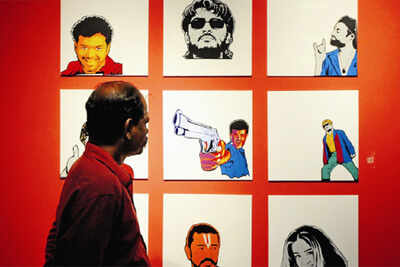
When we asked noted art connoisseur Sharan Apparao as to why pop art was getting more popular in Chennai, she said, “I think people are now recognising the fact that popular culture is also a form of art.

The transference of street imagery into the sphere of fashion, lifestyle and the art world itself, possibly had its biggest impact when Andy Warhol took it and made it popular.
Now pop art is not restricted to the ‘canvas’ but has moved on to furniture, furnishings, clothes, accessories and even crockery. Ketna Patel, for instance, an award-winning pop artist who is a Singapore-based, has held several shows here in Chennai of her work – she dabbles in limited-edition art pieces that include furniture. But there are others — like graphic designers in the city — who have taken a fancy to this medium of expression.
In India, there’s increasing popularity of this form of work but if one were to invest in them, would these art pieces have any resale value? Yes, say art experts, but again it depends on the artist and the quality of work. “Pop art or popular culture is one root or basis for an artist...so it is as good as another form of art. It is the end outcome and what it is that makes the difference not whether it is ‘pop or classical or new’ or x,” says Sharan.
What is pop art?
It is defined as popular art and emerged from the pen of English critic Lawrence Alloway in the late 1950s to describe what he viewed as a contemporary attitudinal shift in subject matter and techniques of art. Beginning in England in the mid-1950s and America in early ‘60s, pop art focussed on everyday objects rendered through an adoption of commercial art techniques. In doing so, artists availed themselves of images and ideas culled from popular culture, including movies, comic books, advertising, and especially, television - faithfully reproduced in all their mass-produced glory.
End of Article
FOLLOW US ON SOCIAL MEDIA
Visual Stories







Photostories
Featured In Lifestyle

Popular Categories
Entertainment NewsBollywood NewsTollywood NewsKollywood NewsMollywood NewsMovie ReviewsLatest Hindi MoviesLatest Tamil MoviesMX PlayerParenting TipsHome RemediesWeight LossBeauty TipsParenting TipsHindi VideosHindi Video SongsBhojpuri Music VideosLatest Telugu MoviesBhojpuri Music VideoHindi TV News
Trending in Entertainment
Latest MoviesBollywood MoviesHollywood MoviesTamil Movies 2024Telugu Movies 2024Malayalam Movies 2024Kannada Movies 2024Marathi Movies 2024Bengali Movies 2024Top Rated Movies 2024Best Hindi MoviesBest English MoviesBest Telugu MoviesBest Tamil MoviesBest Malayalam MoviesBest Kannada MoviesBest Bengali MoviesUpcoming Hindi MoviesBest Movies Of All TimeBest Hindi Movies of All Time
Trending in Etimes
Horoscope TodayNumerology Predictions TodayWalz Vs VanceJD VanceKamala HarrisPopulated Indian CitiesAlcohol Cancer RiskNational Boyfriend Day 2024Sunita WilliamsDepression RiskNepal FloodBarbra StreisandSnoring Prevention TipsDonald TrumpMagnesium DeficiencyRelationship TipsLake Michigan DiscoveryRelationship TipsEkadashi in October 2024
Trending in TV
Trending in Lifestyle
Trending in Regional
Movie Reviews
Binny And Family ReviewLove, Sitara ReviewWill & Harper ReviewWolfs ReviewYudhra ReviewJo Tera Hai Woh Mera Hai ReviewKahan Shuru Kahan Khatam ReviewHis Three Daughters ReviewNever Let Go ReviewDancing Village: The Curse Begins ReviewTransformers One ReviewFirst Love ReviewBerlin ReviewThe Buckingham Murders Review
Upcoming Hindi Movies
Upcoming Regional Movies
Latest News
Kolkata’s Ganga ghats transform into a hub of rituals with the arrival of DurgaNavratri Will Be Luckiest for These Signs5 corporate employees share their workplace horror storiesNeelam Kothari speaks out against ageism says 'aunties' label is uncoolYouTube Shorts extends duration to 3 minutesWill join NCP (SP) with supporters, says BJP leader Harshvardhan PatilInsider Claims Nick Sirianni Plays 'Madden' with Eagles, While AJ Brown Is Celebrated as Jalen Hurts' Savior'We spoke about it and ...': What Trump said on wife Melania backing abortion rights in new memoirTDP welcomes SC's ruling on SIT to probe Tirupati laddu adulterationJannik Sinner not 'comfortable' as doping case clouds Shanghai campaignKolkata shoppers flood markets ahead of Durga Puja weekend rushCongress leader urges West Bengal governor to act against politicians for polarizing votersWWE Throwback: Shawn Michaels retires with a heartfelt speech after losing the “Career vs Streak” matchSupreme Court dismisses pleas seeking review of sub-classifications in SC reservation judgmentCoin Master free spins and coins for 4 October, 2024: Earn million of coins using today’s link'Disappointing, condemnable but not ... ': India on fugitive Zakir Naik's Pakistan visitTechnological advancements have revolutionized cancer treatment, say doctorsPakistan seals off capital, suspends internet ahead of rally by Imran Khan's supporters
Other Group Sites -
ETimes is an Entertainment, TV & Lifestyle industrys promotional website and carries advertorials and native advertising.