Trending
This story is from October 2, 2024
Chef Smit Sagar embarks on a nutritious journey - one school at a time
Chef Smit aims to inspire the next generation to make informed food choices, setting the foundation for lifelong health and well-being.
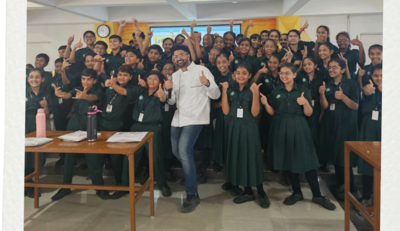
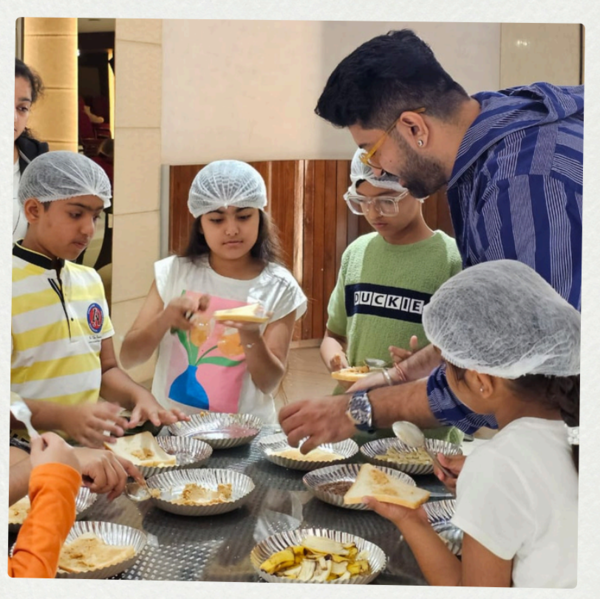
What is the Foodomics initiative about?
Foodomics Culinary Arts is a multi-skill culinary course which aims to empower children to develop lifelong cooking skills that will enable them to make healthy and informed food choices. Th educational module is designed to create a generation of healthy and food-literate community who are passionate about food and cooking. The goal is:
- Emphasise the importance of balanced nutrition and home-cooked meals
- Learning to cook healthy meals allows you to control the ingredients
- Promote traditional Indian recipes with innovation
- Teach students about the origins of food, seasonal produce, and the benefits of whole foods.
- Equip students with practical cooking skills to prepare meals independently.
- Cooking at home reduces reliance on processed foods
- Foster a spirit of entrepreneurship through food-based projects.
- Encourage students to share culinary knowledge with family and friends.
I have seen school menus for lunch and they are not balanced at all. For example, a school in Gujarat served: Breakfast: Cutlet (deep fried) served with ketchup (processed and is just sugar only), cereals (heavily sugar-based product), Lunch: Paneer curry, vegetable curry, roti and rice snacks: puff, sandwiches, Dinner: rice dish, curry, dal and roti. How is this healthy for a child? There is so many fats involved and calorie-wise, it is more than what a child should consume. The catering at the school doesn't have chefs with culinary degrees. These are just cooks who do not have the knowledge to design a menu. This inspired me to do something about the scenario. I connected with dentists, gastroenterologists, pediatricians, nutritionists and chefs from Ministry of Tourism and designed this course so that we can bring a small healthy change.
What is included in the seven modules?
The seven modules include: Healthy Diet, Safety in Kitchen, Table Etiquette, 28 cuisines of India, Understanding Vegetables (How to pick them and know the water content, how to grow them, what to pair with and health benefits), Understanding Fruits (How to pick them and know the water content, how to grow them, what to pair with and health benefits), Substitute of Sugar, How to have a balanced meal, Understanding Ayurveda, Understanding Taste and Mouthfeel, The Rice of India, The Milk of India, The Cheese of India (how to make them and also the cheese from west), The Science of Spice, Baking, World Cuisine, The Millets of India and Indian Food History. This will help them to understand about our Indian food culture but will also give them in depth knowledge about creating healthy and balanced meals with minimum ingredients. We offer 10 courses annually. Our course starts from Grade 1 to Grade 11 excluding Grade 10.
Unhealthy eating of students is a universal concern. How can it be countered step-wise?

Unhealthy eating habits can negatively impact their physical and mental health, academic performance, and overall well-being. Here are some steps to address this issue:
- Incorporate nutrition education into the school curriculum.
- Conduct awareness campaigns about the dangers of junk food and the benefits of healthy eating.
- Educate parents about the importance of providing healthy meals and snacks for their children.
- Ensure that school canteens and cafeterias offer healthy, nutritious options at affordable prices. There are many schools which feel chaat is an healthy option for children.
- Encourage schools not to have food stalls around them which are made with lowest quality of ingredients that affect the child’s health.
- Collaborate with FMCG brands and let them show you how processed food are made so that children get to know the real matter.
Being a flavourist and after working with many FMCG brands, I have learnt that they are all dependents on processed ingredients and artificial flavours. 60% of restaurants in India use some kind of processed food product to make the final dish like mayonnaise, ketchup, readymade pizza sauce, gravies, chutneys, dal, tomato puree, bread improver, excess gluten and food colours. More than 50% of restaurants do not have hygiene practices in kitchen. Children's taste buds are developing, and they may naturally gravitate towards foods that are high in sugar, salt, and fat.
Would you say pop culture is a factor in unhealthy eating habits?
Pop culture plays a significant role in shaping children's preferences and behaviours, including their eating habits. Many popular celebrities endorse fast food and sugary drinks, often portraying them as desirable and fun. This can create a positive association with unhealthy products in the minds of children. Television shows, movies, and video games often feature unhealthy food and drink products. This can normalise unhealthy eating habits and make them seem appealing to children. 2. Social Media: Social media platforms like Instagram and Youtube are filled with images and videos of unhealthy food, creating a desire for these products among children. 3. Convenience and Accessibility: Fast food and processed snacks are often highly convenient and easily accessible. This can make them a popular choice for busy families or children who have limited cooking skills.
What role can parents/schools play in this?
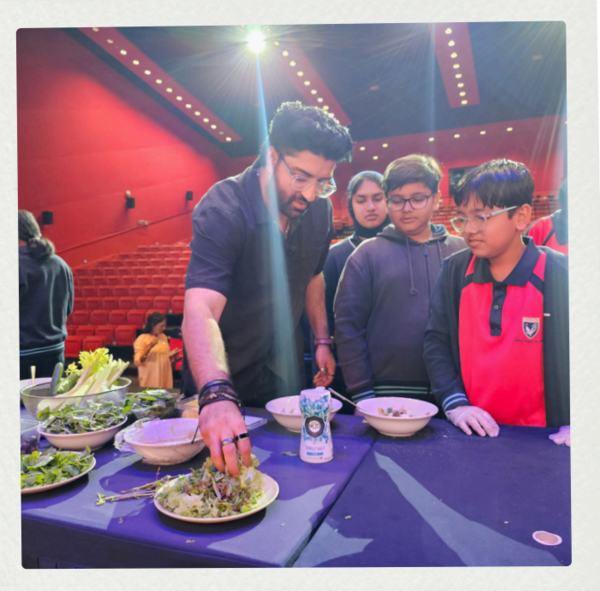
Teach children about the nutritional value of different foods and the importance of a balanced diet. Reduce exposure to media that promotes unhealthy food choices, and teach them how to cook healthy meals at home. Provide healthy alternatives to junk food and make them easily accessible. Celebrate our culture in schools so that children will have knowledge about our food traditions and ingredients that grow in our country. For example: Bihar Day - Make children understand the value of sattu and how a drink made out of it can be a meal on its own. Create menus understanding the age of students. For example: A child might be lactose intolerant so introduce oat milk, almond milk or coconut milk.
Children often imitate their parents or caregivers. Show them by example the importance of healthy eating.
- Make family meals a priority, where everyone eats together and discusses healthy food choices.
- Keep your pantry and fridge stocked with healthy snacks like fruits, vegetables, nuts, and whole grains.
- Let children help with meal preparation, such as chopping vegetables, mixing ingredients, or setting the table.
- Encourage children to read food labels and understand the ingredients.
- Use games, books, and activities to teach children about nutrition and the benefits of healthy eating. Tailor your explanations to their age and understanding.
- Avoid forcing children to eat foods they don't like. Instead, offer a variety of healthy options.
Why is Foodomics important in schools?
93% Children eat packaged food in India, 68% consume packaged sugar-sweetened beverages, 78% consume fast food, and 88% consume packaged sweet products. The prevalence of overweight and obesity among children and adolescents aged 5-19 has risen dramatically from 8% in 1990 to 20% in 2022. Our goal is to prepare Young India towards healthy cooking and eating habits
End of Article
FOLLOW US ON SOCIAL MEDIA







Tired of too many ads?go ad free now
Featured In Lifestyle

Tired of too many ads?go ad free now
MORE FROM ETIMES
life & styleHot on the Web
Yuzvendra ChahalOkra Water BenefitsCancer SymptomsJaaved JaaferiMere Husband Ki Biwi Movie ReviewKaun Banega Crorepati 16Justin BieberTwinkle KhannaVardhaan PuriArchana PuranHina KhanNita AmbaniShashi KapoorChhaava Box Office CollectionWorld's Beautiful HandwritingMahashivratri 2025Chhaava Movie ReviewChia SeedsNilavuku Enmel Ennadi Kobam ReviewAadar Jain-Alekha Advani's Wedding Live updatesDachigam National ParkUnique Penguin SpeciesPaneer Butter Masala Dosa RecipeNew Animal SpeciesCloves Health BenefitsMeat Eater BirdsMotivational QuotesAncient AnimalsParenting MistakesOats Omelette Recipe
Trending Topics
Latest MoviesBollywood MoviesHollywood MoviesTamil Movies 2024Telugu Movies 2024Malayalam Movies 2024Kannada Movies 2024Marathi Movies 2024Bengali Movies 2024Top Rated Movies 2024Best Hindi MoviesBest English MoviesBest Telugu MoviesBest Tamil MoviesBest Malayalam MoviesBest Kannada MoviesBest Bengali MoviesUpcoming Hindi MoviesBest Movies Of All TimeBest Hindi Movies of All Time
Popular Categories
Latest News
12 dead in bus-truck collision in Brazil, 3 days of state mourning declared“I retire with Pittsburgh”: Evgeni Malkin addresses future, no plans to leave Pittsburgh'Don't take me lightly': Eknath Shinde's 'warning' amid rumours of Mahayuti riftSebi revises investor charter for stock brokersGovt launches anti-rabies drive amid rising dog attacksKumar continued to ignore ...; the lines in Infosys vs Cognizant lawsuit that names CEO and other chargesConor McGregor vs. Khabib Nurmagomedov: Who Reigns Supreme in the Net Worth, the Richest UFC Superstar in 2025Krushna Abhishek reveals Kapil Sharma's one habit that made The Great Indian Kapil Show hit; Rajiv Thakur says, 'We will do whatever it takes for the show to work'Aadar Jain-Alekha Advani Hindu wedding: Alia Bhatt, Kareena Kapoor, Ranbir Kapoor, Saif Ali Khan, Neetu Kapoor, Agastya Nanda and others arrive in style at the venueRahul-Mayawati’s missed alliance: Decoding the game changer in Uttar PradeshChampions Trophy: Sourav Ganguly on why KL Rahul was preferred over Rishabh PantFear of ketchup? Woman's rare phobia of the popular condiment explainedIs Adam Schiff a new entry in Kash Patel's 'Enemies list'?Can Trump do a 'reverse Nixon' and break China and Russia apart?Was Triple H Right in His Decision to Leave Chyna for WWE’s Billion Dollar Princess Stephanie McMahon?'Traitor': BJP accuses Rahul Gandhi of colluding with foreign forces over USAID funding to weaken India₹1,100 for a 'Digital Snan' at Mahakumbh? Read to find out the truthCan Tamarind help lose belly fat?