
5 unbelievable predictions by Leonardo da Vinci ahead of his time
5 unbelievable predictions by Leonardo da Vinci ahead of his time
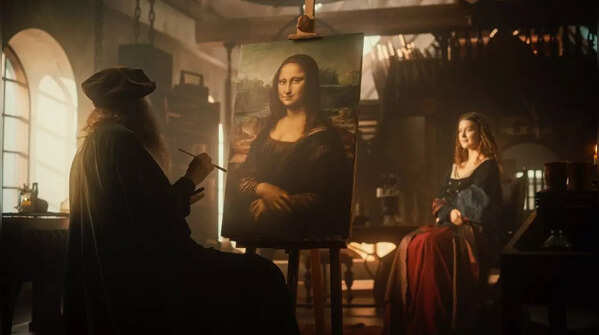
Leonardo da Vinci was not just a painter of masterpieces like the Mona Lisa, he was a visionary whose ideas stretched centuries beyond the Renaissance. His notebooks are filled with sketches and concepts that resemble technologies we know today but that were unimaginable in the 15th century. From machines meant to conquer the skies to devices for exploring underwater, da Vinci’s imagination often outpaced the tools of his era, leaving behind a legacy that continues to inspire innovators.
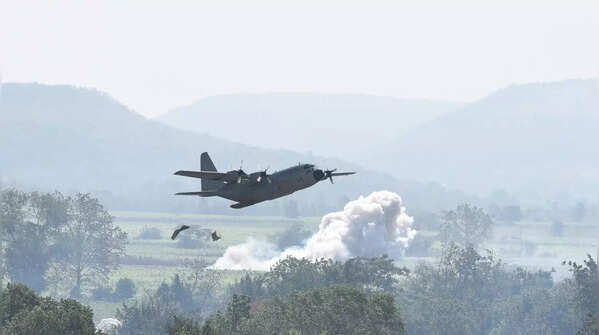
Flying machines and the aerial screw
Leonardo da Vinci was one who dreamed of the possibility of human flight, often considered a conceptual forerunner of the helicopter. Leonardo da Vinci devoted considerable study to the observations that birds made as they flew and discovered the design for his own wing-flapping contraptions called ornithopters, as well as the design for a screw with a spiral pattern that looked very much like the world's first helicopter.
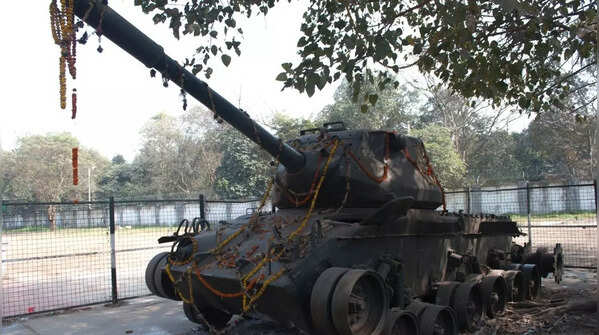
Armoured vehicle
Da Vinci’s most intriguing design related to the military was for an armoured weapon intended to shield its troops while they attacked the enemy. This design, resembling the shell of a turtle, complete with cannons lining the exterior, envisaged the concept of the tank several hundred years before the first tanks.
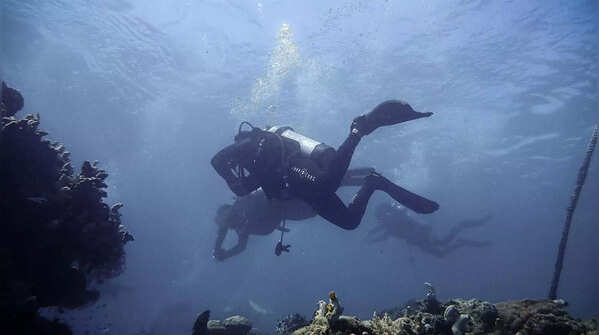
Diving suit for underwater exploration
Leonardo, of course, sketched designs for an underwater breathing apparatus years ago, before scuba diving gear or underwater suits were known. His design involved a leather suit, glass goggles, and breathing hoses leading to a floating supply of air at the surface level. Though never built in his time, the concept anticipated later underwater breathing technologies.
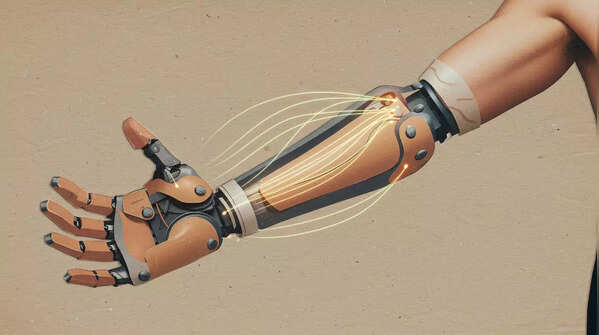
Mechanical knight, early robotics
Leonardo made drawings of what would later be called a “mechanical knight,” a type of automaton that used gears and pulleys that could move in human-like fashion. Although this robotic being was never actually completed in his lifetime, it is one of the oldest examples of a humanoid machine and a precursor to robotics and automation that would not emerge until several centuries later.

Parachute design
Although parachutes only became widespread in the 18th century, Leonardo Da Vinci designed a parachute in the form of a pyramid, constructed from linen cloth strung from a wooden frame. It is clear from his writings that he believed it might enable a person to drop safely from high altitude, and it has been proven that it would have worked by being rebuilt and tested in the 20th century.
Da Vinci’s influence, however, was not limited to art alone. His journals reveal a mind that constantly pushed beyond the boundaries of what was considered possible in his time. Many of his inventions never moved beyond sketches, not because they lacked brilliance, but because the technology required to realise them did not yet exist. Even so, his ideas remain a powerful reminder that innovation begins with imagination, often long before the world is ready to turn those ideas into reality.
All Images Credit: Canva
Featured In lifestyle

