- News
- lifestyle
- soul-search
- Why Hindu gods are shown with multiple arms and the hidden spiritual meaning behind it
Trending
Why Hindu gods are shown with multiple arms and the hidden spiritual meaning behind it

The problem with literal thinking

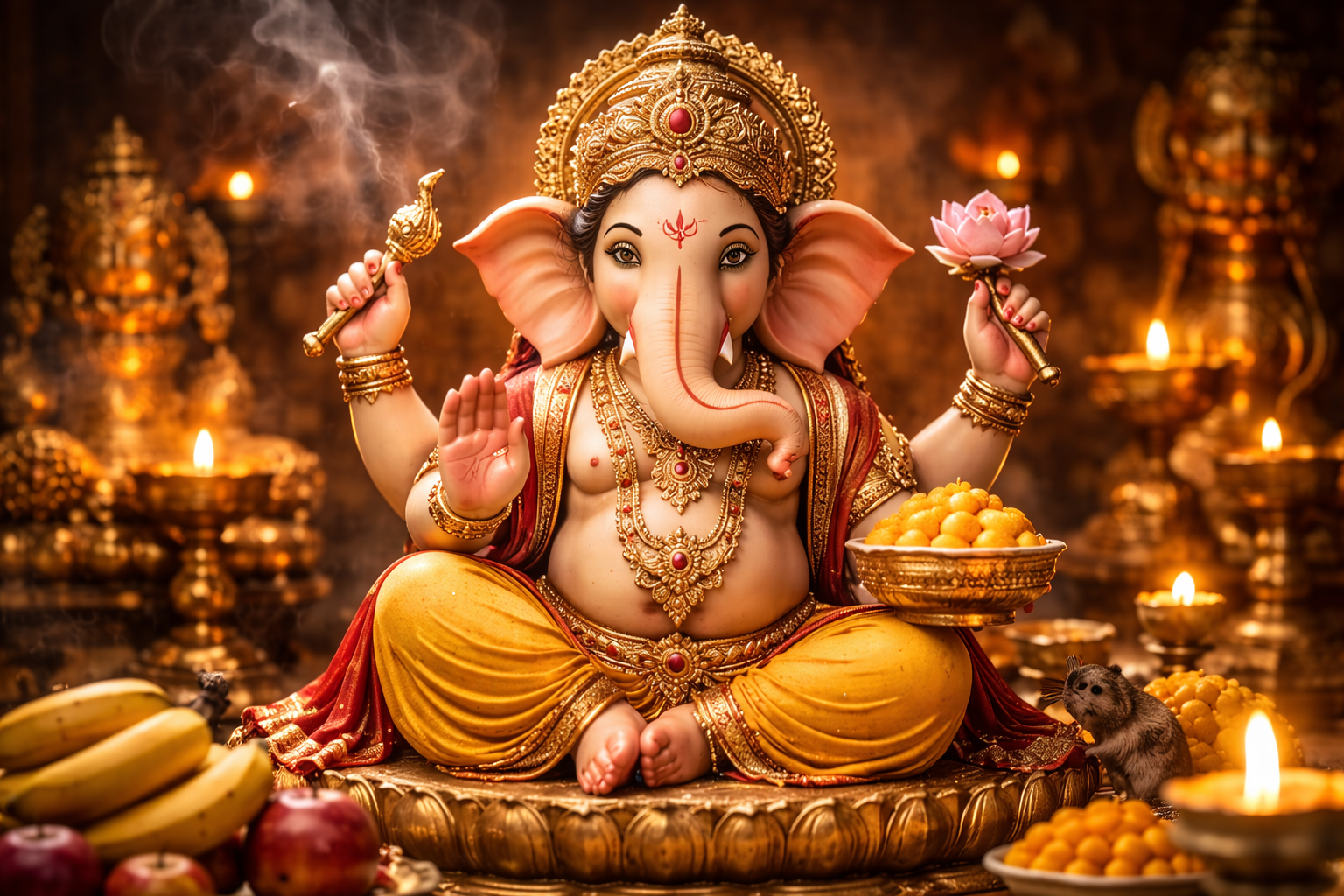
More arms mean more capacity, not more body parts
Holding symbols, not objects

Beyond time, beyond limitation
A mirror, not a fantasy
Why this imagery still matters today

About the AuthorTOI Lifestyle Desk
End of Article
Follow Us On Social Media
Health +
Tired of too many ads?go ad free now
lifestyle videos
Featured In Lifestyle

Tired of too many ads?go ad free now



MORE FROM ETIMES
life & styleHot on the Web
Bigg Boss Kannada 12 WinnerBigg Boss Tamil 9 WinnerDharmendraPriyanka ChopraAmitabh BachchanKhushi MukherjeeThe Great Indian Kapil ShowBigg Boss Tamil 9 Live UpdatesDhurandar OTT ReleaseAmavasya 2026DhurandharBaby NamesSoumith ChintalaParasakthi CollectionCarl JungGolden Hour In DayMary KomSoumith ChintalaEckhart TolleBrad PittUS VisaAamir KhanThe Raja Saab Box Office CollectionAkshaye KhannaHappy Patel CollectionDhurandhar Movie CollectionAmitabh BachchanMana ShankaraVaraprasad Garu CollectionDhurandhar Movie ReviewWashing MachineWilliam ShakespeareRiver That Flows BackwardsWorld Largest Beaver DamSnake Plant BenefitsQuote Of The Day By Thomas A EdisonLongest Venomous King CobraApple iPhone 17 ProHotel Room On MoonBirds That Can Regrow FeathersVeg LaphingWorld Most Powerful Passports
Trending Topics
Latest MoviesBollywood MoviesHollywood MoviesTamil Movies 2026Telugu Movies 2026Malayalam Movies 2026Kannada MoviesMarathi MoviesBengali Movies 2026Top Rated Movies 2026Best Hindi MoviesBest English MoviesBest Telugu MoviesBest Tamil MoviesBest Malayalam MoviesBest Kannada MoviesBest Bengali MoviesUpcoming Hindi MoviesBest Movies Of All TimeBest Hindi Movies of All TimeLatest English MoviesLatest Malayalam MoviesEnglish TV NewsTamil TV NewsTelugu TV NewsMalayalam TV NewsKannada TV NewsMovie ReviewsBhojpuri Cinema NewsGujarati Cinema News
Popular Categories
Viral NewsK Pop NewsWeb Series NewsAnime NewsUpcoming English MoviesUpcoming Tamil MoviesUpcoming Telugu MoviesUpcoming Malayalam MoviesUpcoming Kannada MoviesFashion TipsTravel NewsEntertainment NewsBollywood NewsTollywood NewsKollywood NewsMollywood NewsFood NewsLatest Hindi MoviesLatest Tamil MoviesParenting TipsHome RemediesWeight LossBeauty TipsParenting TipsHindi VideosHindi Video SongsBhojpuri Music VideosLatest Telugu MoviesBhojpuri Music VideoHindi TV News
Latest News
Bigg Boss 7 fame Ajaz Khan’s alleged chats with a fitness influencer get leaked; fans question his behaviourWhat child psychiatrists notice about children’s mental health after the holidaysLord’s Mark hits 153 US FDA-listed products, cementing its global credentialsHP PAT, LEET 2026 tentative exam dates out at hptechboard.com: Check details hereNipah virus infection: Avoid eating date palm sap, fallen/ bitten fruits, warns doctorAhan Shetty enjoyed 'Border 2' shoot with Diljit Dosanjh, recalls next-day 'soreness'Rashmika Mandanna opens up about Salman Khan's 'Sikandar', saying script was CHANGED; 'Later what happened was different'Cockroaches become more cautious and change their behaviour after stress, scientists discoverKarthi reacts to ‘Kaithi 2’ buzz after Lokesh Kanagaraj confirms ‘AA23’ with Allu ArjunGujarat govt delegation to Davos under Dy CM to meet top business leaders, investors, policymakers‘Aakasam Lo Oka Tara’: Satvika Veeravalli cast opposite Dulquer Salmaan; FIRST LOOK revealedHaldi feast turns hazardous in Thane: 80 fall ill after suspected food poisoning; wedding postponedShubman Gill, Ravindra Jadeja to feature in Punjab vs Saurashtra Ranji Tie On Jan 22Kerala SAI hostel horror: SIT to probe deaths of 2 girl students; parents cite mental harassment, coaches, warden under lensKarley Scott Collins responds to link-up to Keith Urban; says 'this is absolutely RIDICULOUS'Ankita Lokhande opens up about the ‘toughest chapter of her life’ from 2016; says, “A year that tested me and broke me quietly”Anuv turns Delhi concert into a warm sing-alongKuldeep Yadav's form a worry ahead of T20 World Cup: Modest returns in NZ ODIs highlight fading zing at crucial juncture