
- News
- lifestyle
- soul-search
- 7 signs the universe is preparing you for a major life shift
7 signs the universe is preparing you for a major life shift

Pink Full Moon: 7 signs the universe is preparing you for a major life shift
The Pink Full Moon has long been linked with reflection, renewal, and subtle turning points in life. While the name comes from the seasonal bloom of wild ground phlox rather than the moon’s colour, many spiritual traditions see this lunar phase as a time when hidden emotions and life patterns come into clearer view. Full moons are often associated with completion and illumination, moments when the mind begins to recognise shifts that were quietly unfolding beneath the surface.
During such phases, people often notice unusual restlessness, unexpected endings, or an inner push toward change. These moments can feel confusing or even uncomfortable at first, but they frequently appear before meaningful personal growth. Whether interpreted through astrology, psychology, or simple life experience, these signals can suggest that something within you is evolving. Here are seven signs that the universe may be preparing you for something bigger than your current chapter.

What the Pink Full Moon represents
Despite its name, the Pink Full Moon does not actually appear pink. The name comes from the blooming of pink wildflowers known as moss phlox, which typically flower in early spring across parts of North America. Traditionally, the April full moon symbolises renewal, rebirth, and the return of energy after winter’s dormancy. In a symbolic sense, it marks a period when nature — and often human emotions, begin to shift toward growth and possibility.
Because it arrives during a season of transition, many people view the Pink Full Moon as a reminder that change is natural and necessary. It highlights areas of life that may need closure while encouraging space for new beginnings.

Why this phase can be powerful for manifestation
In spiritual and manifestation practices, the full moon is often seen as a moment of heightened clarity and emotional awareness. Rather than being only a time to wish for new things, it is also considered a moment for release — letting go of habits, fears, or patterns that no longer serve your growth.
When the mind becomes clearer about what must end, it also becomes more focused on what should begin. That is why many people use the energy of the full moon to reflect on intentions, acknowledge personal lessons, and realign their goals. By releasing old attachments and recognising inner shifts, the path toward new opportunities can begin to open more naturally.

You feel deeply uncomfortable with what once felt normal
One of the earliest signals of transformation is dissatisfaction without a clear reason. Environments, routines, or relationships that once felt secure begin to feel limiting. Nothing may be visibly wrong, yet something inside you resists staying the same.
Often, this phase arrives quietly. You may notice a restlessness in ordinary moments, a sense that familiar patterns no longer hold the same meaning they once did. Conversations feel repetitive, goals appear less inspiring, and the comfort of routine slowly turns into a subtle urge for change.
This discomfort is not necessarily negativity; it is awareness expanding. Growth often begins when familiarity stops feeling fulfilling. The mind starts seeking meaning rather than mere stability, pushing you toward experiences that favour who you are becoming, not who you used to be.
Sudden endings or unexpected setbacks appear
When opportunities collapse or plans fall apart, the immediate reaction is usually frustration. Yet many turning points begin with endings that create space for something new.
Jobs change, friendships evolve, or paths close without warning. In hindsight, these moments often redirect energy toward better-aligned opportunities. What feels like loss can sometimes be life-removing structures that no longer support your next phase. Preparation often looks like disruption before it looks like progress.

You experience periods of solitude or emotional withdrawal
During personal transitions, people naturally pull inward. Social energy decreases, and time alone feels necessary rather than lonely. This phase allows reflection, a psychological reset where priorities quietly reorganise.
Solitude creates mental clarity. Without constant external noise, you begin hearing your own instincts more clearly. Many people mistake this stage for stagnation, but it is often integration, the mind processing lessons before moving forward. Growth requires pauses as much as action.
Old habits and patterns stop working
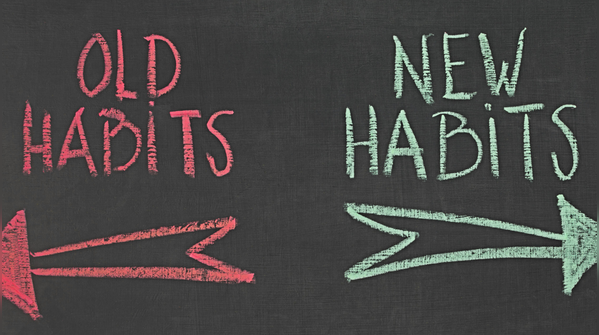
Strategies that once solved problems suddenly fail. Motivations shift. You may notice that familiar coping mechanisms, career approaches, or even goals no longer feel effective. Habits that once felt reliable begin to lose their clarity. Decisions that used to come easily start requiring deeper thought. This quiet disruption can make everyday choices feel uncertain, as if the internal map that guided you is slowly being redrawn.
This can feel frustrating because it removes your sense of control. Yet it also signals evolution. When old patterns stop working, it usually means you are being nudged toward new skills, perspectives, or identities. Transformation rarely allows comfort zones to remain functional forever.

Challenges seem to arrive all at once
Periods of rapid difficulty can feel overwhelming, as though life is testing endurance. Yet intense phases often accelerate personal development. Skills like resilience, patience, and emotional strength are rarely built during easy times.
When challenges cluster together, they can force growth that might otherwise take years. In retrospect, many people recognise these moments as training grounds, experiences that prepared them for responsibilities or opportunities they were not yet ready for before. Pressure, while uncomfortable, often precedes expansion.
You feel an unexplained pull toward change
Sometimes there is no logical reason, just a persistent inner voice encouraging exploration. You may feel drawn to new interests, creative pursuits, or entirely different life directions.
At first, the feeling can be subtle, almost easy to ignore. It might arrive as a passing thought, a sudden curiosity, or a quiet sense that something unfamiliar deserves your attention. Over time, however, that feeling tends to return, gently but persistently nudging you to look beyond the routines that once felt comfortable.
This pull often appears before external opportunities do. It can symbolise a phase of internal preparation, where curiosity expands first and circumstances follow later. Many breakthroughs begin as quiet intuitions long before they become visible achievements. Listening to that pull does not require immediate action, only acknowledgement.
Your perspective begins to change more than your circumstances
Perhaps the most powerful sign is internal rather than external. You start reacting differently to situations that once triggered stress or fear. Priorities shift. Validation matters less, and authenticity matters more.
Small moments begin to reveal the shift. Conversations that once drained you no longer hold the same weight, and decisions start to feel guided by clarity rather than pressure. You notice yourself pausing before reacting, choosing calm over impulse, and valuing peace over the need to prove anything to anyone.
This quiet change signals maturity and alignment. Life may look similar on the outside, but your interpretation of it evolves. And once perception changes, decisions follow, often leading naturally toward new paths. Transformation begins within long before it becomes visible to others.
Featured In lifestyle

MORE FROM ETIMES
life & style