
- News
- lifestyle
- soul-search
- How the colours you wear affect your energy, according to Sadhguru
How the colours you wear affect your energy, according to Sadhguru
How the colours you wear affect your energy, according to Sadhguru
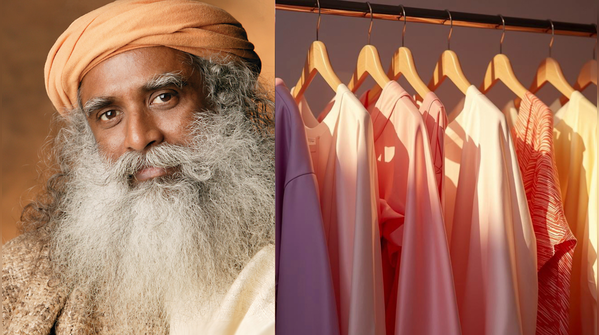
Most people choose clothes based on comfort, fashion, or the weather. But in yogic philosophy, colours are believed to influence how we experience the world internally. According to Sadhguru, colours are not just visual element, they can subtly affect the way our body and mind respond to the environment. Sadhguru explains this idea within the framework of yogic traditions, where the human body is seen not only as a physical form but also as an energy system. In this perspective, colours can interact with the way a person absorbs or reflects surrounding influences. These ideas belong to spiritual philosophy rather than modern scientific consensus, but they have guided certain lifestyle choices in yogic practices for centuries. Scroll down to read more.
The yogic view of colours and energy
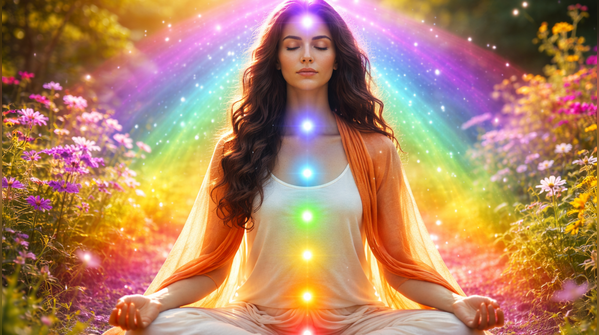
In yogic understanding, everything around us, including light and colour, interacts with our perception and inner state. Sadhguru often notes that colours can influence how receptive or protected we feel in different environments.
Rather than suggesting strict rules about clothing, he encourages awareness. The colour we wear may subtly change how we feel, how alert we are, or how calm our mind remains during the day. Because our eyes constantly absorb visual information, colours can influence our mood and mental atmosphere more than we realise.

Why white clothing is often recommended
White clothing holds a special place in many spiritual traditions. According to Sadhguru, white reflects all colours of light rather than absorbing them. In yogic thought, this reflective quality can create a sense of energetic neutrality.
This idea also extends beyond symbolism into lived experience. In many ashrams and retreat spaces, white is chosen not for aesthetics but for its quiet psychological effect. It reduces visual noise, allowing the mind to slow down and detach from external distractions more naturally.
This is one reason why white clothing is often worn during meditation programmes or spiritual gatherings. It symbolises openness and clarity while also reflecting surrounding influences instead of absorbing them. Many people report that wearing lighter colours helps them feel calmer and more settled, especially in quiet or contemplative environments.

The idea behind black clothing
Sadhguru has also spoken about the unique nature of black clothing. Unlike white, black absorbs light rather than reflecting it. From the yogic perspective, this means black may absorb surrounding energies. This does not mean black clothing is “bad.” Instead, Sadhguru explains that the effect depends on the environment. If someone is in a highly positive or powerful space, black clothing may help them absorb that energy. But in mixed environments, it may also absorb other influences. Because of this, he sometimes suggests being mindful about wearing black constantly.
Why saffron and orange are used in spiritual traditions
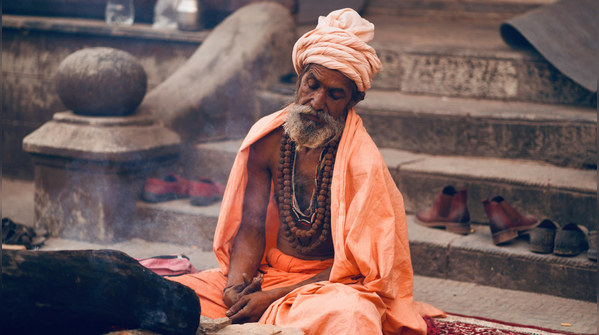
Another colour commonly seen in spiritual traditions is saffron or orange. Sadhguru explains that this colour has historically been associated with transformation and renunciation. Monks and spiritual seekers often wear saffron because it symbolises a willingness to move beyond old identities and dedicate life to inner growth.
Across many Indian traditions, the colour is also linked with sacred fire, a symbol of purification and renewal. Fire in ritual settings represents the burning away of ignorance and attachment, reminding seekers that spiritual growth often requires letting go of familiar identities and patterns.
In yogic symbolism, it represents the fire of transformation, burning away limitations and beginning a new phase of life. While most people may not wear saffron daily, the colour still carries strong spiritual meaning in many cultures.
Choosing colours with awareness
Sadhguru’s larger message is not about following strict clothing rules but about living with greater awareness. When people observe how different colours influence their mood and focus, they may naturally begin choosing colours that support their daily activities. For instance, lighter colours may feel more comfortable during meditation or quiet reflection, while brighter colours might bring a sense of enthusiasm and activity. The key idea is simply to notice how external choices influence internal experience.
In yogic traditions, colour is often viewed as part of the environment that subtly interacts with the mind and body. Just as sound, light, and surroundings can influence how a person feels, colours may also shape the emotional tone of a space or moment. Becoming aware of these small influences can help people make more conscious choices in daily life.
Clothing colours may seem like a minor detail, but in the yogic view even small aspects of daily life can influence our inner balance. Paying attention to colours is simply another way of becoming more conscious about how we live. As Sadhguru often emphasizes, awareness itself is transformative. When we begin to notice how the world around us affects our inner state, even something as simple as the colour of our clothes can become a tool for creating greater balance and clarity in everyday life.
Featured In lifestyle

MORE FROM ETIMES
life & style