
- News
- lifestyle
- soul-search
- Bhagavad Gita shloka of the day: Choosing wisdom over impulse
Trending
Bhagavad Gita shloka of the day: Choosing wisdom over impulse
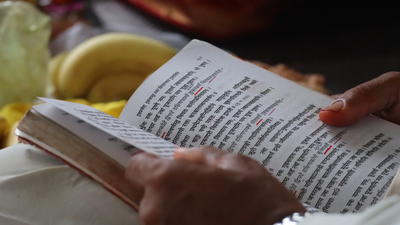
Translation:
Where this teaching appears in the Gita

The chain reaction of impulse

Choosing wisdom in everyday life

Why this teaching still matters today

About the AuthorTOI Lifestyle Desk
End of Article
Follow Us On Social Media
Health +
Tired of too many ads?go ad free now
lifestyle videos
Featured In Lifestyle

Tired of too many ads?go ad free now




Hot on the Web
Palmer LuckeyDhurandhar 2 Box Office CollectionRaja Shivaji TeaserArnold SchwarzeneggerSkin Care TipsApril Fools PraksApril Fools WishesHanuman Jayanti 2026BharathirajaRanjith Arrest NewsSara Ali KhanHoroscope TomorrowSuccessful People QuoteSnake Hole vs Rodent HoleMithun ChakrabortyDhurandhar 2 ReviewPanchhi 2 Movie ReviewUstaad Bhagat Singh CollectionIAS Anshuman RajStrawberries Growing TipsWithout Electricity RefrigeratorVikrant MasseyDhurandhar 2 CollectionProject Hail MaryIndian FoodsKaattaan Season 1 ReviewMovierulzAadu 3 Box Office CollectionHoroscope TodayOracleLayoffToday Gold Rate in ChennaiDelhi Weather TodayDelhi AQI TodayMumbai AQI TodayMaharashtra Public Holidays 2026Israel Secret AIApple iPhone 18 ProMassive x1.4 Solar FlareGarena Free Fire MAX Redeem CodesKitkat Bars Stolen In EuropeBasketball Zero Codes
Trending Topics
Latest MoviesBollywood MoviesHollywood MoviesTamil Movies 2026Telugu Movies 2026Malayalam Movies 2026Kannada MoviesMarathi MoviesBengali Movies 2026Top Rated Movies 2026Best Hindi MoviesBest English MoviesBest Telugu MoviesBest Tamil MoviesBest Malayalam MoviesBest Kannada MoviesBest Bengali MoviesUpcoming Hindi MoviesBest Movies Of All TimeBest Hindi Movies of All TimeLatest English MoviesLatest Malayalam MoviesEnglish TV NewsTamil TV NewsTelugu TV NewsMalayalam TV NewsKannada TV NewsMovie ReviewsBhojpuri Cinema NewsGujarati Cinema News
Popular Categories
Viral NewsK Pop NewsWeb Series NewsAnime NewsUpcoming English MoviesUpcoming Tamil MoviesUpcoming Telugu MoviesUpcoming Malayalam MoviesUpcoming Kannada MoviesFashion TipsTravel NewsEntertainment NewsBollywood NewsTollywood NewsKollywood NewsMollywood NewsFood NewsLatest Hindi MoviesLatest Tamil MoviesParenting TipsHome RemediesWeight LossBeauty TipsParenting TipsHindi VideosHindi Video SongsBhojpuri Music VideosLatest Telugu MoviesBhojpuri Music VideoHindi TV News
Latest News
How to protect mangoes at home using paper bags without sprays or harmful chemicalsShabana Azmi on her role in 'Next of Kin' alongside Archie Panjabi: 'You can't push conflicts of this kind under the carpet'Why chef Sanjeev Kapoor was denied to wear chef coat for Padma Shri Award by Rashtrapati BhavanStray dog beaten to death at housing society in Thane, case filed against unknown personsOlympic academy, Rs 2,000 aid for women, pumpsets for farmers: DMK's big poll pitch ahead of Tamil Nadu electionsThe surprising story behind Satinder Sartaaj’s iconic Sufi look - credit goes to Yami Gautam’s fatherAmbrosia founding member and 'Hammond B3 King' Christopher North passes away at 75 after battle with pneumoniaFIFA World Cup: Iraq end 40-year wait, Italy crash out againIf NDA comes to power in Tamil Nadu, it won’t hesitate to rename state ‘Dakshin Pradesh’: MK StalinIsrael targets Iran factory, alleges fentanyl use in chemical weapons; Tehran denies50 years, and the five lives of Apple10 more tool & training centres to meet soaring demandThese 5 zodiac signs are more likely to marry later, and happierShreyas Iyer, Neeraj Chopra, Hardik Pandya: Why India’s top stars are becoming their own agentsHansika Motwani jets off to Japan with her mother and brother after divorce from Sohael Khaturiya — See PICSHeard about 'LifeofPujaa'? Meet Pujarini Pradhan, the viral 'village girl' on Instagram with premium brand collabs, facing backlash for being 'too articulate'Kerala assembly elections: It’s ‘party’ time for actors, influencersRanjith arrested in sexual assault complaint; Director remanded to 14 days custody; Kerala Government backs survivor