- News
- lifestyle
- parenting
- toddler-year-and-beyond
- Sadhguru on the best form of parenting and what it takes to be a truly great parent
Trending
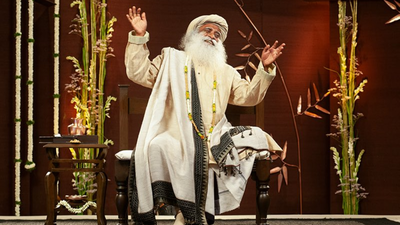
Sadhguru on the best form of parenting and what it takes to be a truly great parent

About the AuthorTOI Lifestyle Desk
End of Article
Follow Us On Social Media
Health +
Tired of too many ads?go ad free now
lifestyle videos
Featured In Parenting

Tired of too many ads?go ad free now



MORE FROM ETIMES
life & styleHot on the Web
Bigg Boss Tamil 9 WinnerDharmendraPriyanka ChopraAmitabh BachchanKhushi MukherjeeThe Great Indian Kapil ShowDhurandar OTT ReleaseAmavasya 2026DhurandharBigg Boss Kannada 12 WinnerBaby NamesSoumith ChintalaParasakthi CollectionCarl JungMrunal ThakurGolden Hour In DayMary KomSoumith ChintalaEckhart TolleBrad PittUS VisaAamir KhanThe Raja Saab Box Office CollectionAkshaye KhannaHappy Patel CollectionDhurandhar Movie CollectionAmitabh BachchanMana ShankaraVaraprasad Garu CollectionDhurandhar Movie ReviewWashing MachineWilliam ShakespeareRiver That Flows BackwardsWorld Largest Beaver DamSnake Plant BenefitsQuote Of The Day By Thomas A EdisonLongest Venomous King CobraApple iPhone 17 ProHotel Room On MoonBirds That Can Regrow FeathersVeg LaphingWorld Most Powerful Passports
Trending Topics
Latest MoviesBollywood MoviesHollywood MoviesTamil Movies 2026Telugu Movies 2026Malayalam Movies 2026Kannada MoviesMarathi MoviesBengali Movies 2026Top Rated Movies 2026Best Hindi MoviesBest English MoviesBest Telugu MoviesBest Tamil MoviesBest Malayalam MoviesBest Kannada MoviesBest Bengali MoviesUpcoming Hindi MoviesBest Movies Of All TimeBest Hindi Movies of All TimeLatest English MoviesLatest Malayalam MoviesEnglish TV NewsTamil TV NewsTelugu TV NewsMalayalam TV NewsKannada TV NewsMovie ReviewsBhojpuri Cinema NewsGujarati Cinema News
Popular Categories
Viral NewsK Pop NewsWeb Series NewsAnime NewsUpcoming English MoviesUpcoming Tamil MoviesUpcoming Telugu MoviesUpcoming Malayalam MoviesUpcoming Kannada MoviesFashion TipsTravel NewsEntertainment NewsBollywood NewsTollywood NewsKollywood NewsMollywood NewsFood NewsLatest Hindi MoviesLatest Tamil MoviesParenting TipsHome RemediesWeight LossBeauty TipsParenting TipsHindi VideosHindi Video SongsBhojpuri Music VideosLatest Telugu MoviesBhojpuri Music VideoHindi TV News
Latest News
Fortnite 2026 collaboration leaks: Full list of rumored crossoversMiddle East: Trump invited PM Shehbaz Sharif to join Gaza 'Board of Peace', says Pakistan‘Australia is not your dumping ground’: Queensland man shames 'third-world' man for throwing garbage in bush in viral videoDelhi CM Rekha Gupta inaugurates development works worth Rs 100 croreWatch: Andrew Tate, Nick Fuentes and others caught dancing to 'Heil Hitler', netizens shout 'sinister'Noida techie's death: FIR lodged against two builders; family alleges negligence over lack of barricadesAquarius Horoscope Tomorrow, January 19, 2026: A hidden route is opening around a problem; take it todayTrump administration delays wage garnishment for defaulted student loan borrowers as DOE finalises repayment plansInternational Net Zero Summit to be held at PanajiTeam USA ice dancer Vadym Kolesnik starts GoFundMe after revealing money struggles before 2026 Winter OlympicsGovernor visits Safa Masjid at Ponda'Prize cannot be passed on, even symbolically': Nobel Foundation reiterates; snubs Trump againThe BARBIES: From Google to Zepto — what US undergrad returnees are building in IndiaNEET aspirant death case: Bihar deputy CM vows swift action — warns offenders 'will not be spared'Ranbir Kapoor as Ross, Kareena Kapoor as Monica, Priyanka Chopra as Rachel, Hrithik Roshan as Mike, Kangana Ranaut as Phoebe: AI reimagines 'Friends' cast with Bollywood actors - VIDEOWill Mathew Stafford play against the Chicago Bears tonight? Latest injury update on the Los Angeles Rams' QBBigg Boss 18 fame Kashish Kapoor reacts to ‘celebrities getting exposed controversy’; urges everyone to respect their privacyCapricorn Horoscope Tomorrow, January 19, 2026: A silent helper is appearing, accept support quickly