
- News
- lifestyle
- parenting
- early-childhood
- Childhood Insomnia: Causes, symptoms and treatment
Childhood Insomnia: Causes, symptoms and treatment

Childhood Insomnia: Causes, symptoms and treatment
Is your child facing difficulty in falling asleep? Is it getting worrisome to you? Childhood insomnia can be the cause of it.
Childhood insomnia is a sleeping disorder where a child is unable to fall asleep or stay asleep at night which results in non-restorative sleep. Sometimes the issue resolves as time passes but if it does not get better, external help or some measures are always required because a restful sleep keeps the functioning of the whole body balanced and normal.
The ideal amount of hours of sleep your child needs
- Infants (4 to 12 months) – 12 to 16 hours
- Toddlers (1 to 2years) – 11 to 14 hours
- Children (3 to 5 years) – 10 to 13 hours
- Children (6 to 12 years) – 9 to 12 hours
- Teens (13 to 18 hours) – 8 to 12 hours

What causes childhood insomnia?
Insomnia can happen to anyone and at any age. And it is common in children. If ignored, it can lead to long-term problems like diabetes, hypertension, and weight gain.
The most common reason for not getting enough sleep is going to bed very late. It’s important to have a schedule fixed to have a normal and healthy sleep cycle. Other than this, here are the other most common causes that might be the reason for sleeplessness in children.
- Anxiety
- Caffeine (hidden sources in foods)
- Asthma
- Eczema
- Restless legs syndrome
- Stress
- Neurodevelopmental disorders like Autism, Autism Spectrum Disorder, Intellectual disability.

Symptoms of Insomnia in children
- Trouble falling asleep once in bed
- Curtain calls after getting in bed like requests for drinks, hugs, and stories.
- Trouble waking up in the morning
- Fatigue or tiredness the next day
- Lack of concentration
- Mood swings or getting irritated quite often
- Hyperactivity, aggression, or oppositional behaviour
- Unable to tolerate frustration
- Poor decision-making and impulse control
Treatment
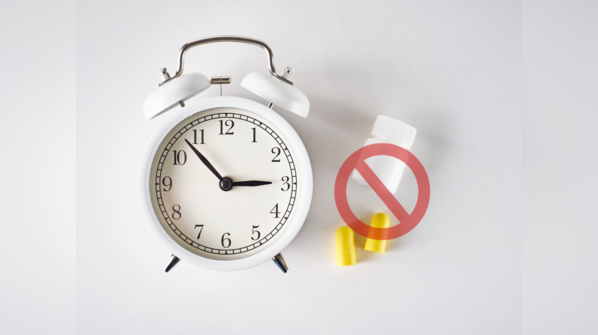
Thinking about the treatment for sleeping disorders, our first instinct takes us to sleeping pills. Remember never-ever offer a child any type of sleeping pill without consulting a doctor or a pediatrician. If your child has been suffering from this issue for a long time, consult a specialist or child psychologist. In some cases, child insomnia is linked to different physical and mental issues that need to be addressed at the right time.
But if it’s just the initial stage, some lifestyle changes can help to resolve it.
- The main cause of sleeping disorders is disturbed routines. So set the timings for your child and make sure that it gets followed every day to retain their biological clock which will steady their vital rhythms and will help in establishing control over their sleep.
- Don’t allow them to indulge in any activity around their time to get to bed.
- Light dinner helps in easy digestion and getting a good night's sleep easily.
- Cut down caffeine content from their diet.
- Make them exercise regularly.
- Teach them about relaxation techniques like diaphragmatic breathing, visual imagery, and progressive muscle relaxation.
Conclusion
Having a healthy sleep cycle and restful sleep plays an important part in the healing and repairing process of the body. For children, it’s necessary to have a good night’s sleep so that their brain can store all that they had done on that day. Not getting the required hours of sleep affects the brain and memories adversely. So if you see any symptoms of childhood insomnia, you must address the issue fast before it creates any long-term problems.
Featured In lifestyle

MORE FROM ETIMES
life & style