- News
- lifestyle
- parenting
- teens-adolescents
- Is your child carrying emotional baggage? 6 subtle signs and what parents can do to help
Is your child carrying emotional baggage? 6 subtle signs and what parents can do to help

Is your child carrying emotional baggage? 6 subtle signs and what parents can do to help
Children don’t always have the words to explain what they’re feeling. A child wouldn’t say “I’m anxious” or “This is bothering me,” unlike adults. Instead their emotions show up in their actions, in the little things they do. When a child feels overwhelmed, they don’t appear sad or upset; therefore, identifying the subtle signs is necessary for parents to dig deeper for the solution. Here are six signs that your child may be carrying emotional weight:

They frequently say their stomach hurts before school
If your child regularly complains of tummy aches, especially before school, it may be more than just a physical problem. Studies have also shown the link between anxiety and physical pain. A tummy ache can be a sign of the child feeling fear or difficulty with stepping into social settings, separation anxiety, or academic pressure.
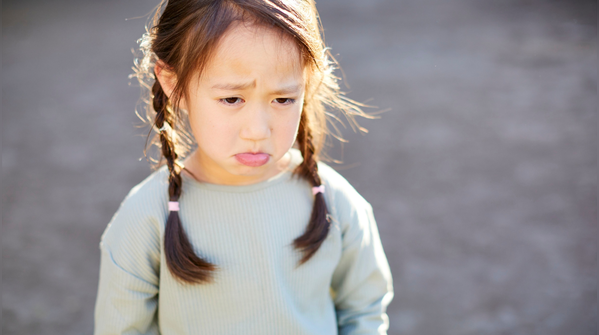
They repeatedly ask “what if” questions
Every child worries sometimes. Asking questions is a normal part of growing up. But when a child constantly asks “what if?” questions and cannot feel calm even after reassurance, it may point toward deeper anxiety. Phrases like “What if you get angry” may signal towards the anxiety your child may be carrying.

They refuse last minute for something they were excited about
One moment they are excited about a birthday party, a school trip, a sports activity, or meeting friends. Then suddenly, at the last minute, they say “I don’t want to go.” While many parents may mistake it for stubbornness, however, sometimes it’s the fear taking over.
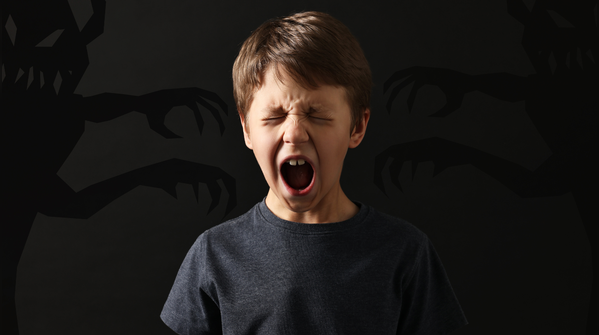
They have a hard time falling asleep alone and their brain won’t stop at night
Nighttime is often when hidden worries become louder. For children, the day is packed with back to back schedules; schools, tuitions, etc, but at night when the world goes quiet, their thoughts start racing. A child with emotional baggage may suffer difficulty falling asleep, fear being alone, or wake up frequently.
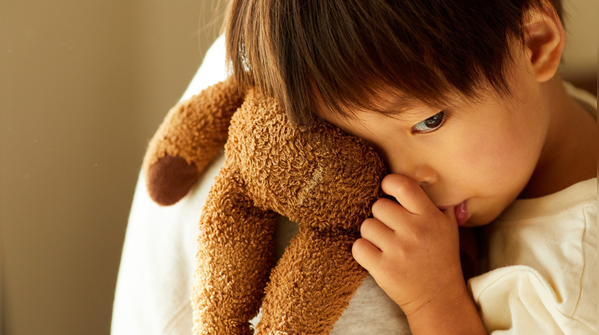
They say “I can’t” before they even try
“I can’t do this” may sound like something that comes from lack of confidence, however, sometimes, it may come from the fear of criticism or disappointment. Children who have experienced too much pressure, frequent comparison, harsh reactions, or repeated failure may start protecting themselves by giving up before trying. They feel “If I don’t try, I won’t fail.”

They complain of headaches or stomach aches that doctors say have no cause
Sometimes children’s struggles appear as unexplained physical complaints. Frequent headaches, tiredness or the feeling of being unwell can be connected to stress or emotional overload. A child might not say “I feel anxious.” They might say “My head hurts.”

What parents can do to help children in these situations
Children do not need perfect parents. They need parents who notice, listen, and create a safe space for emotions. A few simple yet meaningful habits can make a big difference. Instead of saying, “Don’t worry, it’s nothing,” parents can say, “Tell me what is making you feel this way.”
It is also important to help children name their emotions. Parents should also pay attention to repeated patterns rather than isolated moments. If a child’s worries, physical complaints, sleep problems, or fears continue and begin affecting daily life, seeking support from a mental health professional can provide children with healthy ways to cope.
Featured In lifestyle

MORE FROM ETIMES
life & style