
- News
- lifestyle
- parenting
- teens-adolescents
- GK Fact of the Day: 6 accidental innovations that revolutionised everyday life
GK Fact of the Day: 6 accidental innovations that revolutionised everyday life

GK Fact of the Day: 6 accidental innovations that revolutionised everyday life
Some of the most useful inventions in history were not planned from the start. They actually happened by chance, curiosity or a small mistake and later became part of ordinary everyday life. From medicine and cooking to office work and home repair, these accidental discoveries changed the world in their own ways. Here are six such inventions. Let’s take a look!

Penicillin
Penicillin is one of the examples of a lucky accident becoming a life-saving breakthrough. In 1928, Alexander Fleming noticed that mould had contaminated one of its culture plates and stopped bacteria from growing around it. That observation led to the first major antibiotic and transformed modern medicine by making many infections treatable.
Microwave Oven
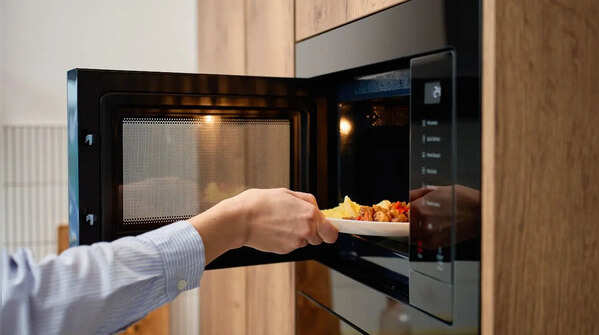
The microwave oven began with an unexpected lab moment. Percy Spencer, while working with radar technology, noticed that microwaves could heat food and that discovery led to the first microwave cooking patent in 1945. What started as a wartime technology eventually became one of the fastest and most convenient kitchen appliances in the world.

Post-it Notes
Post-it Notes came from an adhesive that was originally considered too weak for its intended use. At 3M, Spencer Silver created a low-tack glue, and later Art Fry found a practical purpose for it as a reusable bookmark. The result became a simple office essential used everywhere for reminders, labels, and quick messages.

X-rays
X-rays were discovered in 1895 by Wilhelm Conrad Röntgen while he was studying cathode rays. He noticed that a fluorescent screen glowed even though it was shielded from direct light which led him to identify a new kind of invisible radiation. This discovery revolutionised diagnosis by allowing doctors to see inside the body without surgery.

Potato Chips
Potato chips were born from a kitchen complaint. In 1853, chef George Crum was reportedly frustrated when a customer said the fried potatoes were too thick, so he sliced them very thin and fried them until crisp. The customer loved the result, and the crunchy snack soon became popular far beyond that one restaurant.

Super Glue
Super Glue was discovered while Harry Coover was working on cyanoacrylates for a different purpose during World War II. The material turned out to be far too sticky for the original project, but its strong bonding power made it valuable as an adhesive. It later became very useful in homes, factories and even medical procedures.
These inventions show that great ideas do not always begin as grand plans. Sometimes they emerge from mistakes, surprises and unexpected observations. What matters most is noticing the possibility hidden inside the accident because that is often where real innovation begins.
All Image Credits: Canva
Featured In lifestyle

MORE FROM ETIMES
life & style