
- News
- lifestyle
- parenting
- parenting-stories
- Why saying “no” to your child may actually help them grow stronger
Why saying “no” to your child may actually help them grow stronger

Why saying “no” to your child may actually help them grow stronger
Parents spend much of their lives trying to protect their children from disappointment. They soften the blow, remove the obstacle, and step in before the fall. It is an instinct rooted in love and often in fear. But somewhere inside that constant yes, a quieter truth gets lost: children do not only grow through comfort. They also grow through limits. A well-timed “no” can be frustrating in the moment, but it can also become one of the most important gifts a parent gives. It teaches that the world does not always bend to desire. It shows that frustration can be survived. It creates space for patience, self-control, and resilience to take root. In a culture that often equates good parenting with giving children whatever makes them happy, saying no can feel harsh. Yet many of the qualities adults hope to see in a strong, balanced child begin exactly there, in the boundary they first resisted. Scroll down to read more...

The value of a boundary
A child who never hears “no” may enjoy the moment, but not always the lesson. Limits are not rejection. They are structure. They tell a child that the world has shape, that actions have consequences, and that desire is not the same as entitlement. That matters because children are still learning how to tolerate discomfort. When a parent sets a boundary, the child is given a chance to meet a feeling they do not like and discover that it will pass.
That small experience is powerful. It builds emotional strength in the same way exercise builds muscle: through resistance. The child does not become stronger because everything goes their way. They become stronger because they are gradually able to withstand not getting their way without falling apart.

Why constant 'yes' can backfire
There is a difference between warmth and surrender. Children need affection, encouragement, and a sense that their voice matters. But when every request is granted, the child may begin to expect life to follow the same pattern. That can make even minor disappointments feel unbearable later on.
A child who has never been denied a toy, a treat, a screen, or a shortcut may struggle more when faced with school rules, peer conflict, or real-world limits. The ordinary frustrations of life can feel unusually sharp because they were never practiced at home. A carefully delivered 'no' helps prepare a child for a world that will not always be accommodating.
This is one reason boundaries can be deeply loving. They give children early exposure to reality in a safe setting. A parent is not being unkind by refusing every demand. Often, they are helping their child build the emotional equipment needed to handle a far less forgiving world.
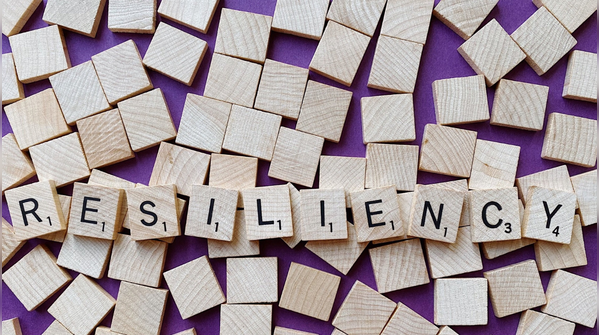
Teaching resilience, not resentment
The hardest part of saying no is not the word itself. It is the reaction that follows. Tears, anger, bargaining, and dramatic disappointment can make any parent feel guilty. But those reactions are not proof that the boundary was wrong. They are proof that the child is learning.
Children rarely welcome limits calmly at first. They test, protest, and push. That is part of development. What matters most is not whether they are upset but whether the parent remains steady enough to show that disappointment is survivable. In time, the child learns that a 'no' does not mean love has been withdrawn. It means the parent is still thinking beyond the moment.
That lesson carries into adulthood. The child who learns to hear no without collapsing is often better prepared for friendship, school, work, and relationships. They are less likely to confuse denial with humiliation. They are more likely to persist when life does not deliver immediate approval.
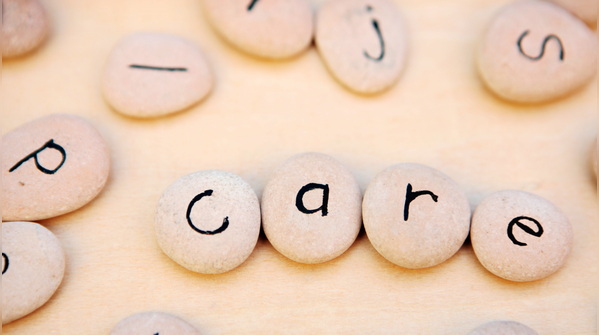
How “no” becomes care
A meaningful no is rarely just a refusal. It is usually paired with explanations, consistency, and calm. Children do not need long lectures every time, but they do need to know that the boundary comes from care rather than cruelty. A parent who says no to a dangerous habit, a reckless purchase, or an unfair demand is not being cold. They are prioritising a child’s growth over a moment of comfort.
That distinction matters. Children can usually sense whether a no is grounded in reason or in anger. When it is thoughtful and consistent, it becomes easier to trust. Over time, children begin to understand that limits are part of love, not the absence of it.
And that may be the deepest lesson of all. A parent does not strengthen a child by protecting them from every difficult feeling. They strengthen them by helping them move through those feelings without fear. The child learns that disappointment is not defeat, that frustration can be managed, and that self-control is something worth building.

The long view of love
In the end, saying no is not about winning an argument with a child. It is about preparing them for life. It is about raising someone who can tolerate boundaries, respect others, and navigate disappointment without losing themselves.
That is why a parent’s 'no', when used wisely, can be an act of faith. It says, 'You can handle this.' You do not need every wish fulfilled to be safe, loved, or whole. And in that quiet message, a child begins to grow stronger than comfort alone could ever make them.
Papdi chaat (22)
Papdi chaat (23)

Papdi chaat (25)
Featured In lifestyle

MORE FROM ETIMES
life & style