
- News
- lifestyle
- parenting
- parenting-stories
- When a child stops sharing things with parents, it usually begins with these 6 parental habits
When a child stops sharing things with parents, it usually begins with these 6 parental habits
When a child stops sharing things with parents, it usually begins with these 6 parental habits
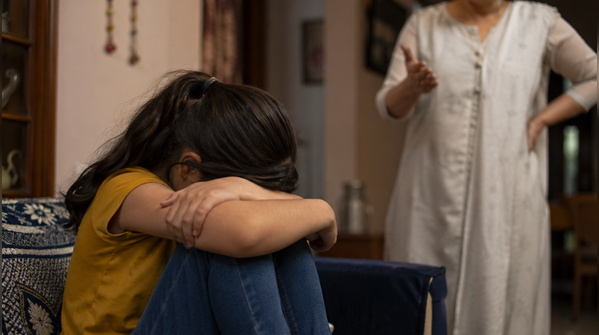
Children rarely stop sharing with parents in one dramatic moment. More often, the distance grows quietly, shaped by small, repeated interactions that make honesty feel unsafe, unnecessary or simply not worth the effort. A child who once narrated every detail of the day may slowly begin to realise it feels safer to hide feelings, skim over problems or answer in one-word replies.This is not always rebellion. Sometimes it is self-protection. When children feel dismissed, judged or constantly managed, they learn to keep parts of themselves private. These six everyday habits often sit at the root of that change.
Turning every mistake into a big issue
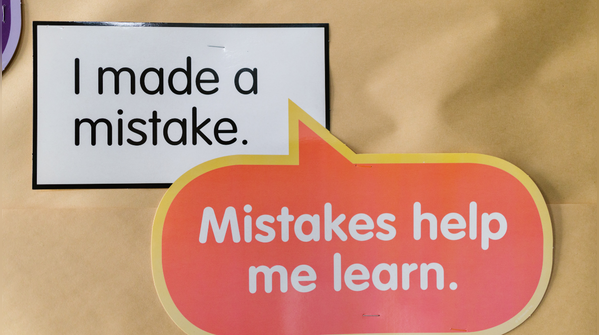
Children make mistakes. They forget homework, lose things, lie about minor details, say something rude, or make choices they immediately regret. What matters is not the mistake alone, but the emotional climate around it.
In calmer environments, mistakes are treated as moments to pause, reflect, and guide rather than punish immediately. Children learn that being wrong does not make them unworthy, it simply means there is something new to understand. This shift allows them to stay open, ask questions, and gradually take responsibility for their actions.
If every slip turns into a heavy reaction, children begin to protect themselves by hiding the problem. They do not stop needing support. They stop trusting the response. When home feels like a place where errors bring shame, silence starts to feel safer than honesty.

Dismissing their feelings too quickly
Phrases such as “You are overreacting,” “That is nothing,” or “Do not be silly” may seem harmless in the moment, but they leave a mark. Children are still learning how to realise and understand their own emotions, and they often depend on parents to help make sense of them.
A child who repeatedly hears their feelings minimised may slowly stop trusting their own emotional instincts. Instead of learning how to process disappointment, fear, or sadness in a healthy way, they learn to suppress it quickly in order to avoid judgment or dismissal from the people closest to them.
When feelings are brushed aside too often, a child may begin to doubt their own reactions. They may decide that what they feel is inconvenient, embarrassing or not important enough to share. The result is emotional withdrawal, not because they feel nothing, but because they feel too much and do not know where to place it.

Comparing them to others
Few things close a child off faster than comparison. Whether it is a sibling, a cousin, a neighbour’s child or a class topper, comparisons send a sharp message: who you are is not enough.
Children who hear this repeatedly often stop sharing because they already know what is coming. They expect criticism, not curiosity. They begin to edit themselves, choosing safe answers over truthful ones. In time, even good news may be withheld if they fear it will be measured against someone else’s life.

Reacting with anger instead of calm
Children remember emotional tone as much as words. If sharing something difficult regularly leads to shouting, sarcasm, punishment or dramatic disappointment, they learn to avoid the conversation altogether. This is especially true when they are unsure how a parent will react.
They begin to measure every sentence, weighing risk before honesty. Silence starts to feel safer than being misunderstood, and distance quietly replaces trust over time.
In that moment, the child is not just processing the issue they came with, but also reading the room, scanning for signals of safety or threat. A raised voice, a sharp sigh, or even a look of disapproval can shut them down faster than words ever could. Over time, they begin to edit themselves, choosing silence over the risk of being misunderstood or overwhelmed.
A calm response does not mean approving of everything. It means creating enough safety for the child to keep speaking. When anger becomes the default response, children stop bringing problems home. They may look independent on the surface, but often they are simply carrying things alone.

How trust slowly returns
Children do not open up because parents demand honesty. They open up because honesty feels survivable. That trust is built in the small moments: when a parent listens without rushing, corrects without humiliating, and stays steady even when the topic is uncomfortable.
The goal is not perfect parenting. It is emotional safety. When children feel that their words will not be turned against them, they begin to share again, first the trivial details, then the private worries, and eventually the deeper truths that matter most.
Featured In lifestyle

MORE FROM ETIMES
life & style