
- News
- lifestyle
- parenting
- parenting-stories
- Is your child getting too much homework? Here's what parents can do
Is your child getting too much homework? Here's what parents can do

Finding the balance
School allows young children to explore their surroundings, develop social skills, and cultivate a love of learning. While some light educational activities at home can be beneficial, the question arises: how much homework is too much for school going children? For a child to develop properly, it is crucial to strike the right balance between playtime and academic enrichment.
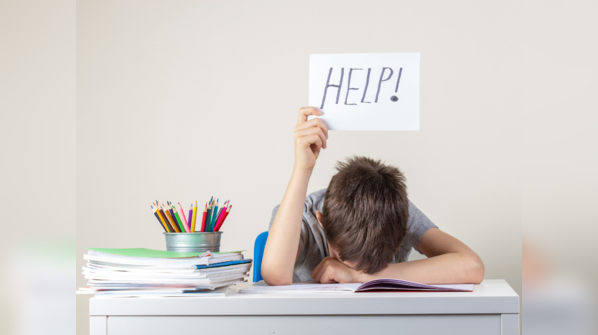
How much homework is too much for children?
Children in school are naturally curious, and their brains are like sponges, soaking up information from their surroundings. Small amounts of homework can help students retain what they have learned in class. Simple tasks like reading a short story, counting common objects, or working on imaginative art projects can be fun and instructive.

Ill effects of overburdening the child with homework
Vijay Kumar Agarwal, Child counselor, Founder, Makoons Play School says, “Having too much homework at such a young age can be harmful. School going children require plenty of free play, social interaction, and sleep time. Putting too much pressure on them academically can cause stress, frustration, and a loss of interest in learning. It may make them feel under pressure to perform academically rather than putting more effort into developing important life skills, which can impede their social and emotional growth.”

When assigning homework, parents and teachers should follow this:
1. Keep it short and sweet: Homework should only take a few minutes each day, usually no more than 10-15. This keeps learning interesting and prevents burnout.
2. Make it fun: Homework should be engaging, with games, tales, and practical exercises that reflect the child's interests.
3. Promote independence: Promote independence by letting kids finish their homework without much help from an adult. This encourages achievement and boosts confidence.
4. Maintain balance: Make sure the child has plenty of time for unstructured play, social interaction, and physical activity. These are essential for overall growth.
5. Open communication: Establish open communication between parents and teachers to ensure that homework does not cause the child undue stress.

Ideal time for homework
Finding the ideal homework load requires striking a balance. It is wise to give this age group of children homework that will only take them ten minutes or fifteen minutes at most. While a small amount of homework can support learning, too many tasks can be harmful to a child's well-being.

The takeaway
Together, parents and teachers should make sure that school going children receive age-appropriate homework that supports rather than impedes their development. By doing this, we can encourage a love of learning and give kids the resources they need to succeed both academically and emotionally.
Featured In lifestyle

MORE FROM ETIMES
life & style