
- News
- lifestyle
- parenting
- parenting-stories
- Curiosity Corner: What is the study of flags called?
Curiosity Corner: What is the study of flags called?
Curiosity Corner: What is the study of flags called?
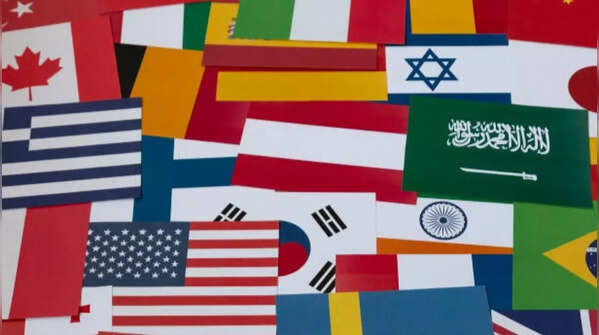
Flags represent more than just colourful objects flapping away gently in the wind; they represent the tale of history, the tale of identity, and the tale of struggle and pride. From the national icon that flies high during festive occasions to the sporting event and the historical landmark icon itself, the underlying fact is that these silently assert messages unto us. But the real query here is whether there exists an academic study related to comprehending these iconic objects of pride and how we can unravel the meaning and significance of the academic study that exists exclusively for the subject.

The study of flags is called Vexillology
The science of flags is called vexillology. This word is derived from the Latin word vexillum. It is derived because the word represented a type of flag used by the Romans. It is the science of flags of the world in relation to their design, symbolism, history, and usage. Flags are also called vexillologists for those who study them. This tells children everywhere the value of study for even mundane things like flags.
Why do flags matter so much?
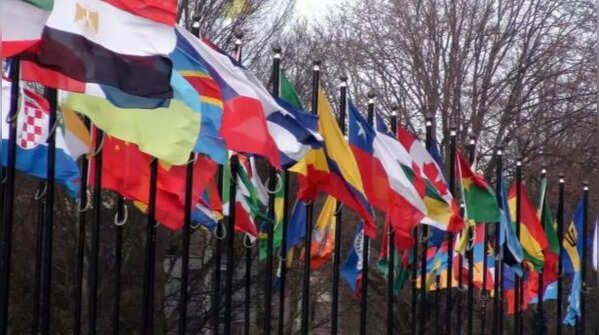
Flags are symbols that represent nations, societies, movements, and ideologies. The colours, shapes, and symbols on a flag may have stories that have been written about them. The colours may mean sacrifice or peace, while the symbols may mean unity or freedom. There are vexillologists who research how flags evoke emotions in society. It could be useful in educating the child that symbols have deeper meanings than what they may seem to be.
What do Vexillologists actually study?
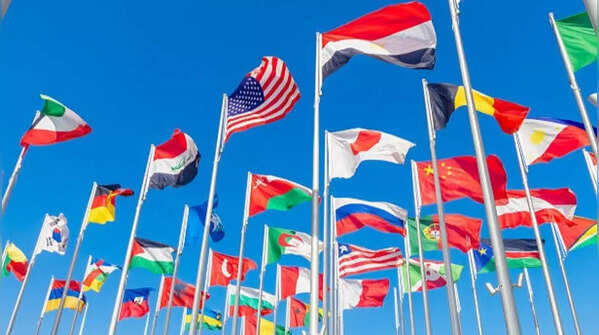
Vexillologists often investigate many areas of flags, like the way flags are being made, the way flags tend to change over the years, and even the way flags affect humans. They may want to know why certain colors tend to appear on different flags repeatedly, why certain flags endure over the centuries, and why certain flags tend to be changed. Some of them even investigate flags that schools and sports teams utilise. For young minds, this demonstrates that not everything that we might want to know from the world we see around us may be written in books.
Fun facts about flags that spark curiosity
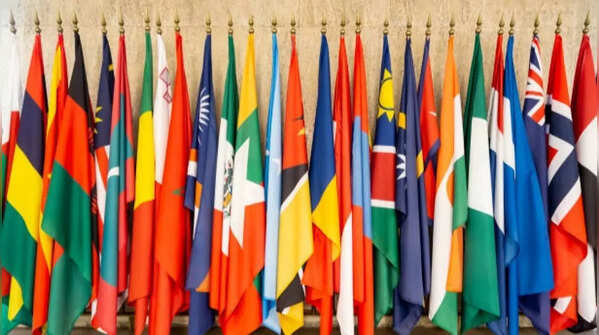
You might not be aware that some flags are actually meant to be the same, even if they are upside down. And the only non-rectangle-shaped flag is the flag of Nepal. So fascinating is the world of flags. So fascinating indeed that Vexillology is the study of the reasons behind the differences. So fascinating indeed that the opportunity to share the knowledge with children is an opportunity to remind them that the first way to learn something extraordinary is by asking the simple question: Why?
How learning about flags builds global awareness
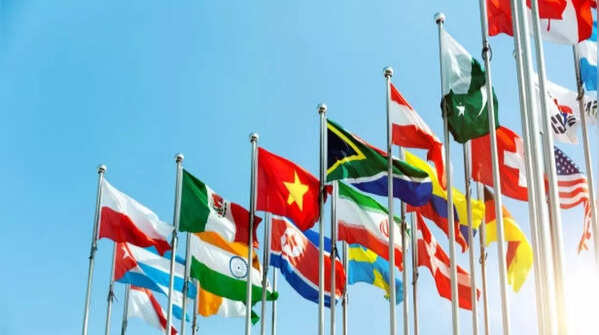
The concept of flags also lets children learn about various cultures and countries in a simple manner. The flags serve as a platform for children to discuss various historical, geographical, and cultural aspects. Vexillology helps children acquire a sense of respect for diversity, as well as understand various cultures in the world. The study of flags also lets children understand that the world is composed of various stories that go side by side, in a way that lets children look at things in a simple manner.
Featured In lifestyle

