
- News
- lifestyle
- parenting
- parenting-stories
- Are “well-behaved” children actually emotionally suppressed?
Are “well-behaved” children actually emotionally suppressed?

Are “well-behaved” children actually emotionally suppressed?
"Well-behaved" children are generally the ones who are looked upon in awe of their quiet behavior, good obedience, and willingness to abide by the rules without a murmur. Children, parents, and society at large look upon such children as disciplined, mature, and manageable. But the question that is often begged in this scenario is: Are such children emotionally well-adjusted, or are they simply suppressing their emotions to suit the norms?

What actually happens
Children learn early in life that certain behaviors result in acceptance. Acts that result in positive feedback include sitting still, listening without talking, and submitting to authority, whereas the expression of feelings like anger, sadness, frustration, or disagreement need not be shown. “Don’t cry,” “good children don’t argue,” and “stop being difficult” can be considered benign tutelage, but in its repetition, children receive the message that love, acceptance, and protection must be earned by being compliant and not by being emotionally expressive.
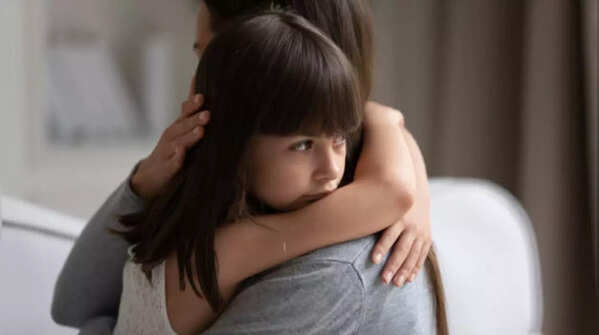
Reason behind the good behaviour
For certain children, good behavior is a matter of survival, rather than a trait of their personality. Children who grow up around the rejection, punishment, or misinterpretation of feelings find that being quiet is the key to staying out of conflict and out of trouble. They become masters at sensing what the moods of adults are, so that they can behave accordingly. The truth is, this type of child appears mature, but these children are merely taking steps to protect themselves from their feelings.
The consequences of suppressing emotions are seen during adulthood. People who have been praised as "good" children may have difficulty voicing their needs or expressing themselves during conflict. They can suffer from those things mentioned in the anxiety category: anxiety, self-doubt, emotional numbing, or burnout. They have likely developed the attitudes of caring about other people instead of caring about themselves in the sense that their value has been in meeting other people’s needs.
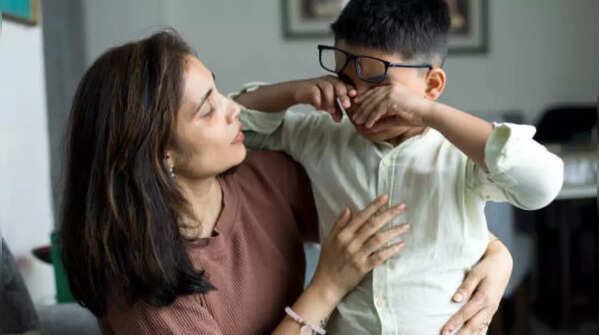
Understanding their emotions
Looking only at well-behaved children may lead to misunderstandings. Just because a child challenges authority, acts out of frustration, and displays strong emotions, this does not mean that child behaves mischievously. Just the opposite, because emotionally sound children are those that feel secure enough to display their emotions, whether these emotions are inconvenient to parents.
Effective parenting will not mean no rules and discipline for the child. It will mean hearing the child out before correcting him; trying to find out the motive for the behavior shown by the child; and giving the child room to ventilate his emotions without causing any embarrassment to the child because of those emotions. It is much more helpful to teach the child to express emotions in a respectful manner rather than not to feel any emotions at all.
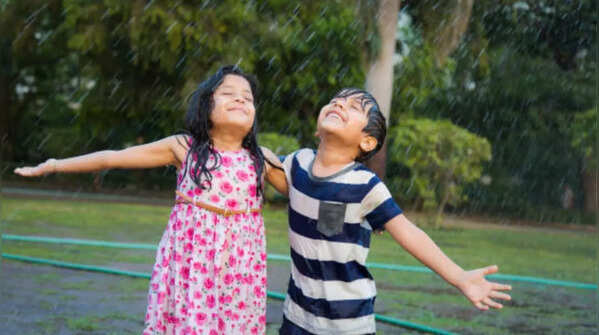
Reconsider how we define “well-behaved.”
Maybe the time has come to reconsider how we define “well-behaved.” It is time to replace a definition involving silence and compliance with one involving emotional intelligence, authenticity, and expressing a boundary in a manner that is respectfully communicated. Truly, a well-adjusted child is one who is not uncomfortable-free, but who is comfortable enough to be themselves.

Emotions being suppressed
Ultimately, not all well-behaved children are emotionally repressed, but many are. If raising easily controlled children is considered more desirable than raising emotionally honest ones, then emotionally repressed individuals can grow up to be highly successful on one level, emotionally distressed on another, and entirely disconnected on a third. The ultimate point of parenting should be to raise emotionally liberated, assured, and authentically attuned individuals, not merely well-behaved ones.
Featured In lifestyle

